How QR Codes Simplify Lead Generation for Businesses
Why QR codes accelerate lead capture
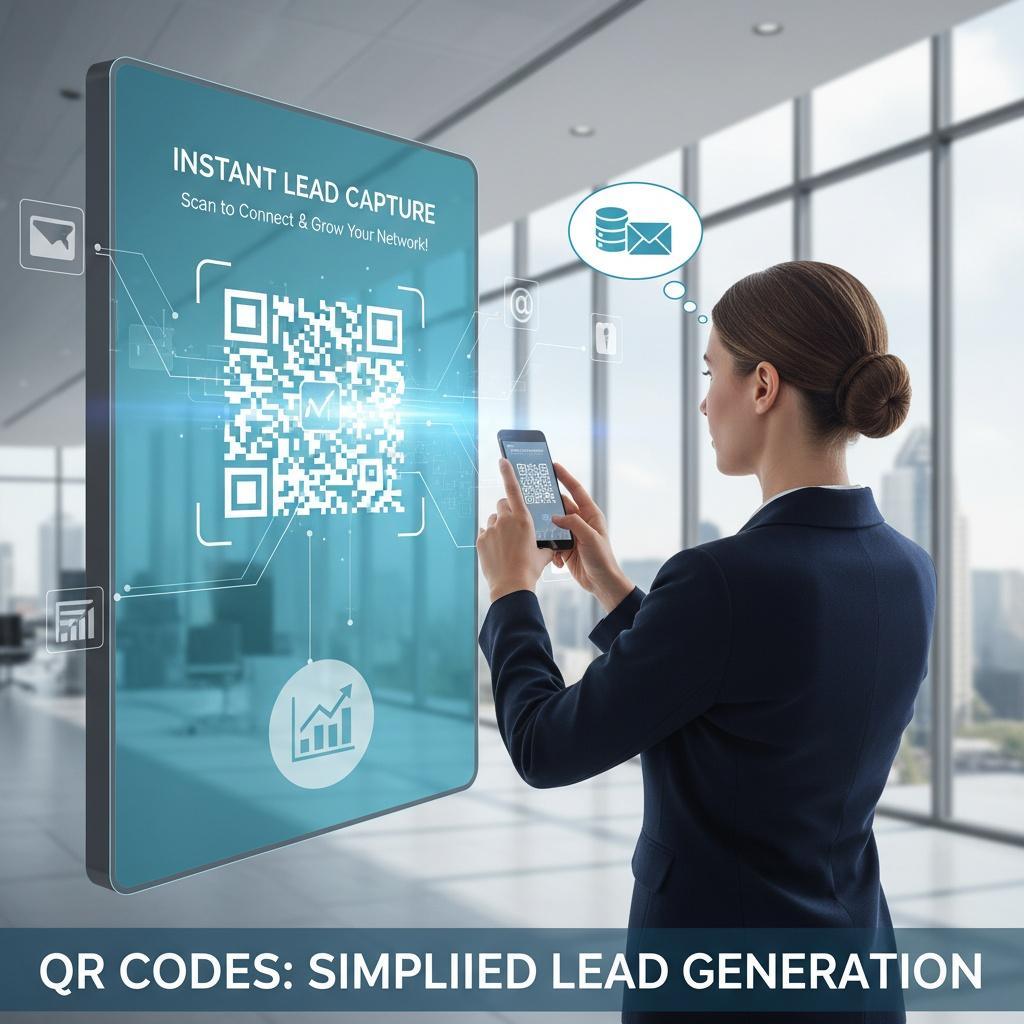
QR codes turn real-world attention into digital action with almost zero friction, making them ideal for lead generation. A quick scan moves prospects from print, packaging, events, or out-of-home to a targeted landing page, eliminating typing and navigation drop-off. For companies prioritizing QR codes in business, this low-cost, high-speed bridge supports modern marketing strategies that favor immediacy and measurable engagement. Whether the goal is newsletter signup, demo request, coupon claim, or content download, a QR-powered journey streamlines the path to conversion while capturing rich intent signals along the way.
From scan to CRM in seconds
High-performing teams map each QR scan directly to their lead-capture flow: dynamic code points to a mobile-optimized landing page, a short form prefilled where possible, clear value exchange, and a one-tap follow-up channel (email, SMS, or WhatsApp). Progressive profiling keeps forms lean on first touch and expands later. With proper UTM tagging, each scan attributes to campaign, creative, and placement. The result is an automated pipeline where scans create contacts, trigger scoring and routing rules, and sync to CRM—an elegant example of practical digital transformation tools that compress time-to-lead and increase data quality.
First-party data in a cookieless world
As third-party cookies fade, QR codes enable consent-first collection of first-party data without relying on invasive tracking. Dynamic codes let marketers personalize destination content, rotate offers, and localize experiences while maintaining a single printable asset. Pair this with clear consent, a preference center, and transparent value exchange to build trust. For inspiration on connecting scans to personalized experiences, see HubSpot’s research-backed perspective in its eBook on connecting QR codes with consumers, which showcases how retail and product brands translate scans into rich relationships.
Proven use cases across the buyer journey
QR codes shine across awareness, consideration, and decision stages. On packaging: warranty registration, how-to videos, or upsell bundles. On print ads: gated guides or calculators for precise audience capture. On invoices and receipts: loyalty enrollment. In B2B mailers: demo booking tied to territory routing. The common thread is intent-rich micro-moments converted into qualified leads. For tactical ideas across channels, review HubSpot’s practical playbook, ways to generate leads with QR codes, and adapt use cases to your industry and ICP.
Events and field marketing
At conferences and roadshows, QR codes reduce booth bottlenecks and standardize data capture. Use one code for quick badge scans tied to a form, another for instant content access (slides, case studies), and a third for scheduling a meeting. Each code should route to a distinct destination and CRM campaign for clear attribution. Incorporate lead scoring (job title, buying role, timeframe) and automate follow-up sequences by session or topic. The outcome: fewer lost business cards, faster SDR outreach, and a cleaner link between field spend and pipeline.
Retail and OOH to online conversion
In retail, signage and shelf talkers can guide shoppers to product pages, reviews, and limited-time offers, capturing opted-in leads at the point of consideration. For a comprehensive overview of tactics and operational best practices, Shopify’s guide to QR codes in retail covers how merchants use scans to boost engagement, streamline service, and attribute revenue. Similar logic applies to out-of-home: tailor codes per location and creative, then compare scan-to-lead rates to identify high-performing placements and messages.
Making QR-driven funnels measurable
Treat every QR as a trackable doorway. Add UTM parameters to distinguish creative, channel, placement, and audience; enable server-side events to improve analytics quality; measure scan-to-visit, form completion, MQL rate, and pipeline created. A/B test CTAs (“Get the guide” vs. “See pricing”), incentives (discount vs. exclusive content), and page layouts to raise conversion. On the technical side, use dynamic short URLs, appropriate error correction, high contrast and sufficient quiet zone, and print sizes aligned to scan distance. Together, these details compound into reliable, scalable performance.
Implementation checklist for modern marketing teams
Define a single conversion goal per QR and match it to a compelling value exchange; use dynamic QR codes to keep printed assets evergreen; route scans to channel-specific pages with consistent branding; minimize form fields and enable progressive profiling; tag everything with UTMs and pass source data to CRM; automate scoring, routing, and follow-ups by campaign; monitor funnel metrics weekly and iterate; for playbooks and examples, reference HubSpot’s lead-generation strategies using QR codes and deepen retail execution with Shopify’s retail-focused QR best practices. Done well, QR codes in business become a simple, always-on growth engine.