How Event Organizers Use QR Codes for Ticketing
From Static Codes to Secure Mobile Entry
What QR-powered ticketing actually does
QR code ticketing replaces paper stubs with a unique, scannable token tied to a buyer’s identity and order. For attendees, it’s as simple as opening a mobile ticket or adding a pass to Apple or Google Wallet; for organizers, it’s a reliable digital transformation tool that streamlines access control and reduces fraud. Major platforms like Ticketmaster’s mobile tickets overview explain how dynamic codes and wallet passes ensure real-time validation at the gate, making QR codes in business a practical foundation for modern admission workflows.
Frictionless arrivals and staff workflows
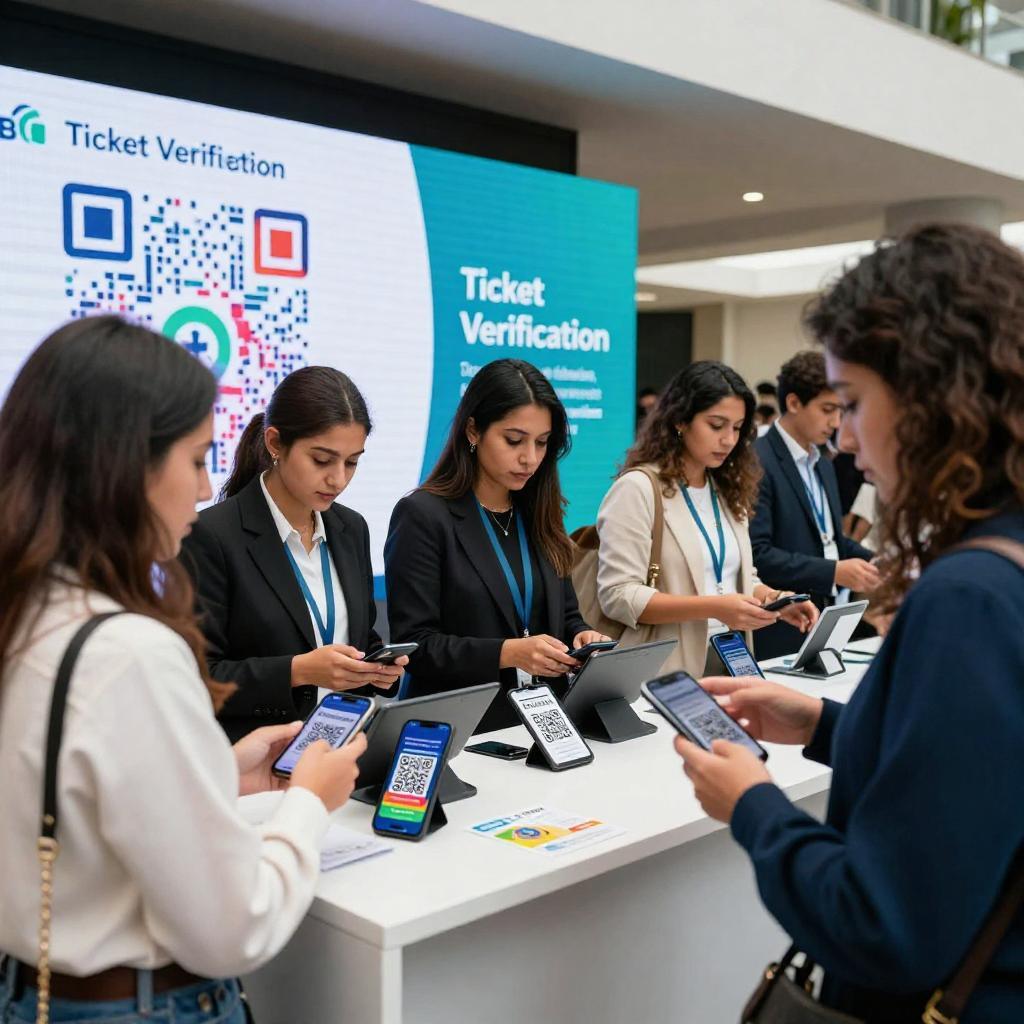
On event day, QR codes enable fast, contactless check-in. Staff can scan using dedicated handhelds or smartphone apps that sync with the ticketing platform to validate entries, handle partial party arrivals, and flag transfers instantly. Tools such as Eventbrite’s organizer app for QR-based check-in illustrate how line-busting, offline scanning, and live attendance dashboards reduce bottlenecks and improve the guest experience—while giving teams operational visibility they never had with paper tickets.
Beyond entry: marketing and on-site commerce
Because every scan is a data point, QR tickets power modern marketing strategies from the moment a buyer commits. Organizers can link QR codes to upsells (parking, merch, VIP lounges), trigger personalized messages post-scan, and reconcile onsite spend with attendance to see true customer value. On the ground, QR signage supports cashless concessions and sponsor activations, while post-event QR surveys capture VoC feedback that guides programming, pricing, and retention—extending the impact of QR codes well beyond the gate.
Operational Best Practices for QR-Based Admission
Speed, accessibility, and contingency planning
Designing entry for speed starts with clear lane logic (mobile wallet, standard QR, customer service), visible prep signage (“brighten your screen, open wallet”), and roving staff to assist. Capacity modeling ensures the right scanners per lane and buffer zones to eliminate choke points. As a digital transformation tool, QR ticketing also benefits from redundancy—portable power, local network backups, and an offline mode plan. For a strategic view on throughput and fan experience, see the Ticketmaster Business analysis of digital ticketing.
Security and fraud mitigation
Modern QR systems counter common risks with rotating or session-based barcodes, cryptographic signing of wallet passes, and real-time invalidation once a code is scanned. One-time tokens reduce screenshot sharing; device binding and account ownership checks deter resale scams. For high-stakes events, geofencing and time windows add another layer. The result is a materially lower fraud surface than static PDFs—while maintaining the convenience fans expect.
Measure what matters
QR ticketing unlocks granular metrics that help organizers tune both operations and revenue: scan times by entry, no-show rates by segment, wallet adoption, and conversion from pre-event emails to on-site purchases. Campaign-specific QR codes and UTMs reveal which channels drive attendance, enabling smarter media allocation and partner reporting. For practical tactics, reference Eventbrite’s guide to using QR codes for events, and adapt it to your analytics stack for clear attribution of QR codes in business contexts.
Cost and ROI modeling should account for reduced printing/shipping, faster ingress (lower labor hours per entry), diminished fraud, and incremental revenue from QR-triggered upsells. When framed as an end-to-end customer journey—discovery, purchase, arrival, spend, re-engagement—QR ticketing emerges as both an operational lever and a modern marketing strategy that compounds value across the event lifecycle.
In the end, QR codes for ticketing are less about the square and more about the system: secure identity, fast validation, actionable data, and flexible experiences. Event organizers that design for speed, measure relentlessly, and connect scans to outcomes won’t just move lines—they’ll move the needle on loyalty and profit. That’s the main takeaway: treat QR ticketing as a strategic platform, and it becomes one of your most effective digital transformation tools.