DSCSA Compliance: QR Codes in Pharmaceutical Supply Chains
Why DSCSA Matters Now
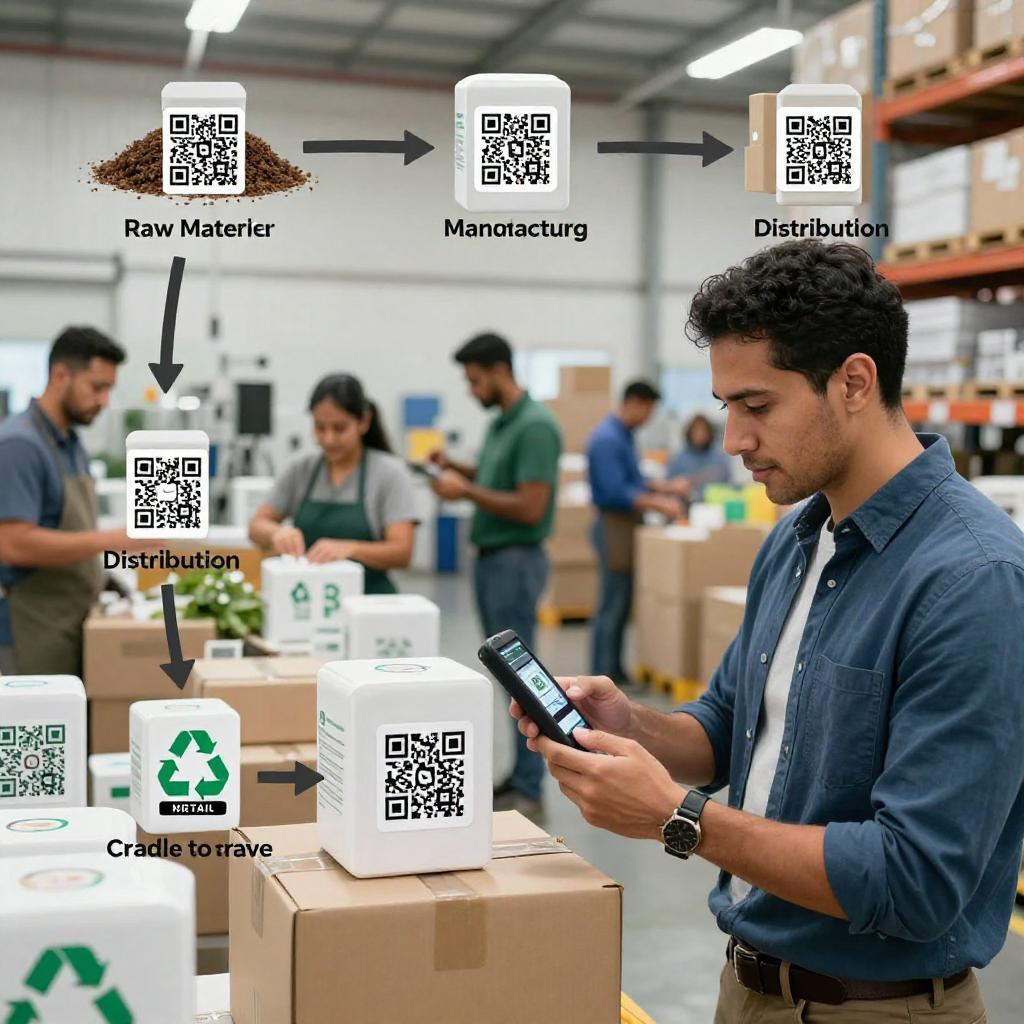
The Drug Supply Chain Security Act (DSCSA) is reshaping how prescription medicines move from manufacturer to patient by mandating interoperable, electronic traceability and serialized product identification. For business leaders, this is more than a regulatory checkbox—it’s a catalyst for adopting digital transformation tools that harden supply chain integrity, reduce counterfeit risk, and streamline recalls. It also opens the door for smarter packaging strategies that leverage QR codes in business for patient engagement and modern marketing strategies, provided they’re implemented alongside DSCSA’s technical requirements.
The product identifier at the package level
At the core of DSCSA is the product identifier: a machine- and human-readable set of data that includes the National Drug Code (as part of a GTIN), serial number, lot number, and expiration date. For packages, DSCSA specifies a 2D DataMatrix barcode as the machine-readable carrier—QR codes alone do not satisfy this requirement. The FDA’s official guidance on DSCSA product identifiers and 2D DataMatrix requirements explains how these data elements must be encoded to enable serialized verification and seamless handoffs across the supply chain.
QR codes versus 2D Data Matrix: what’s the difference?
QR codes and Data Matrix are both two-dimensional symbols, but DSCSA requires the GS1 DataMatrix symbology for packages because it reliably encodes the standardized identifiers used in traceability (e.g., GTIN, serial, lot, expiration) via GS1 Application Identifiers. QR codes remain valuable for non-regulatory use cases such as patient-facing information, digital leaflets, or support resources. For clarity on barcode standards used in healthcare packaging, the CDC/FDA overview of DSCSA 2D barcode standards for vaccines illustrates how 2D barcodes underpin accurate data capture and interoperability.
Turning Compliance Into Competitive Advantage
Compliance can double as a growth lever. A dual-symbol approach—maintaining a DSCSA-compliant GS1 DataMatrix for supply chain needs and adding a separate QR code for patient engagement—lets brands merge operational resilience with modern marketing strategies. Think medication onboarding videos, refill sign-ups, adherence tips, and pharmacovigilance reporting, all triggered by a consumer-facing QR. This approach keeps scanners and workflows clean for compliance while using QR codes in business to unlock differentiated experiences and measurable outcomes.
A pragmatic implementation playbook
Success depends on getting both data and operations right. Prioritize master data governance (GTIN assignment and change control), packaging line upgrades for high-fidelity print-and-verify, and EPCIS-based event sharing with partners. Pilot with top trading partners to pressure-test exception handling, verification responses, and recall readiness. The FDA DSCSA Pilot Project Program report on serialization and traceability highlights real-world lessons around interoperability, data accuracy, and process maturity that can de-risk go-lives and reduce downstream friction.
Data quality, exceptions, and investigations
Serialization data is only as strong as your exception handling. Put controls in place for bad reads, label damage, mixed lots, and shipment discrepancies, and formalize SOPs for suspect or illegitimate product investigations. Aligning your workflows with the FDA’s Drug Supply Chain Security Act resource center ensures your verification, quarantine, and notification processes are audit-ready and fully traceable across partners and systems.
Looking Ahead
The next phase of DSCSA emphasizes end-to-end interoperability, but it also signals a broader shift: packaging is becoming a digital touchpoint. Expect more brands to pair DSCSA-compliant DataMatrix barcodes with consumer-facing QR codes that drive digital transformation tools—dynamic instructions, language localization, and support that evolves over the product’s life. Those who align compliance architecture with customer experience design will enjoy faster issue resolution, lower recall costs, and richer real-world evidence.
Conclusion
The takeaway is simple: treat DSCSA compliance and QR innovation as complementary, not competing. Use a GS1 DataMatrix to meet the letter of the law, and add a separate QR strategy to elevate engagement, insights, and brand trust. When executed together—grounded in strong data governance and partner interoperability—pharma companies turn a regulatory mandate into a resilient supply chain, actionable intelligence, and modern marketing strategies that set them apart.