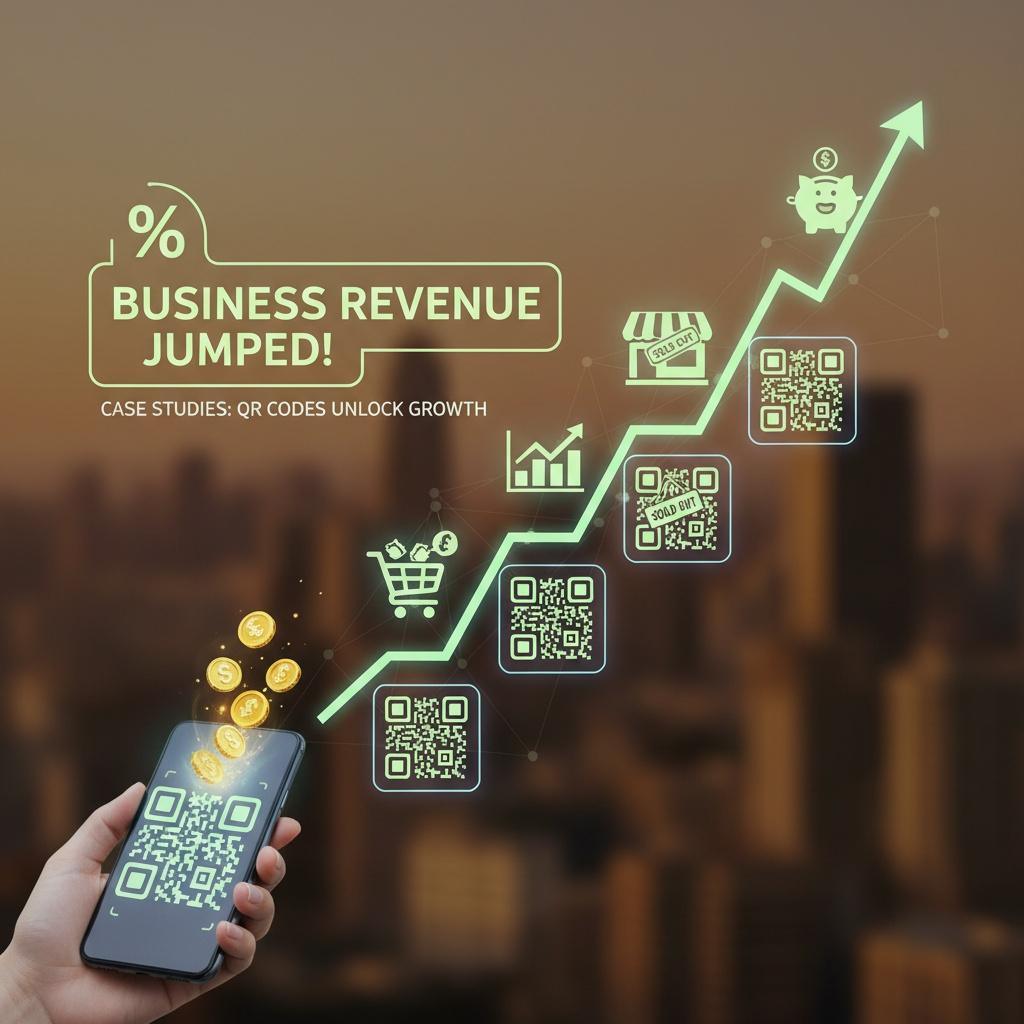
Case Studies: How QR Codes Increased Business Revenue
QR codes in business have evolved from novelty to necessity, accelerating offline-to-online journeys and converting curiosity into measurable revenue. As digital transformation tools, they bridge physical touchpoints with modern marketing strategies, helping brands cut acquisition costs, grow basket size, and attribute sales that previously went untracked.
From scanning to spending: the QR revenue mechanism
When executed well, QR flows shorten the path to value: a scan opens the right experience (app install, product detail, offer, payment), the next step is frictionless, and the outcome is attributable. Revenue lifts typically come from three levers—more conversions (higher scan-to-action rate), higher average order value (contextual offers and bundles), and better retention (persistent profiles, loyalty, and remarketing)—all tied back to unique QR journeys.
Case studies that moved the needle
Retail app-to-store conversions: Max Fashion
According to the Branch case study on Max Fashion’s QR-driven campaigns, the retailer reported a 92% surge in app installs and an 85% increase in orders after instrumenting dynamic QR codes across channels. By using deep links and channel-specific codes, Max Fashion reduced customer acquisition costs and converted store traffic into app users who purchased more often—clear evidence that QR-led journeys can translate directly into revenue.
Lead capture that becomes revenue: MDL Marinas
In a practical example of conversion-focused design, Target Internet’s case study on MDL Marinas shows QR codes capturing 900 qualified signups that fed a nurture sequence, event attendance, and downstream sales. The win wasn’t just volume; it was cost-effective list growth with clear attribution—scans tied to email engagement and purchases—turning physical signage into a predictable revenue funnel.
On‑pack experiences that sell: consumer goods
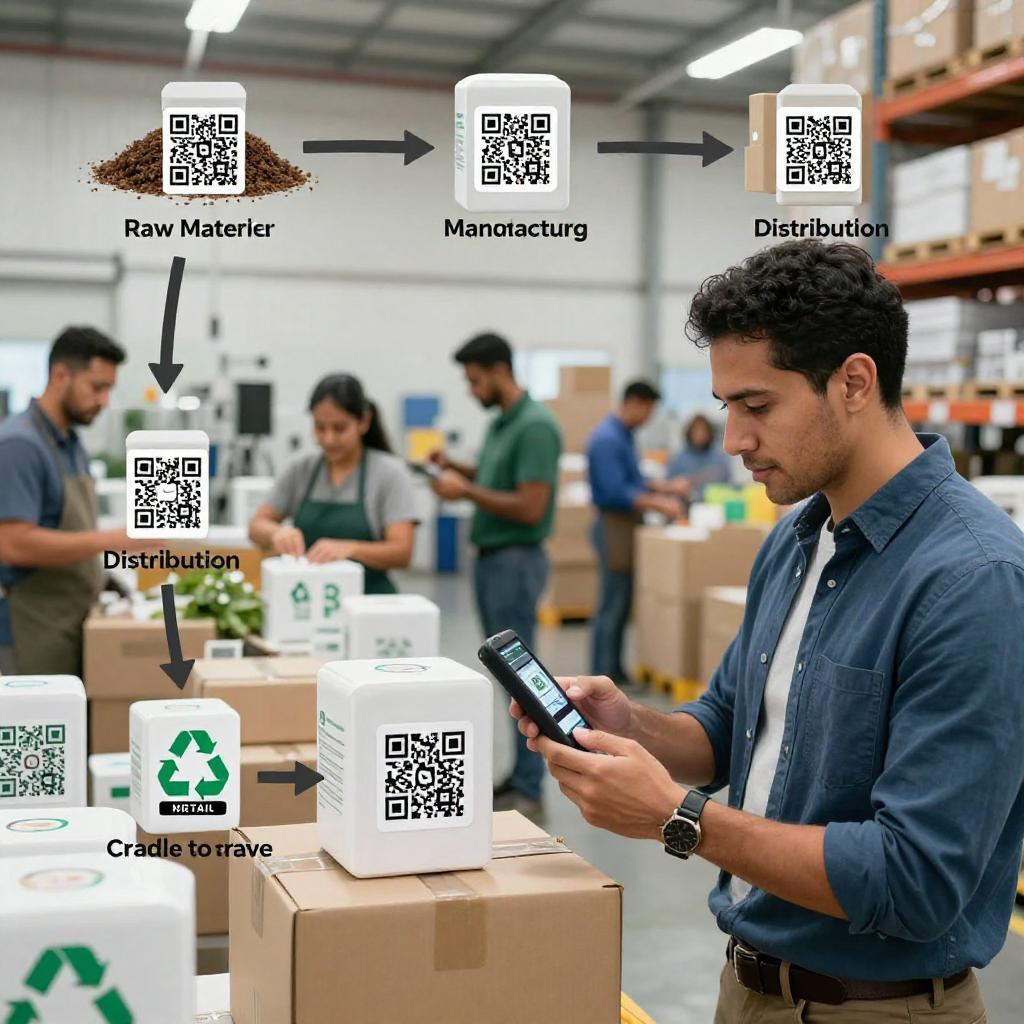
GS1 UK highlights multiple real-world examples where on‑pack QR codes deliver compliant product data, recipes, and promotions that spur purchase and loyalty. Their overview, QR codes in action: customer‑first innovation, shows how standardised identifiers combined with scannable packaging move consumers from shelf to a richer brand experience—improving trust, reducing returns, and nudging immediate and repeat sales.
Execution playbook for QR codes in business
Operational integration and customer experience
The highest ROI comes when QR codes are part of the journey—not an afterthought. As noted by Scanbuy’s roundup of enterprise use cases, major brands including Walmart and Kellogg employed QR codes to drive contactless engagement and sales across in‑store media and packaging; see how enterprise retailers optimized QR for consumer engagement and sales. Best practices: clear value props next to codes, staff prompts, codes placed at decision points, mobile‑first landing pages, and seamless fulfillment (buy online, pick up in store).
Measurement and ROI design
Treat QR codes like any performance channel: use unique codes per placement, deep link to the correct screen, tag with UTMs, and track scan-to-conversion and incremental revenue against a holdout. Tie scans to profiles (with consent) for retargeting, and A/B test incentives to lift scan-through and purchase rates. For modern marketing strategies, combine QR with loyalty IDs and payment links to attribute offline influence, forecast lifetime value, and justify scaled investment.
The bottom line
The evidence is clear: when QR codes are strategically designed, contextually placed, and rigorously measured, they become high-ROI digital transformation tools that convert real-world curiosity into attributable revenue. Start with one high-intent use case, instrument it end-to-end, and scale what works—because the businesses winning with QR today are the ones turning every scan into a smarter, faster path to purchase.