Carbon Footprint Transparency: QR Codes for ESG Reporting
Carbon reporting is moving from static PDFs to real-time, product-level transparency—and QR codes are the bridge. As QR codes in business become ubiquitous on packaging, receipts, and invoices, they are evolving from simple shortcuts into digital transformation tools that connect customers, auditors, and partners to verified environmental data. For executives shaping modern marketing strategies and ESG roadmaps, the question is no longer whether to use QR, but how to deploy it to deliver investor-grade disclosures and customer-grade experiences.
Why QR codes are becoming the front door to ESG data
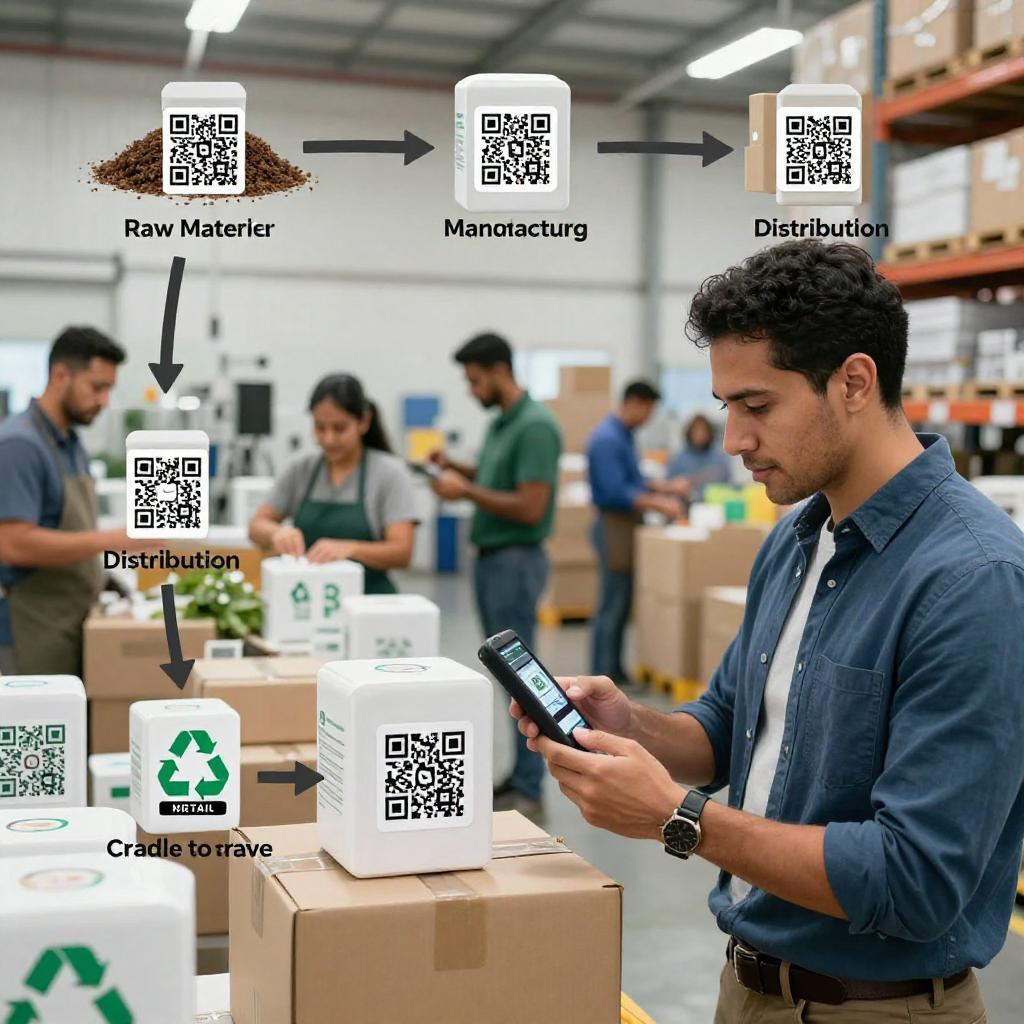
QR-linked sustainability profiles turn every product into a living disclosure. A single scan can route stakeholders to a digital passport that shows carbon intensity, materials, sourcing, and end-of-life guidance—updated as new data arrives. This approach aligns with the European Commission’s vision for connected sustainability data through the Digital Product Passport initiative, which anticipates scannable identifiers providing standardized, product-level environmental information across the EU market.
From static labels to dynamic product passports
Traditional labels can’t keep pace with dynamic supply chains, supplier changes, or methodological updates. QR codes solve that by pointing to a canonical product record that is always current. Instead of printing new packaging, brands update the cloud record—maintaining consistency while complying with new regulations and continuously improving the customer experience.
Real-time context beats PDF repositories
Beyond transparency, QR-driven ESG disclosures add context at the moment of need: location-specific end-of-life instructions, version-controlled carbon factors, SKU-level variance, and time-bound attribution. These enhancements reduce user friction, increase trust, and support data re-use across compliance, procurement, and customer channels.
Standards and regulations shaping the QR-enabled ESG stack
Interoperability is the difference between a clever pilot and an enterprise-grade program. The GS1 Digital Link standard enables QR codes to resolve to structured product data, ensuring scanners—from consumer phones to warehouse systems—retrieve consistent identifiers and attributes. Pairing this with robust metadata, API governance, and consent controls ensures that ESG content can travel securely across partners and platforms.
Aligning disclosures with investor-grade rules
Regulators are signaling higher expectations for decision-useful, comparable climate information. In the U.S., the SEC’s climate-related disclosure rule emphasizes material, standardized reporting for investors. While a QR code doesn’t replace filings, it can operationalize the same data model at the product edge—linking portfolio-level disclosures to SKU-level reality and evidentiary trails.
Turning compliance into competitive advantage
A practical 90-day rollout can start with a priority product line: define the carbon data model (Scope 1–3 boundaries, allocation, and time frames), connect primary supplier data, and implement centralized calculations aligned to the GHG Protocol Product Life Cycle Accounting and Reporting Standard. Generate versioned URLs, embed them in branded QR codes, and publish scannable pages that blend methodology, numbers, and narrative. Add analytics to capture scan rate, geography, and referral source to guide iterative improvements.
A practical rollout roadmap for 90 days
Weeks 1–3: inventory SKUs, confirm identifiers, and map data sources; Weeks 4–6: build the calculation engine and draft governance (approval workflow, audit logs, and archival policies); Weeks 7–9: pilot packaging and customer journeys; Weeks 10–12: enable dynamic updates, train teams, and formalize escalation paths for data challenges. Treat the QR destination as a living product with release notes, version history, and stakeholder feedback loops.
From compliance to modern marketing and customer experience
QR-linked ESG data does more than satisfy auditors; it powers modern marketing strategies. Brands can personalize stories by region, surface credible third-party assurances, and A/B test narratives to improve trust and conversion. As digital transformation tools, QR codes reduce packaging clutter while increasing message depth, creating measurable engagement at moments of truth. For leaders exploring QR codes in business, this is the convergence of sustainability, product analytics, and revenue enablement.
Final takeaway
The path forward is clear: make every product scan a moment of verified clarity. By combining interoperable QR standards, regulator-aligned methodologies, and user-centric design, companies can turn ESG reporting into a strategic asset—one that builds trust, simplifies compliance, and differentiates in the market. Start small, measure fast, and scale what resonates; transparency isn’t just the right thing to do—it’s the smartest way to grow.