Blockchain-Verified QR Codes: Immutable Product Authentication
What Are Blockchain-Verified QR Codes?
Blockchain-verified QR codes transform familiar packaging squares into tamper-evident product passports. Instead of QR codes merely pointing to a web page, each code is cryptographically bound to a product’s master data and authenticity record on a distributed ledger. For QR codes in business, this shift elevates them from basic convenience labels to trustworthy digital transformation tools that deter counterfeits, streamline recalls, and unlock post-purchase experiences that build loyalty and transparency.
How the Verification Flow Works
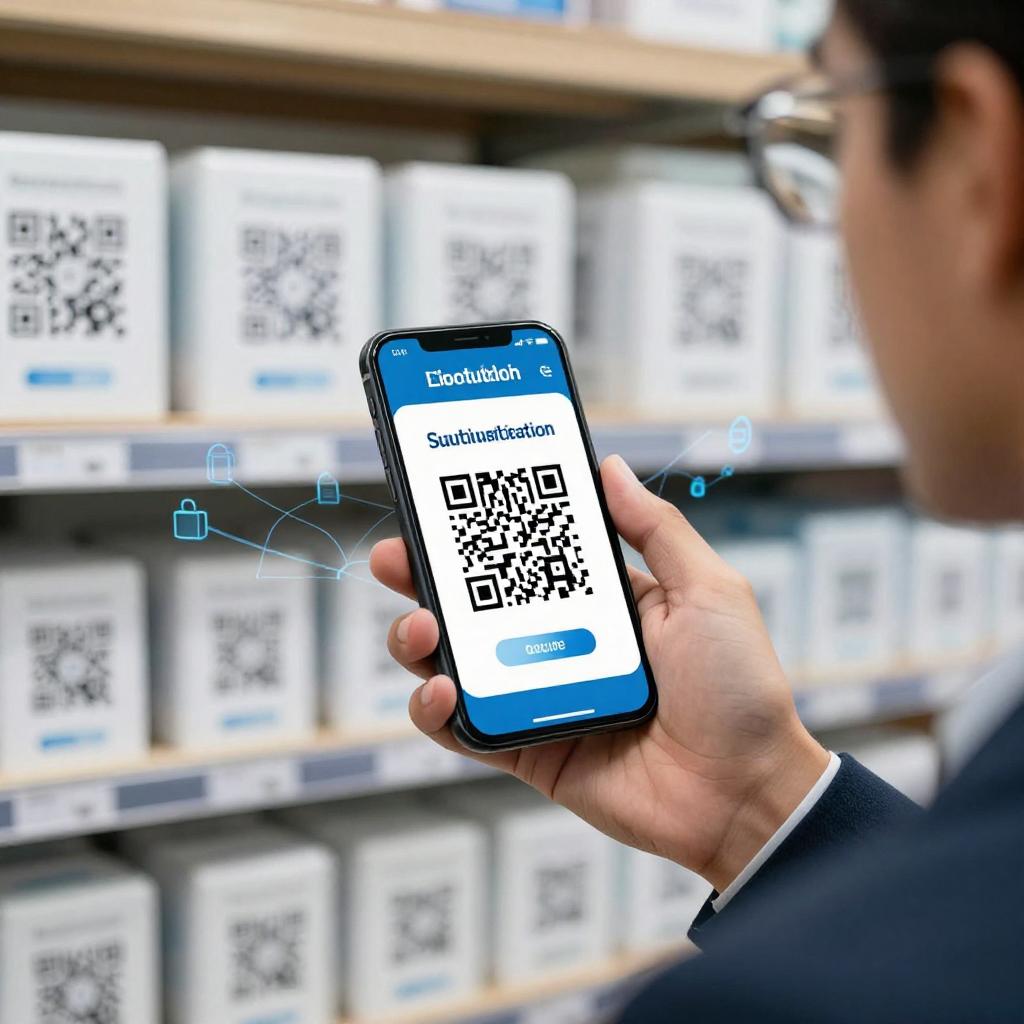
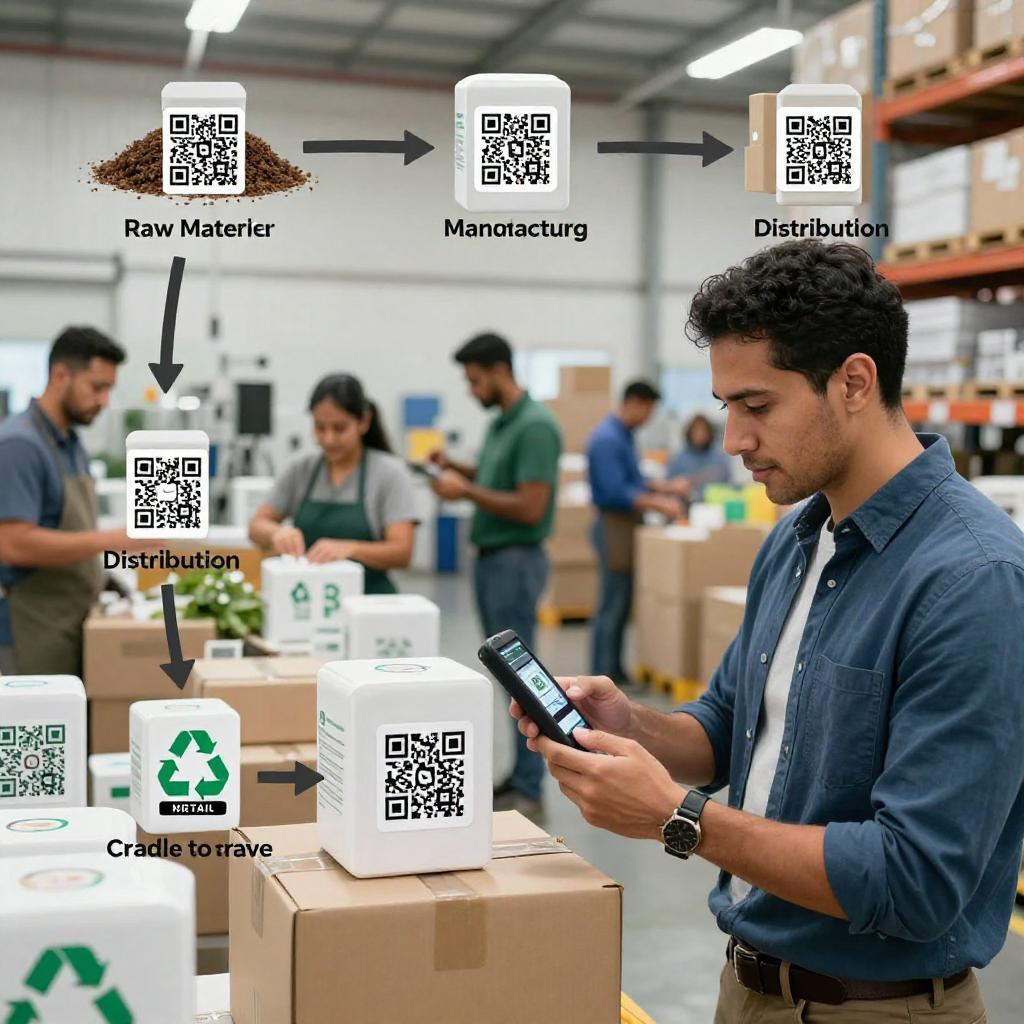
At serialization, a unique product identifier (e.g., GTIN plus batch/serial) is generated and encoded into a QR that can be resolved by compliant scanners. A corresponding product record or hash is anchored on-chain, and optional smart contracts define rules for ownership transfer, warranty activation, or returns. When a customer or partner scans the QR, the app checks the code’s integrity and current state against the ledger before displaying provenance, status, and safety information. This turns every scan into a trust event—verifying origin, detecting duplicates, and capturing context for supply chain intelligence.
Why Immutability Changes the Trust Equation
Traditional databases are excellent for speed but can be silently altered; a blockchain’s append-only model creates an auditable trail of changes. The NIST blockchain technology overview explains how consensus and cryptographic hashing make past entries effectively immutable. For brand protection, that means authenticity evidence isn’t just a corporate claim—it’s independently verifiable data. This not only reduces fraud but also shifts consumer perception from “trust us” to “verify it,” a critical upgrade for modern marketing strategies built on transparency.
Business Use Cases and Open Standards
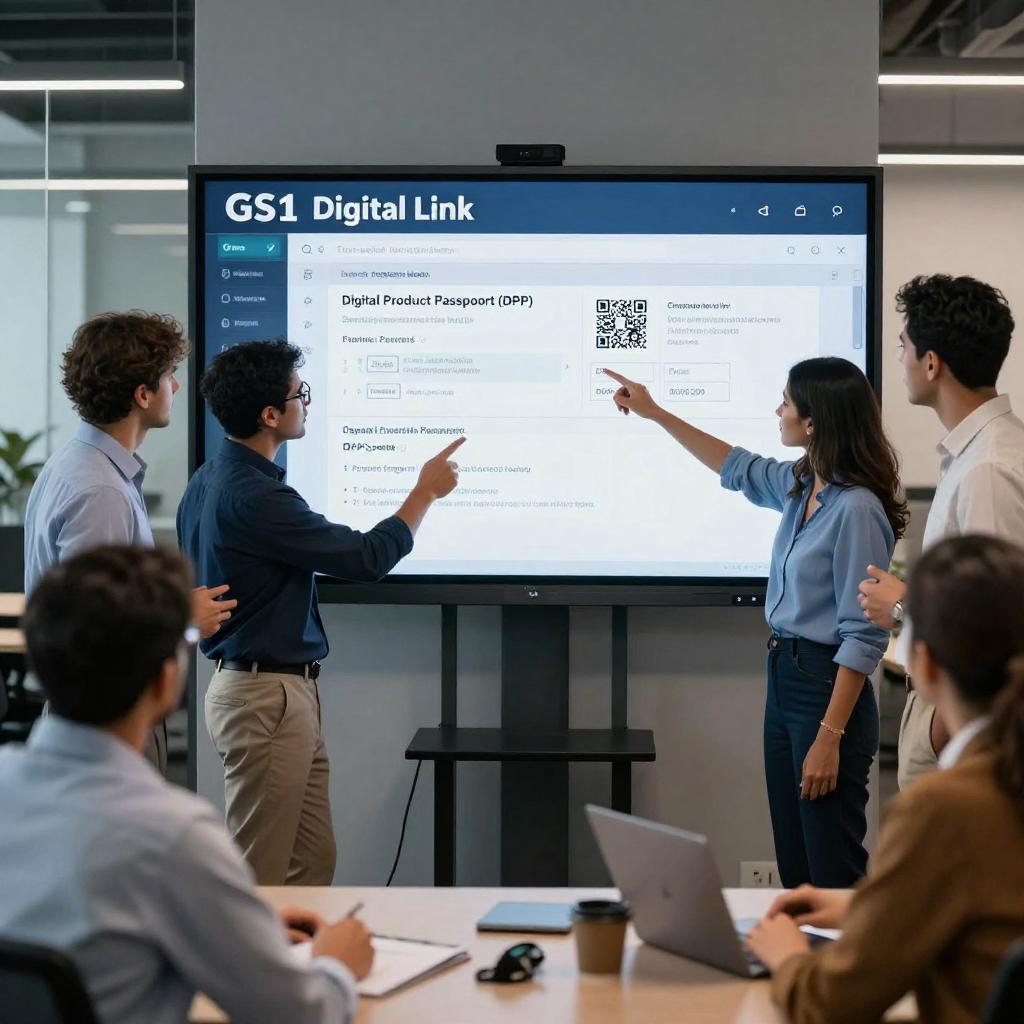
Luxury goods, electronics, wine and spirits, and pharmaceuticals benefit first because counterfeit risk is high and margins can fund verification. However, consumer packaged goods, apparel, and automotive parts increasingly deploy item-level QR to power both compliance and engagement. The GS1 Digital Link standard connects globally unique product identifiers to web resources (e.g., manuals, recycling, safety notices). When combined with blockchain anchoring, Digital Link turns every code into a living product record that bridges physical goods and digital services across the lifecycle.
Regulatory Momentum in Safety-Critical Sectors
Regulators are pushing the market toward scannable, data-rich packaging. In the United States, the FDA guidance on DSCSA enhanced drug distribution security underscores traceability, product identifiers, and interoperable verification—accelerating the adoption of 2D codes for medicines. Similar momentum exists globally, encouraging interoperability and real-time verification. Blockchain-verified QR codes complement these mandates, providing tamper-resistance and auditability while supporting faster investigations, targeted recalls, and fewer diversion incidents.
Modern Marketing and Post-Purchase Engagement
Once authenticity is verified, brands can use the same scan to deliver dynamic value—personalized tips, usage tutorials, access to warranties, and loyalty rewards. This merges brand protection with modern marketing strategies: verified ownership gates premium content, and privacy-safe, zero-party data from opt-in scans fuels better segmentation. For operations leaders, each scan reveals where, how, and by whom a product is verified, turning QR codes in business into conversion and retention engines rather than just anti-counterfeit stickers.
Implementation Roadmap and Success Metrics
Start by aligning on standards and data models, then select ledger infrastructure and define smart contract logic for authenticity, state transitions, and event logging. Ensure labels follow the GS1 QR Code and GS1 DataMatrix 2D barcode specifications and contain robust error correction for real-world scanning. Integrate verification into ERP/WMS and customer apps, and harden key management for signing events. Track KPIs such as scan-to-verify rate, duplicate-scan anomalies, counterfeit interception, warranty activations, and uplift in repeat purchases—proof that digital transformation tools can secure products and drive measurable growth.
Conclusion
Blockchain-verified QR codes deliver immutable proof of authenticity while unlocking richer customer journeys—an elegant combination of security and engagement. By pairing open standards like GS1 Digital Link with an auditable ledger and thoughtful UX, brands can outpace counterfeiters, simplify compliance, and turn every scan into a moment of trust. The takeaway is simple: make packaging the gateway to verifiable truth and value, and you elevate both brand protection and the bottom line.