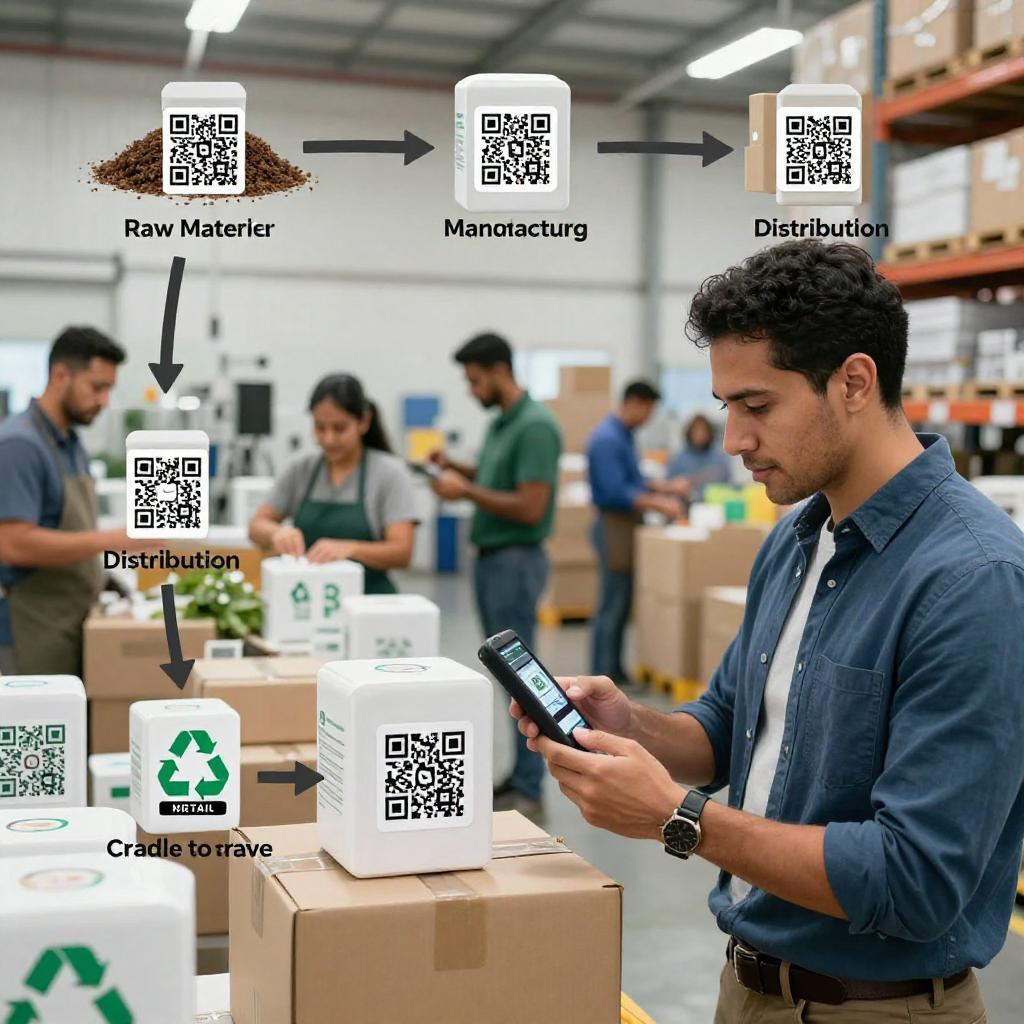
Battery Passport Implementation: QR Codes for EU Compliance
What the EU Battery Passport Requires
The EU’s Batteries Regulation sets a definitive path toward digital product transparency: by February 2027, eligible batteries placed on the EU market must carry a scannable QR code that unlocks a digital battery passport. This passport centralizes identification, sustainability, and lifecycle data for EV, LMT, and large industrial batteries, elevating compliance and customer trust. For a concise policy view, see the UL Solutions overview of Regulation (EU) 2023/1542 at EU battery regulation insights by UL Solutions.
Scope, timeline, and access levels
Expect phased requirements culminating in mandatory QR-enabled passports from 2027, with role-based access that distinguishes information visible to the public, authorities, and operators with legitimate interest (e.g., recyclers, repairers). The objective is traceability and circularity without oversharing sensitive data. A useful reference summarizing the scope and timing is the UNECE briefing on the EU Batteries Regulation.
Why QR codes are the linchpin
QR codes turn static labels into dynamic data portals, linking each physical battery to a maintained digital record. When designed to GS1 standards, they scale across supply chains, point-of-sale, and consumer touchpoints—making them powerful QR codes in business that serve compliance and modern marketing strategies. For the technical foundation, explore the GS1 Digital Link standard for QR codes, which unifies identification and web connectivity.
Standards that make it work
GS1 Digital Link lets brands encode identifiers (e.g., GTIN, serials) and route scanners to context-aware destinations—service technicians see maintenance data, consumers see sustainability and safety information, and customs officials access compliance proofs. This is a pragmatic digital transformation tool: one code, many journeys, governed by permissions and robust redirect rules.
Beyond compliance: value for QR codes in business
Forward-looking leaders treat the passport as a growth asset, not a reporting burden. Scannable packaging fuels modern marketing strategies—think authenticated warranties, opt-in service reminders, and localized recycling guidance—while analytics from scan events inform product improvement. The same QR code doubles as customer support, recall management, and anti-counterfeit infrastructure.
Building a battery passport program
Start with a data blueprint mapped to regulatory fields and internal KPIs; select a standards-based schema; and stand up a secure, role-based access model. Next, operationalize printing/marking for durability, implement redirection governance, and integrate updates from manufacturing and aftersales systems. Finally, embed this into training, supplier onboarding, and your portfolio of digital transformation tools to ensure data quality and audit readiness.
Ecosystem signals to watch
Global alignment is accelerating. The Global Battery Alliance is shaping a cross-industry framework for trustworthy, comparable lifecycle data. Their Global Battery Alliance Battery Passport page highlights verification models, sustainability metrics, and real-world pilots—helpful signposts for organizations that want their EU-compliant passport to interoperate globally.
Roadmap and call to action
The takeaway: treat the EU battery passport as a catalyst for smarter operations and better customer experiences. Invest in standards-based QR, authoritative data stewardship, and value-added scan journeys—and you’ll satisfy regulators while unlocking new service revenue, deeper loyalty, and differentiated brand credibility.