AI-Powered QR Code Design: Creating Scans That Match Your Brand
QR codes in business have evolved from utility shortcuts into branded, measurable touchpoints. With AI-powered QR code design, marketers can turn the familiar grid into an on-brand micro-experience that boosts engagement, bridges offline and online, and fits neatly within modern marketing strategies and broader digital transformation tools.
Why AI-Powered QR Codes Matter in Modern Marketing Strategies
From functional squares to brand assets
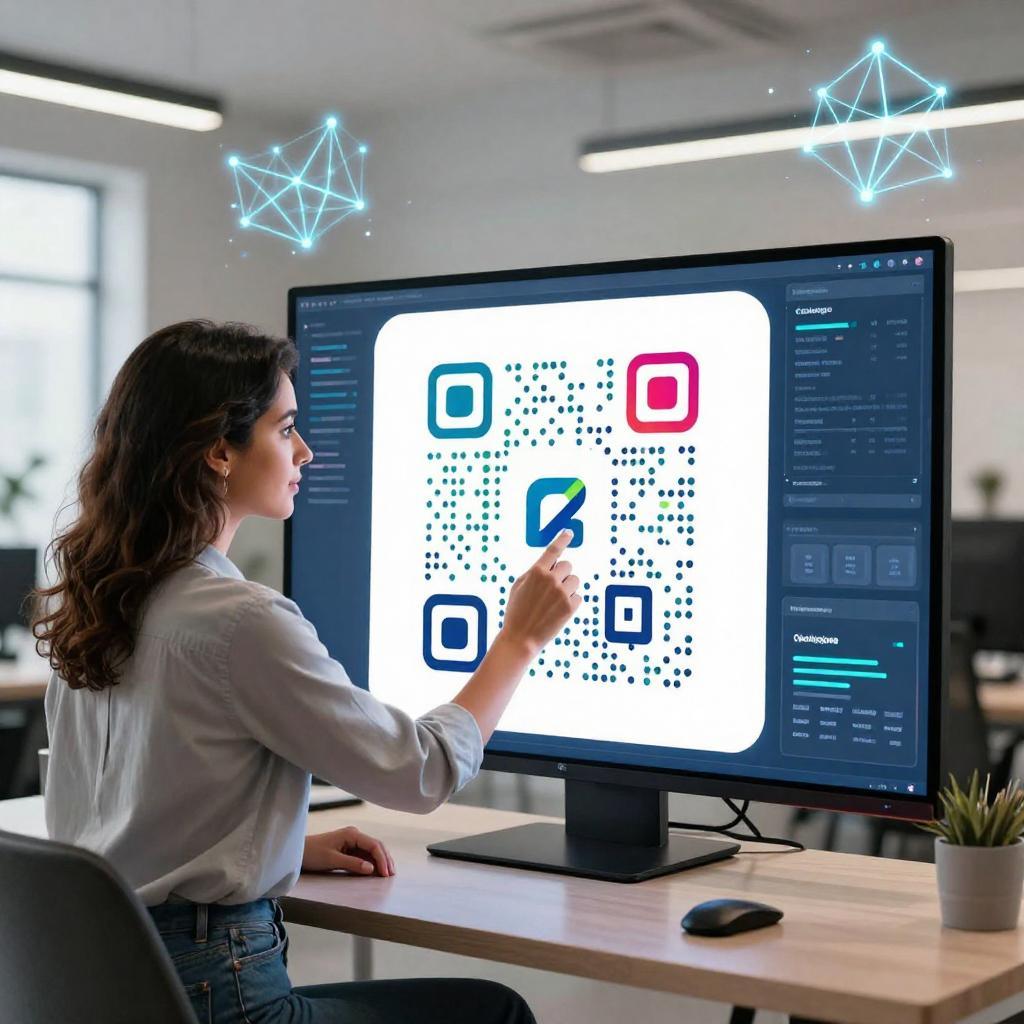
Generative design systems can now shape modules, harmonize palettes, protect logo clear space, and blend codes into campaign imagery without compromising scannability. The result is a code that looks like it belongs to your brand—on packaging, OOH, events, direct mail, and retail displays—while serving dynamic content that can change by audience, season, or inventory, all without reprinting.
Balancing Aesthetics with Reliability
Design for people first, machines second
Brand-fit doesn’t matter if people can’t scan. Follow human-centered UX fundamentals: explain the value next to the code (what happens after the scan), keep strong contrast, preserve quiet zones, and size for real-world distances and lighting. For practical heuristics and examples, see Nielsen Norman Group’s guidance on QR code usability in WeChat and beyond: QR adoption lessons and usability considerations.
AI that preserves scannability
State-of-the-art research shows how AI can make artistic codes while maintaining robust decoding. Diffusion-based methods refine images to protect crucial modules, balancing looks and reliability. A good reference is the CVPR 2024 Text2QR paper, which details techniques like scannability-aware guidance to improve scan success rates: Text2QR research on aesthetic yet scannable QR codes.
Standards, Analytics, and Governance
Make the code work across retail and consumer contexts
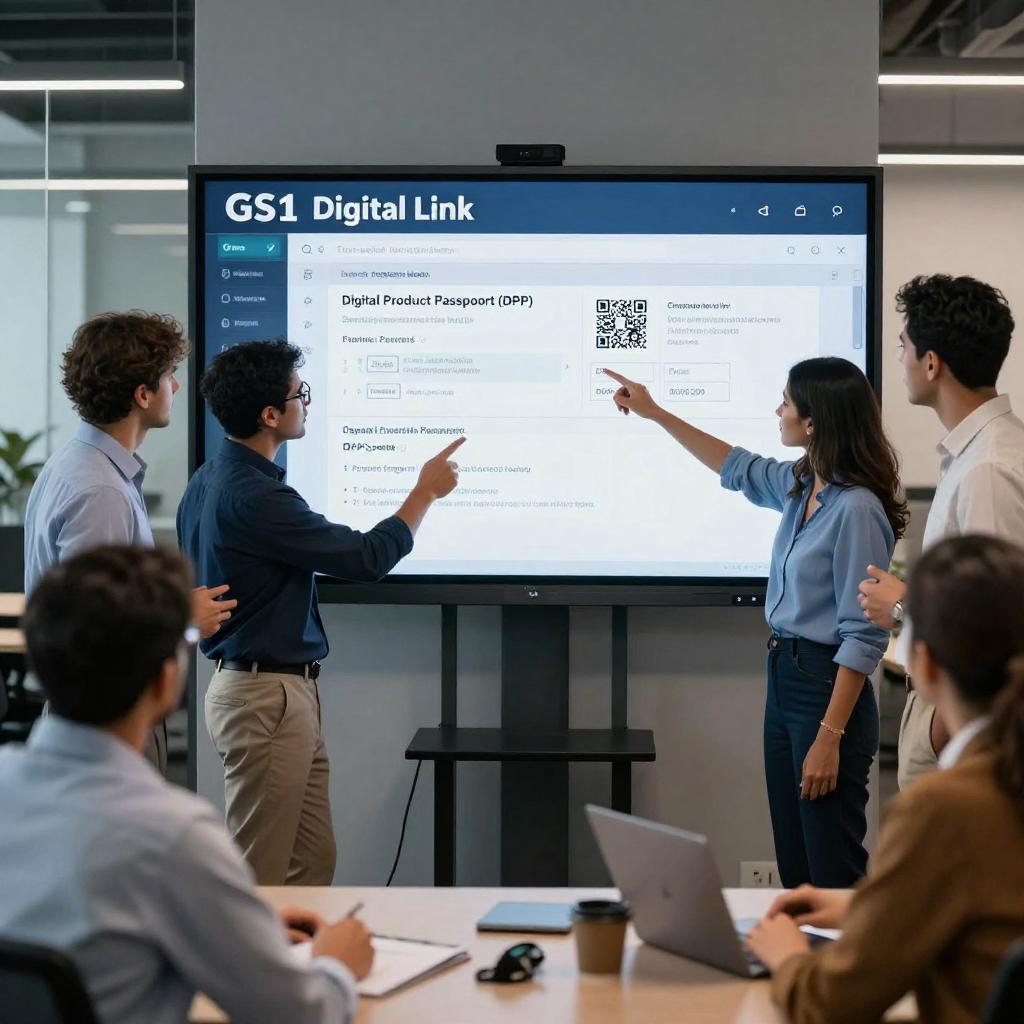
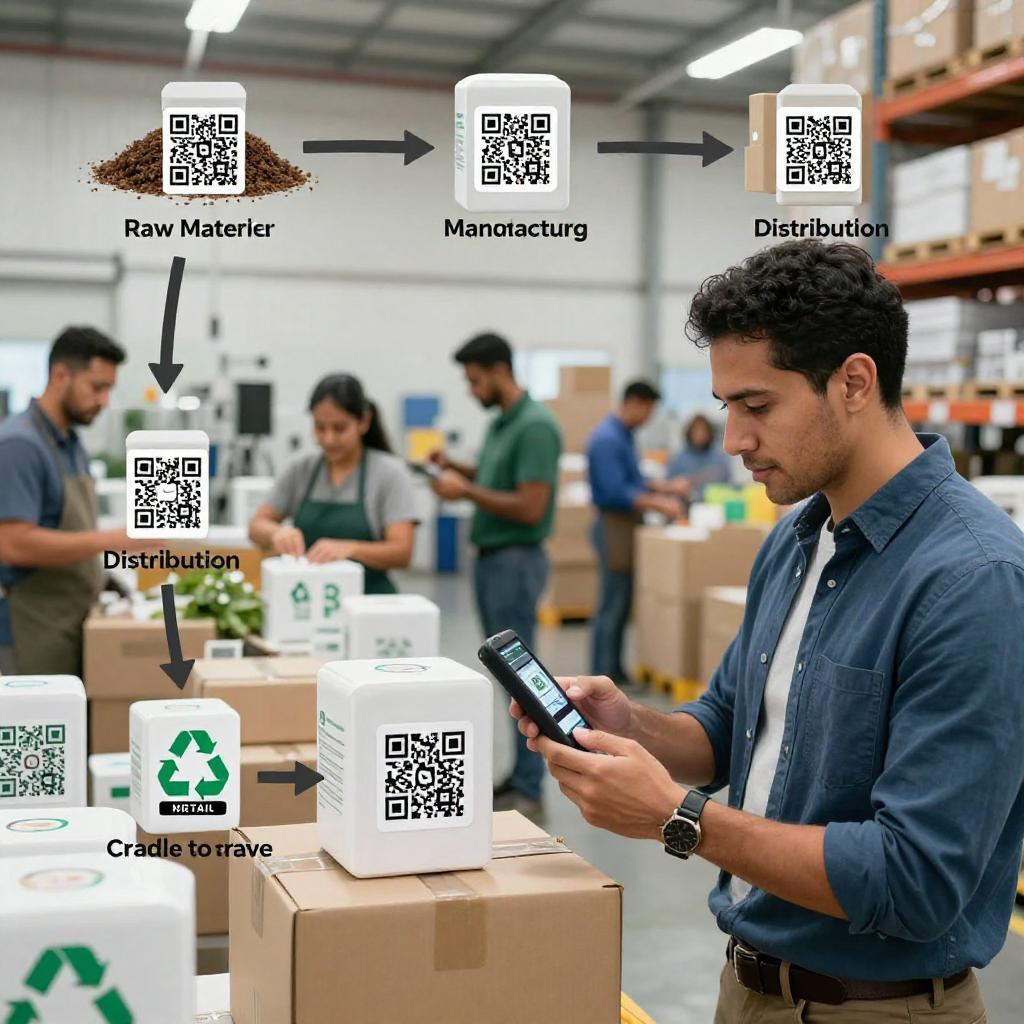
If your QR codes touch packaging or retail, consider GS1 Digital Link so a single symbol can support POS and rich consumer experiences. This standard encodes identifiers like GTIN in a URL, enabling context-aware redirects (e.g., how-to videos for shoppers, product data for systems). Learn more in GS1’s overview for brand owners: GS1 Digital Link for brands.
Data you can act on
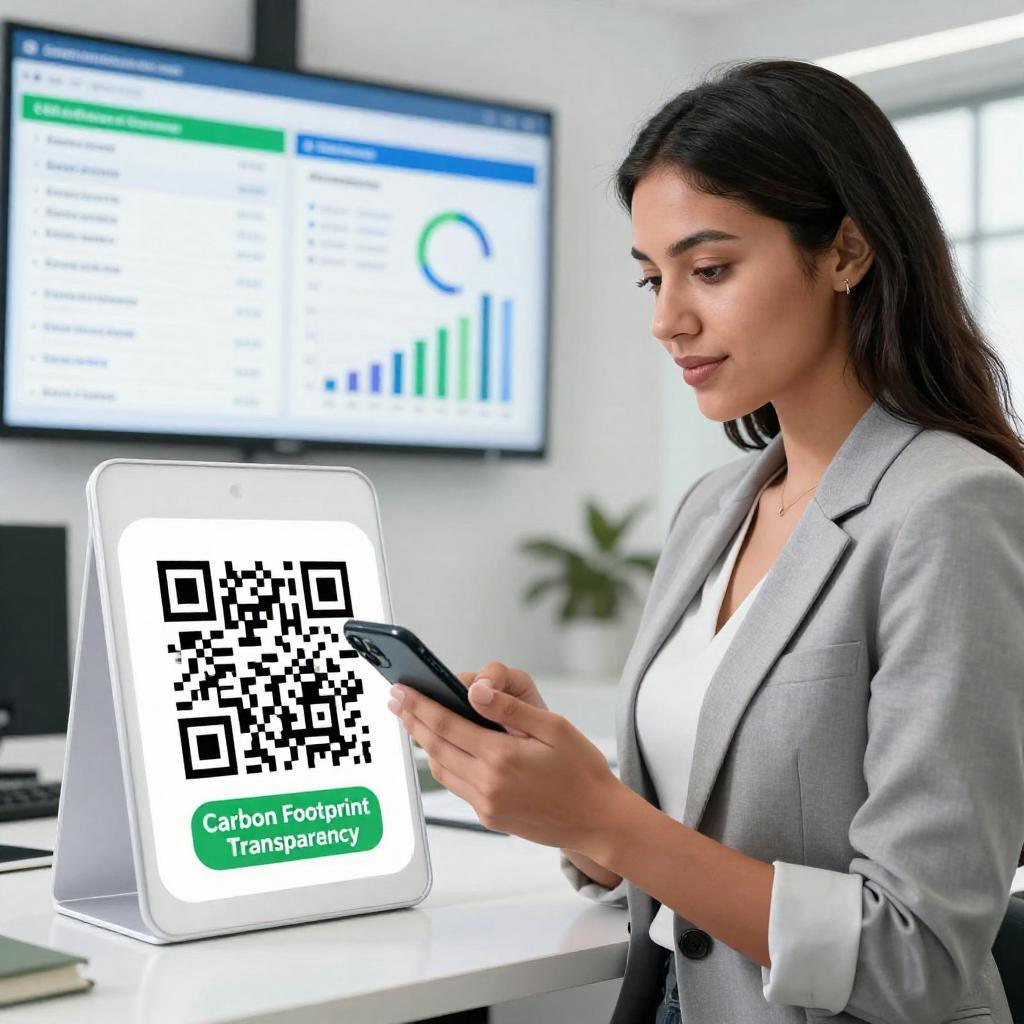
Dynamic QR destinations with UTM parameters and per-placement URLs turn every scan into an attribution signal—time, location, device, and creative. This is especially powerful in omnichannel journeys where physical media drives mobile actions. For a business lens on this bridge between offline and online, see Harvard Business Review’s perspective on QR codes’ enduring value: why QR still works for measurable engagement.
A practical playbook for teams
Start with the job to be done (e.g., trial, sign-ups, product education), then choose the right standard (e.g., GS1 for retail, standard QR for campaigns). Use AI prompts or templates that enforce contrast, quiet zones, and logo safety; generate multiple variants; and run device and distance tests in real contexts (indoor, outdoor, glossy substrates). Serve dynamic content via a reliable redirector, attach analytics, and define governance for approvals, expirations, and accessibility.
The bottom line
AI-powered QR code design turns a common code into a brand-native scan that people trust and want to use. When you pair aesthetic customization with UX best practices, standards compliance, and analytics, you get a fast, measurable path from physical to digital—one that advances digital transformation tools and strengthens modern marketing strategies without sacrificing reliability.