AI-Powered QR Code Personalization: Delivering Unique Scans at Scale
Why Personalization Matters in the Age of the QR Code
QR codes in business have evolved from static shortcuts into dynamic gateways for modern marketing strategies. With AI, each scan can become a unique service moment—tailored to the scanner’s context, intent, and stage in the customer journey. That shift unlocks measurable gains in conversion, retention, and first-party data collection, making AI-personalized QR codes one of the most practical digital transformation tools available today. The value isn’t the code itself; it’s the orchestration behind the scan: who scanned, where, when, on what device, and how to respond in real time with the most relevant experience.
From Static Labels to Dynamic Identities
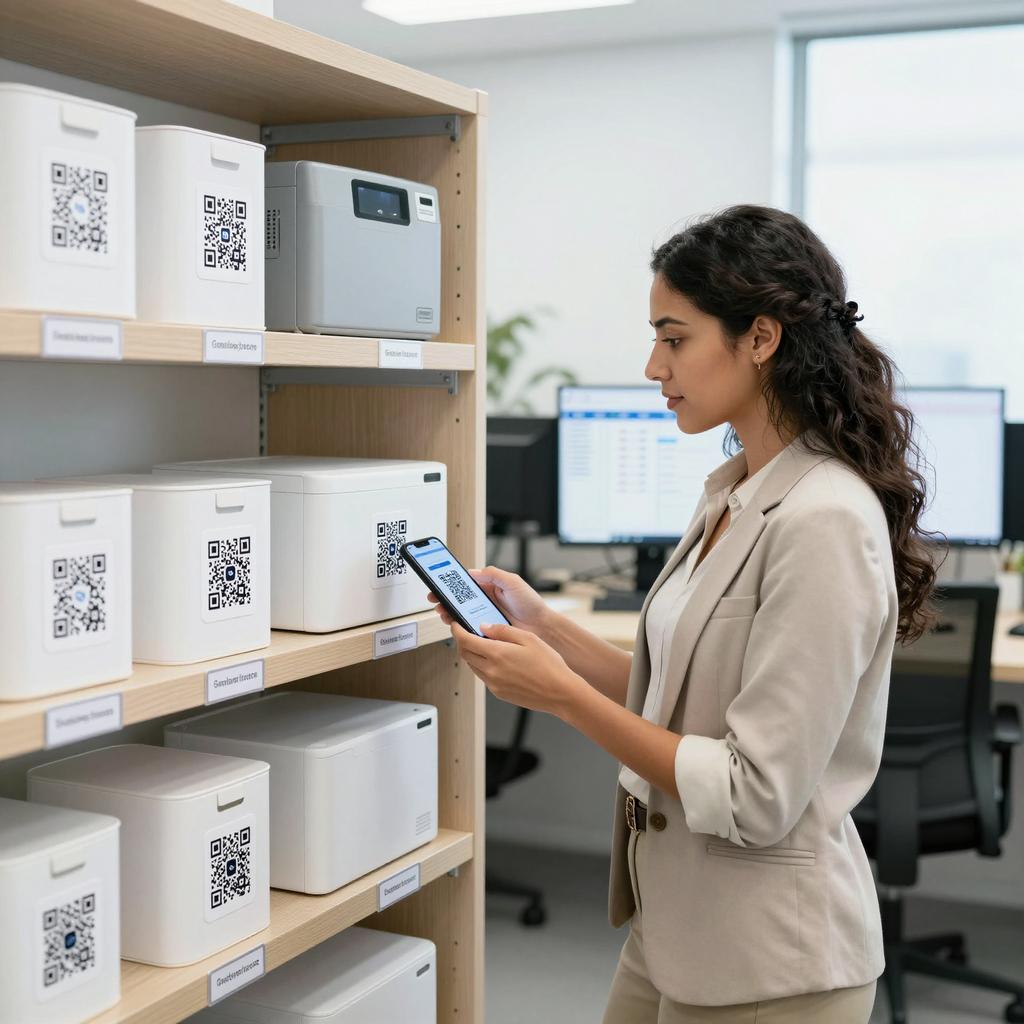
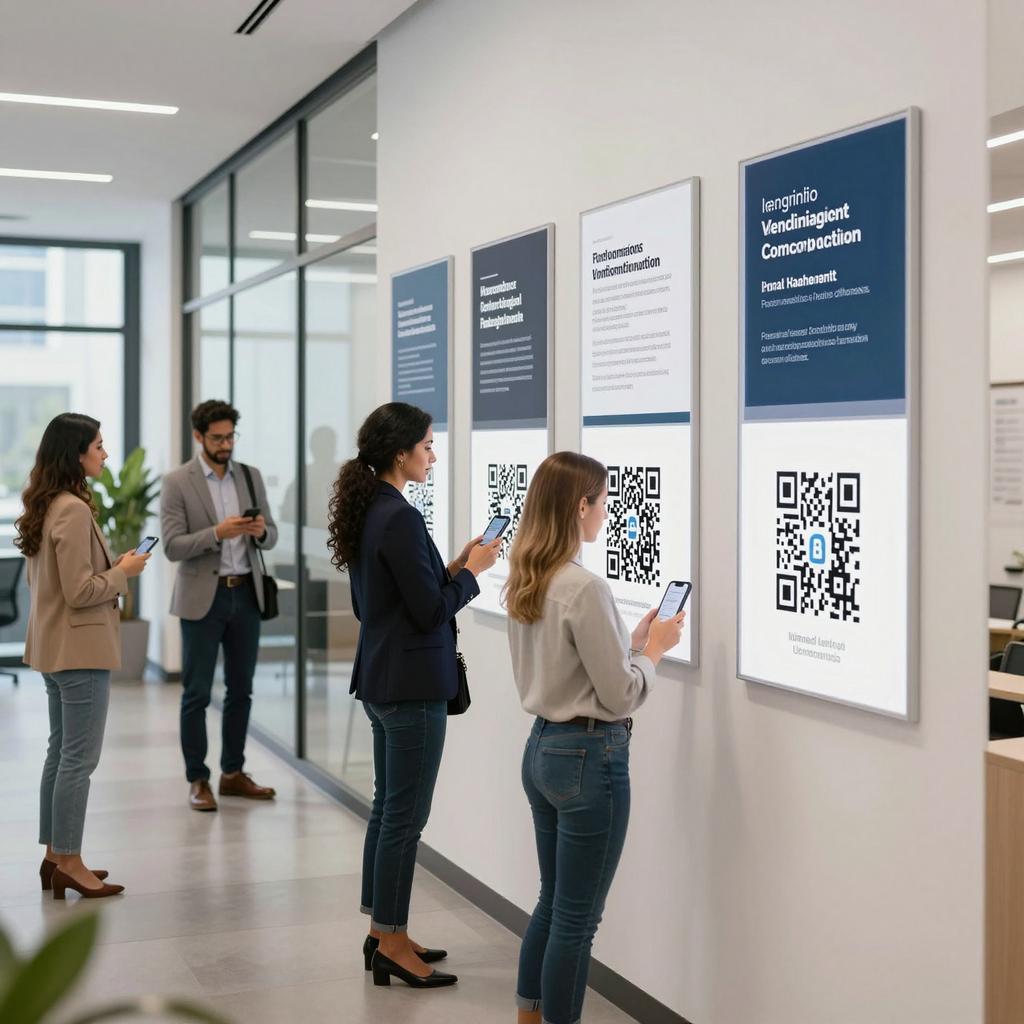
Traditional QR codes route every person to the same destination. In contrast, AI-enabled, dynamic QR codes treat each scan as a decision point. A single code on packaging or OOH media can branch to different content—product education for first-time scanners, loyalty offers for returning customers, or service diagnostics for post-purchase support. This “one code, many outcomes” model simplifies operations (print once, personalize indefinitely) while preserving creative control. It also centralizes analytics so marketers can monitor performance across channels without juggling dozens of physical variants.
Privacy-First Personalization That Builds Trust
Personalization at scale must respect consent and compliance. AI systems can infer intent with privacy-safe signals—time of day, language, approximate location, referral source—without collecting sensitive data. Layering in explicit preferences and zero-party inputs (e.g., selecting a product flavor or size) improves relevance while maintaining transparency. Clear disclosures, simple opt-outs, and tight data retention policies ensure the experience feels helpful, not invasive. The goal is to transform QR codes in business into trust-building touchpoints that earn permission over time.
How AI Powers Unique Scans at Scale
Under the hood, a real-time decision engine evaluates each scan against business rules and predictive models. Features might include campaign ID, device type, inventory availability, weather, and past engagements to recommend the next best action. Multi-armed bandits and uplift modeling optimize experiences without long, brittle test cycles, while guardrails enforce brand and legal constraints. Critically, the system should decouple decisioning from content, so marketers can update logic and creative independently—accelerating iteration and simplifying governance across regions and product lines.
Decisioning in Milliseconds, Everywhere
Delivering unique destinations per scan requires a low-latency, globally distributed stack. Edge compute and CDN routing minimize round trips; serverless functions apply rules and models in under 100 ms; and robust fallbacks ensure the experience still works offline or with degraded connectivity. Short, standards-based URLs help scanners trust the destination, and deep links seamlessly route to apps when available. The result is a fast, reliable journey that feels purpose-built for the moment, not a generic redirect.
Contextual Creative and Micro-Content
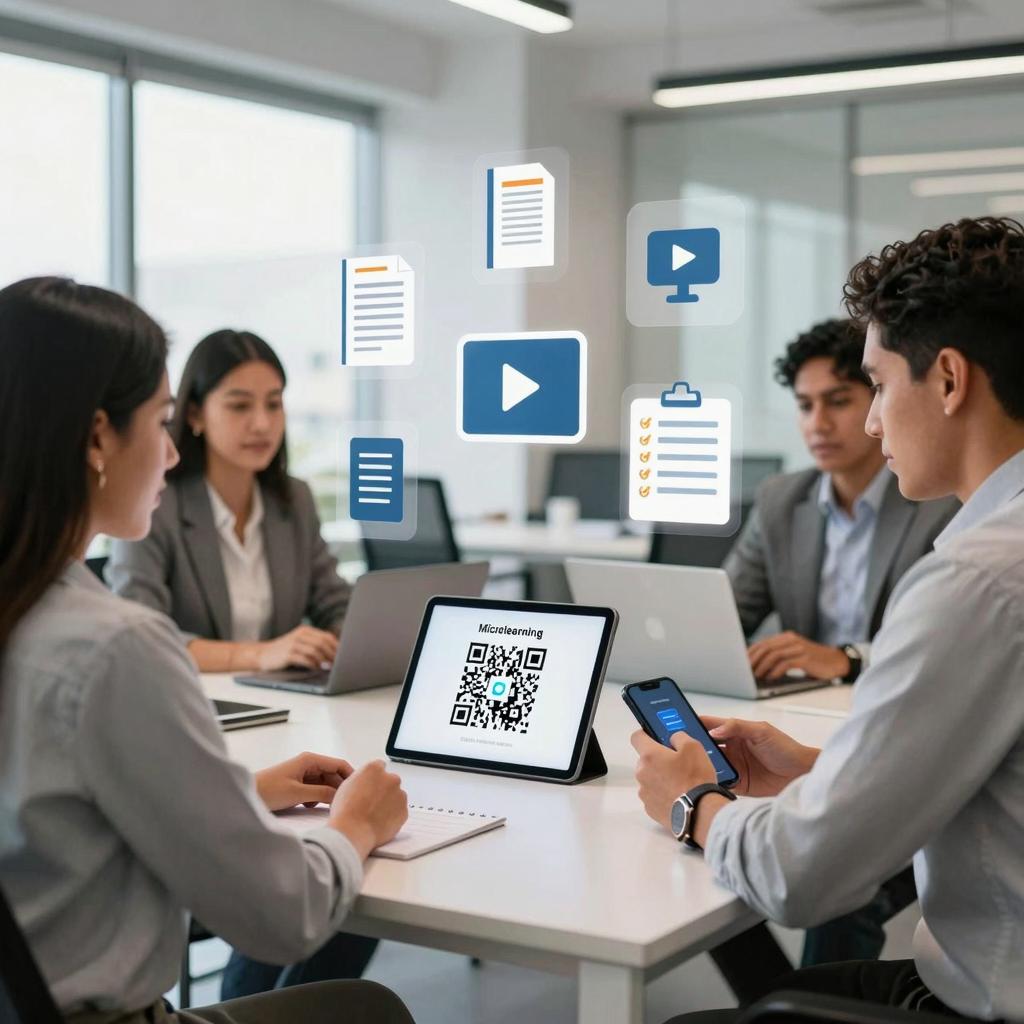
Beyond routing, AI can assemble content that matches context—dynamic hero modules, localized copy, or modular product education. Generative components should be used judiciously, with templates, tone constraints, and human review for brand safety. Smart defaults matter: if data is sparse, serve the most broadly useful content; as signals accumulate, increase personalization granularity. Over time, the system learns which combinations of offer, message, and format drive outcomes for each audience, channel, and use case.
Standards, Reliability, and Governance
Scalable personalization benefits from standards that ensure interoperability across systems and partners. GS1 Digital Link provides a structured way to encode product identifiers and manage links consistently across channels. For practical guidance, see the GS1 best practices for QR Codes powered by GS1 Digital Link, the comprehensive GS1 US Digital Link Implementation Guide, and the GS1 Digital Link overview for brands. These resources help teams align on URL structures, resolver behavior, and lifecycle management—foundations that reduce technical debt and prevent fragmentation as programs grow.
Conclusion: Turn Every Scan into a Service Moment
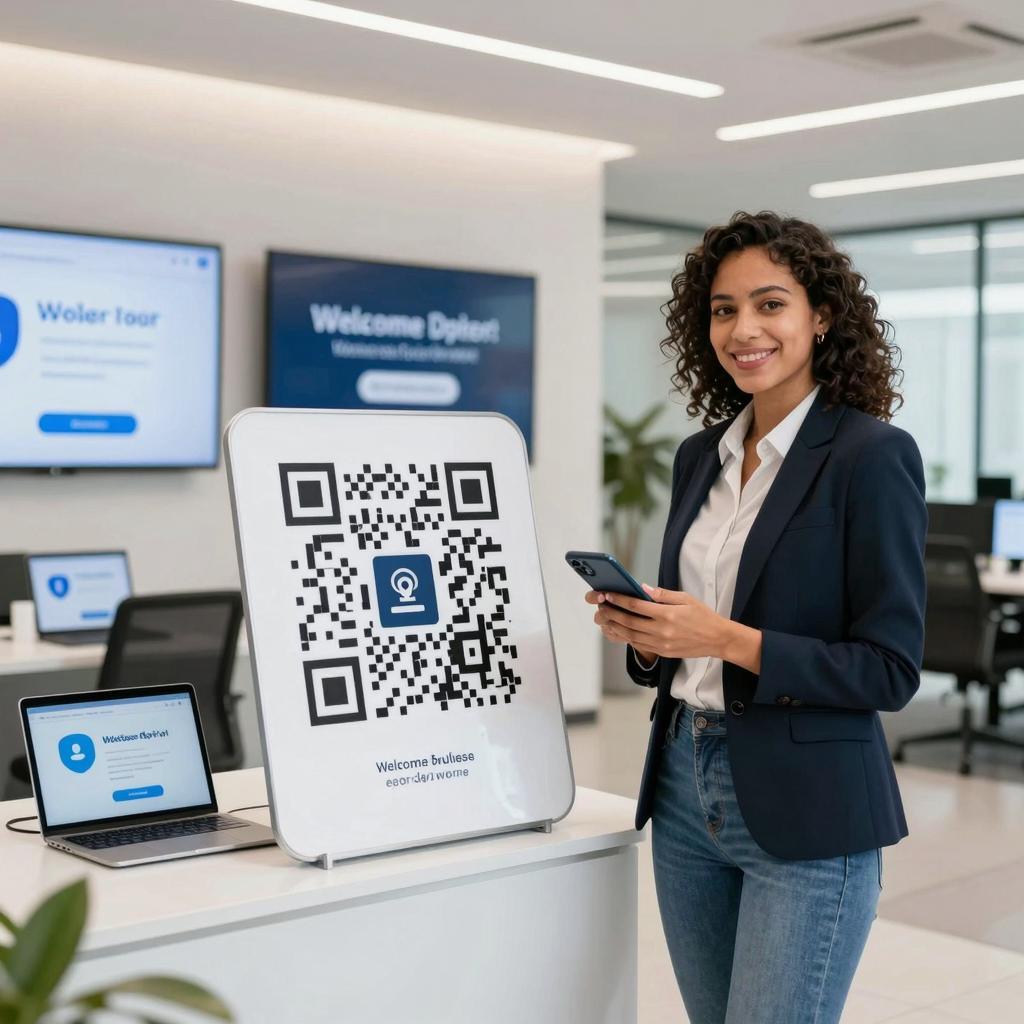
AI-powered QR code personalization transforms a simple square into a responsive customer interface—one that adapts to context, scales globally, and compounds value with every interaction. When grounded in open standards, privacy-by-design, and clear governance, these experiences become reliable digital transformation tools that improve marketing efficiency and customer satisfaction. The takeaway is simple: treat each scan as a chance to deliver timely utility, not just a link. Do that consistently, and you’ll turn everyday touchpoints into durable, modern marketing strategies that drive measurable growth.