How NFC and QR Codes Work Together for Smart Businesses
Why NFC and QR Codes Are Better Together
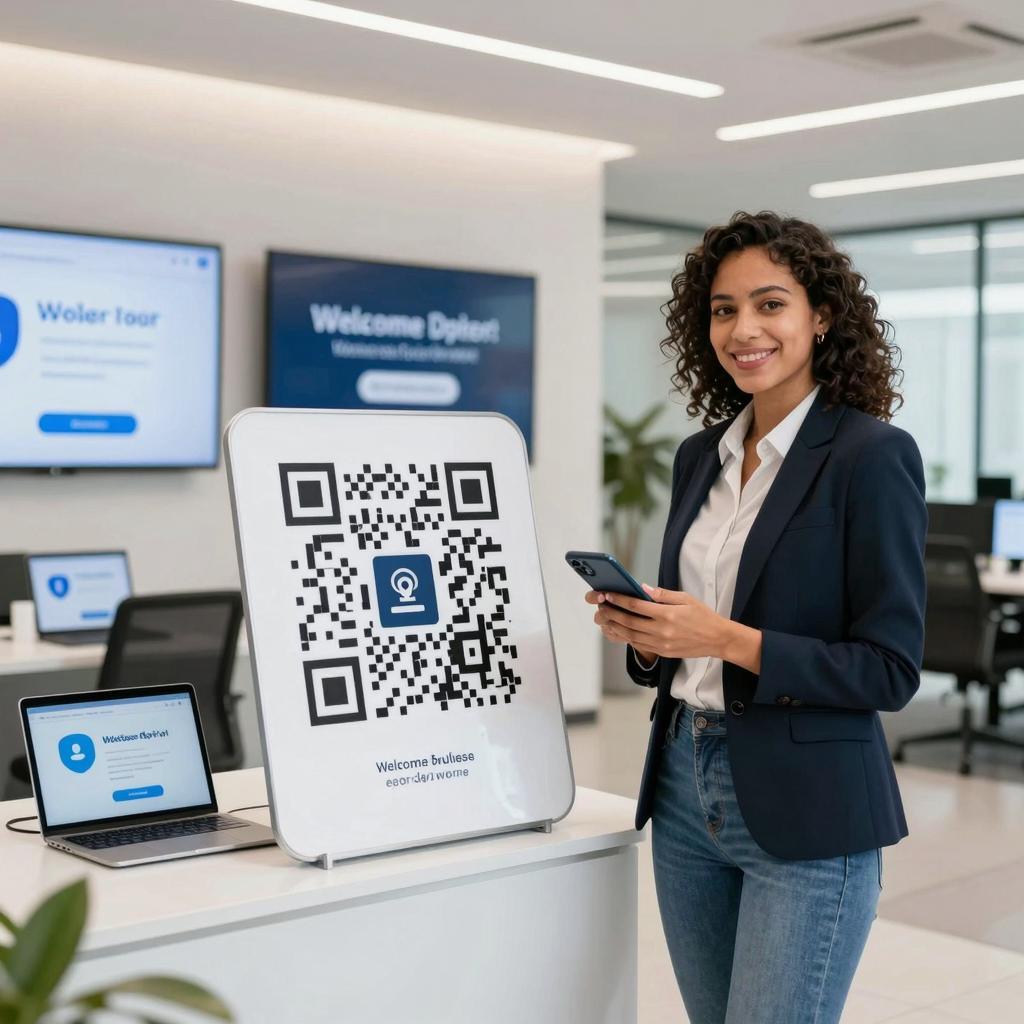
Smart businesses are pairing NFC and QR codes to create seamless, omnichannel experiences that work for every customer and every device. NFC delivers one-tap convenience for proximity interactions, while QR codes offer camera-based access at a distance—together, they drive accessibility, speed, and data-rich engagement. This dual approach turns physical touchpoints into scalable digital transformation tools that support everything from product discovery to payments and loyalty.
Understanding how each technology works reveals why they’re complementary. NFC enables secure, close-range communication using radio waves, typically via a tap on a tag, card, or terminal, while QR codes encode data visually and can be scanned from print, packaging, or screens. For foundational context, see the NFC Forum overview of NFC technology and GS1’s explanation of QR Codes—two authoritative resources that highlight standards, operating modes, and business use cases.
Core Use Cases That Merge Physical and Digital
Frictionless Onboarding and Authentication
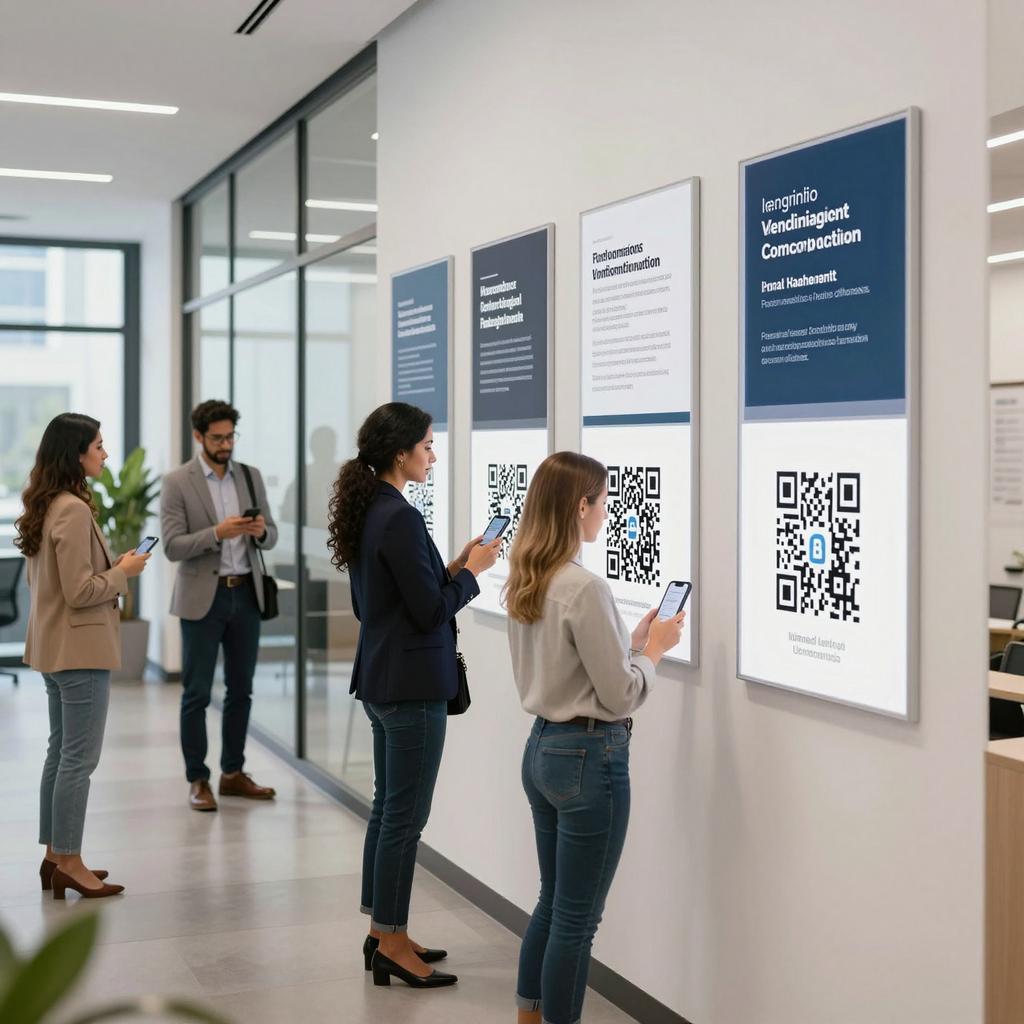
For onboarding, NFC can trigger deep links or app experiences with a tap—ideal for sign-ins, Wi‑Fi provisioning, or access control—while a nearby QR code ensures camera-based fallback for older devices or far-field interactions. Businesses can guide users with clear signage: “Tap to get started” (NFC) and “Scan if your phone doesn’t support tap” (QR). This hybrid design increases completion rates, keeps lines moving, and ensures inclusivity—key to maximizing the ROI of QR codes in business.
Smarter Packaging and Retail Engagement
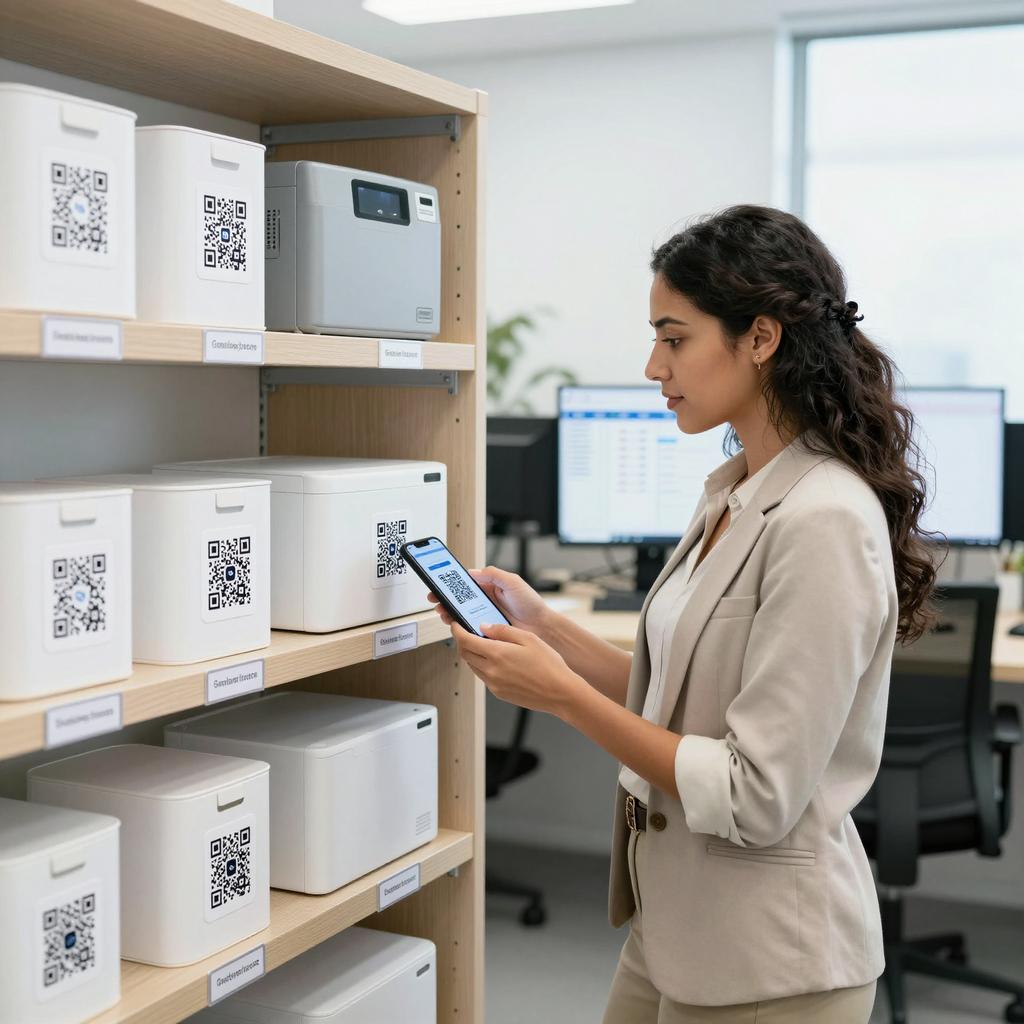
On packaging or shelf labels, NFC enables instant product verification, warranty registration, or care instructions at the point of use. Right next to it, a QR code can deliver rich content from a distance—recipes, sustainability data, or promotions. Retailers increasingly standardize on a single, structured URL strategy using GS1’s web-enabled identifiers for consistent experiences across channels; the GS1 Digital Link standard for retailers shows how one encoded link can route to the right destination based on context, device, or region.
Payments and Loyalty in One Motion
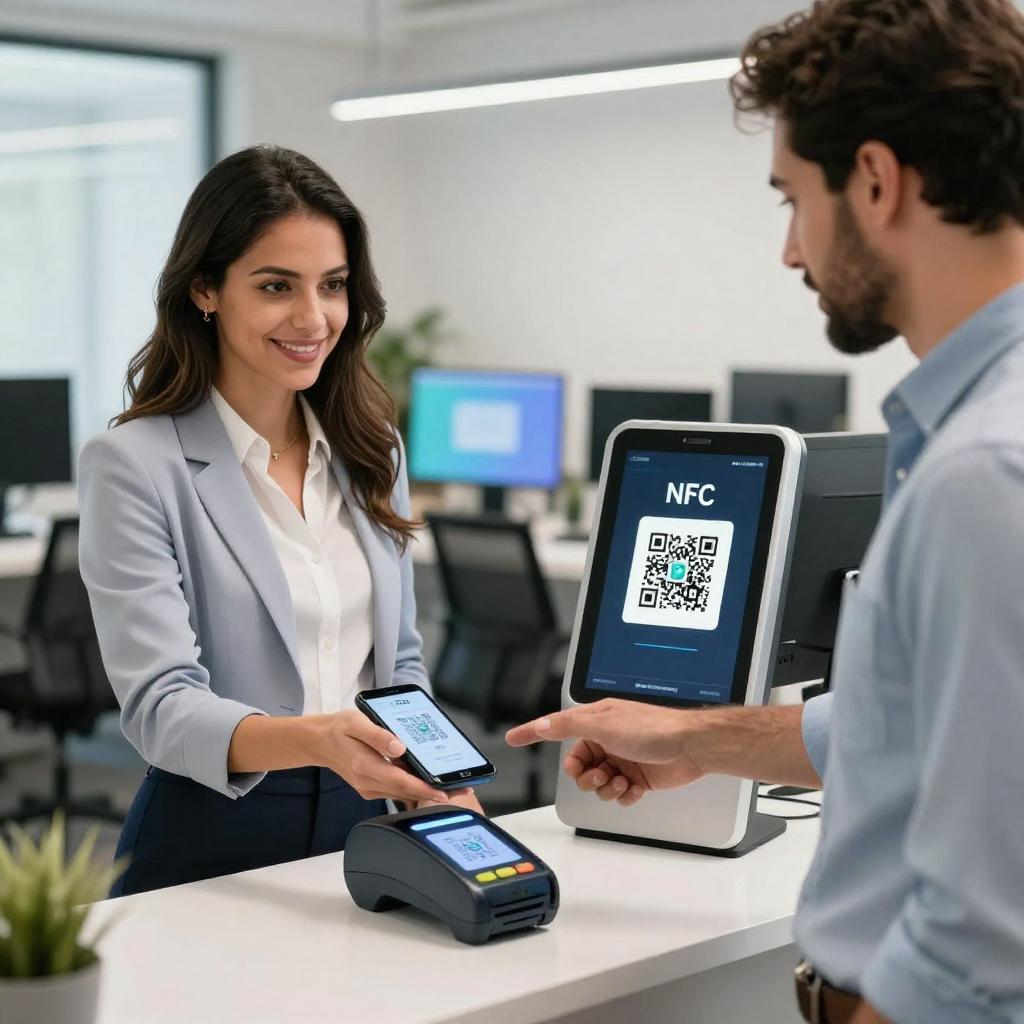
In-store, NFC powers fast, secure tap-to-pay and tap-to-earn loyalty, while a co-located QR code supports gift cards, bill pay, or markets where camera-based payments are preferred. This blended approach lets brands meet customers where they are, unify incentives, and reduce checkout friction. For a standards-based view of why NFC remains critical in the transaction flow, review the NFC Forum’s perspective on NFC’s role in the modern payments stack.
Implementation Playbook for Smart Businesses
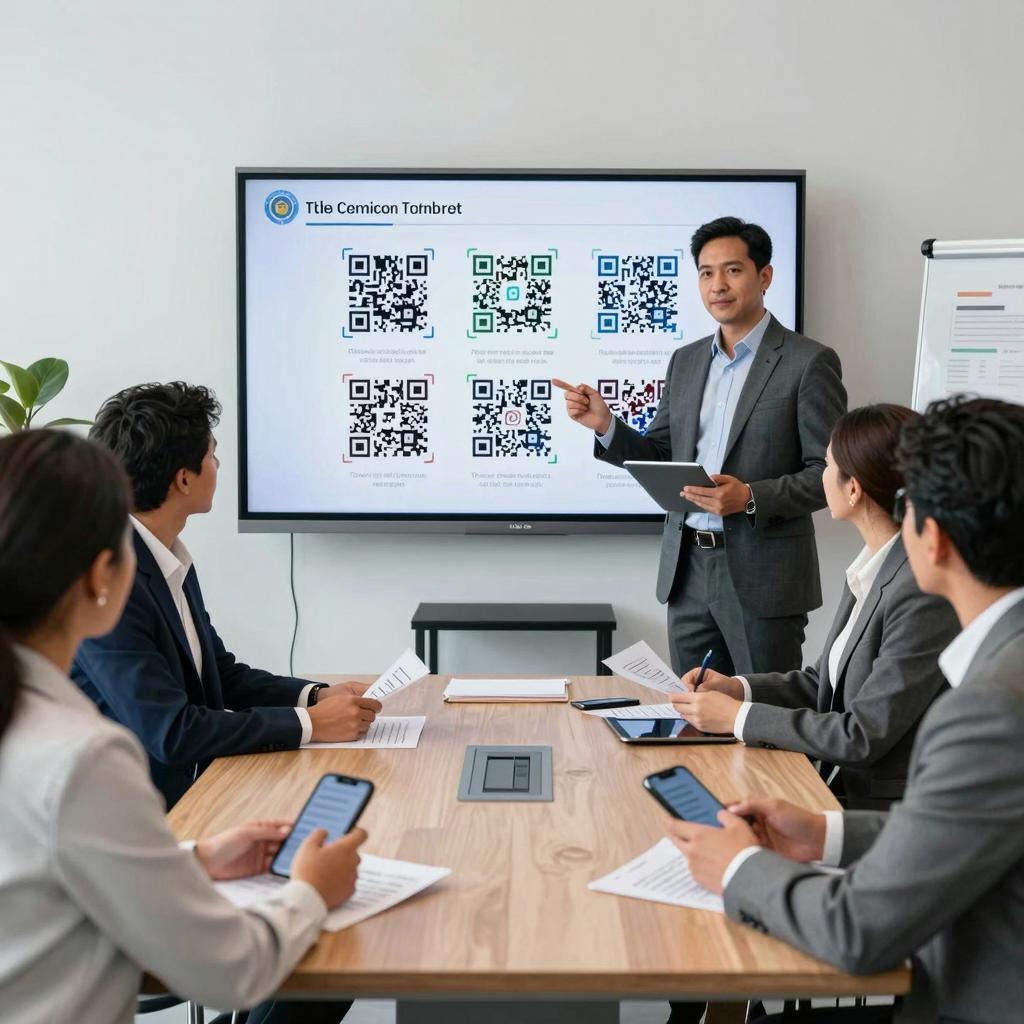
Start with a decision tree tied to customer context: If the interaction is at arm’s length and needs security or speed (entry, pay, authenticate), prioritize NFC; if it’s discoverable from a distance or on media that may be photographed (flyers, windows, digital signage), prioritize QR. Where business-critical, deploy both. Reinforce the user journey with iconography, short instructions, and clear value propositions—then test positioning, size, and messaging to lift conversion.
Design your links for resilience and measurement. Use a single, canonical URL for each experience, with server-side routing to tailor outcomes by device capability (NFC tap vs. QR scan vs. desktop). Add campaign parameters to compare placements and creatives; use dynamic QR codes only where change is required, and maintain version control. For NFC, choose tag types and memory sizes that fit your payload, encode NDEF records with future-proof URLs, and set appropriate protections. Above all, collect consented analytics and respect privacy-by-design—modern marketing strategies win long-term when they build trust.
Operationally, plan for lifecycle management. Print and packaging have long lead times, so stabilize your URL structure before mass production. For environments with heavy wear, select durable NFC inlays and protective labeling. Train staff to demonstrate both tap and scan flows, and include accessibility cues for customers with assistive technologies. Treat these touchpoints as always-on digital transformation tools that bridge channels and feed your CRM, CDP, and analytics stack.
Conclusion: The most effective strategy isn’t choosing NFC or QR—it’s orchestrating both to serve the customer’s moment of need. When you pair tap-to-act immediacy with scan-from-anywhere reach, you expand your addressable audience, increase conversion, and future-proof your customer journeys. Build once with standards, route intelligently by context, and let data guide continuous improvement—the hallmark of smart businesses using QR codes in business to power modern marketing strategies.