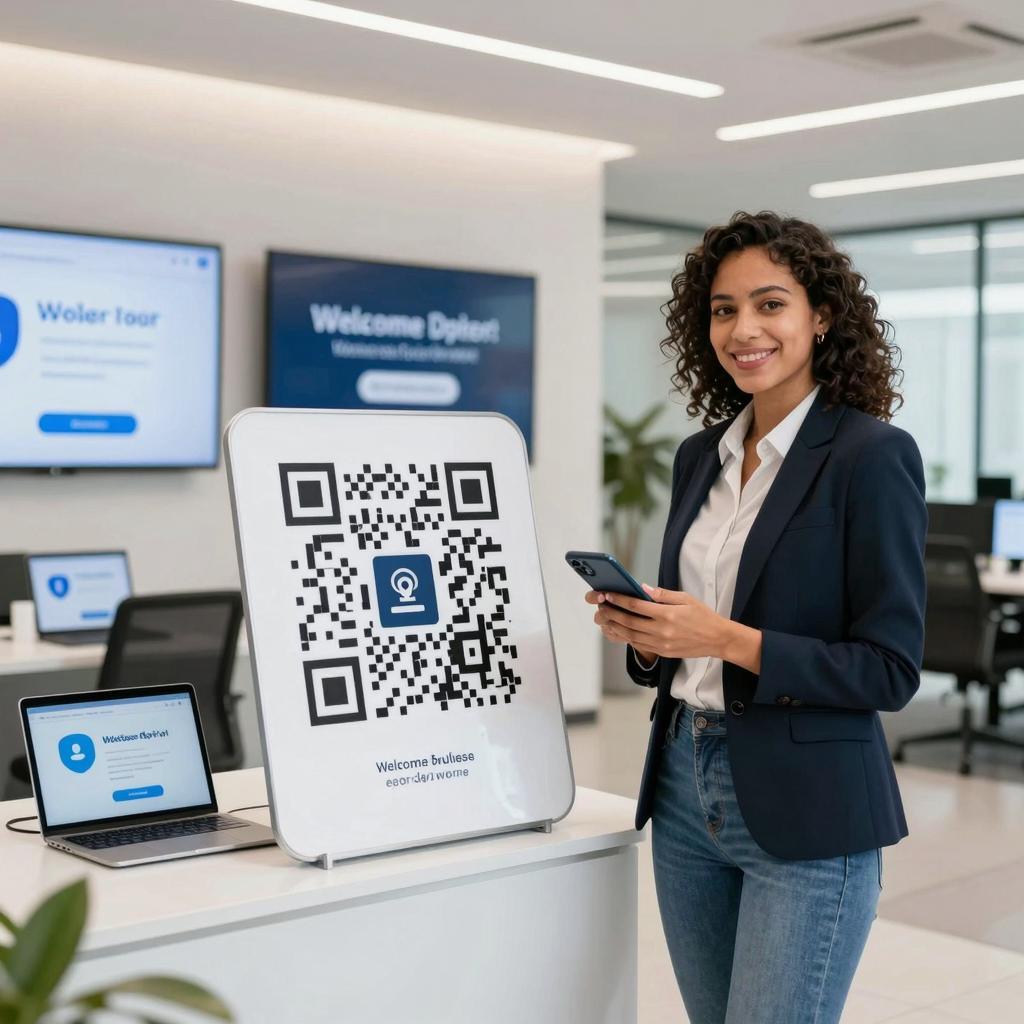
Blockchain and QR Codes: A New Era of Product Authenticity
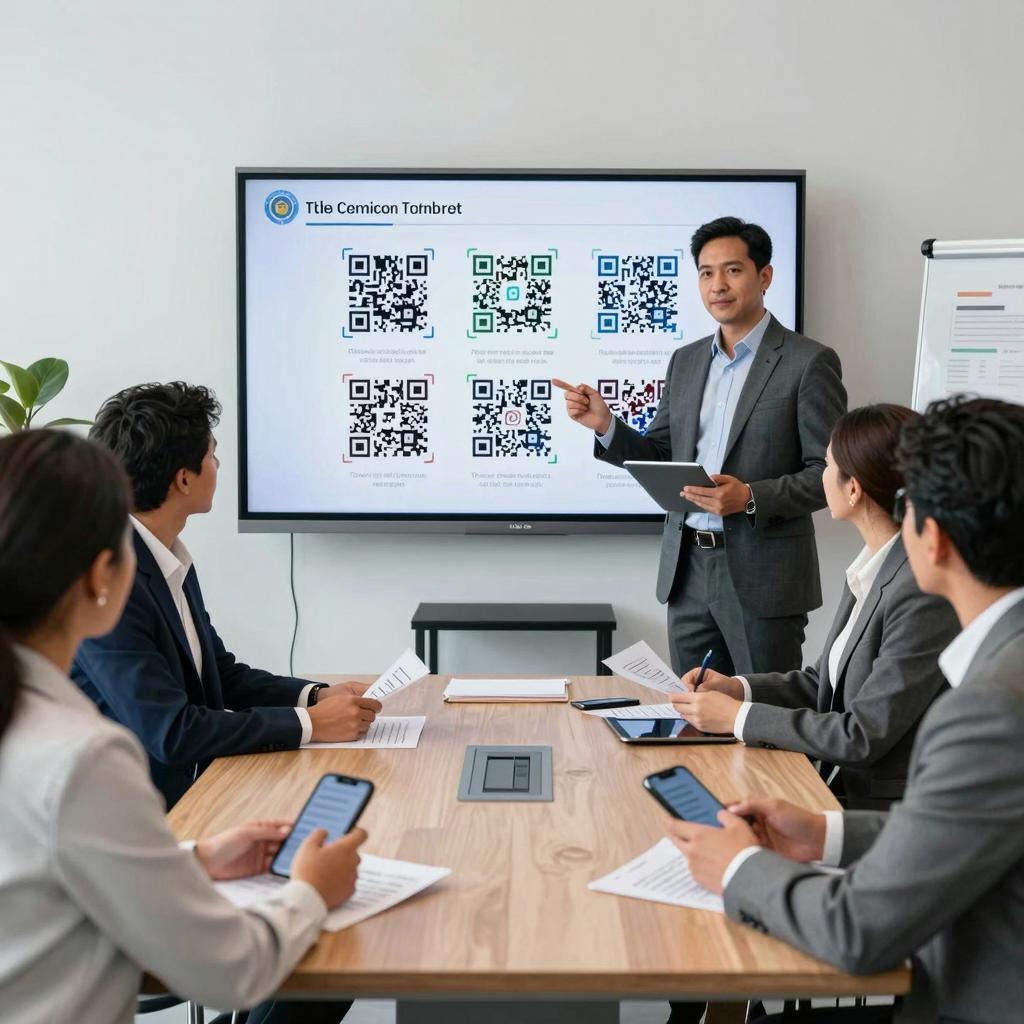
Counterfeiting, gray-market diversion, and opaque supply chains erode trust—and ultimately revenue. Pairing blockchain with QR codes in business delivers a practical, scalable fix: every unit gets a unique identity (via serialization) and a scannable gateway to truth. As digital transformation tools go, few are as versatile; the same code that verifies authenticity also powers customer support, recall readiness, and modern marketing strategies across channels.
The trust gap that QR codes and blockchain solve
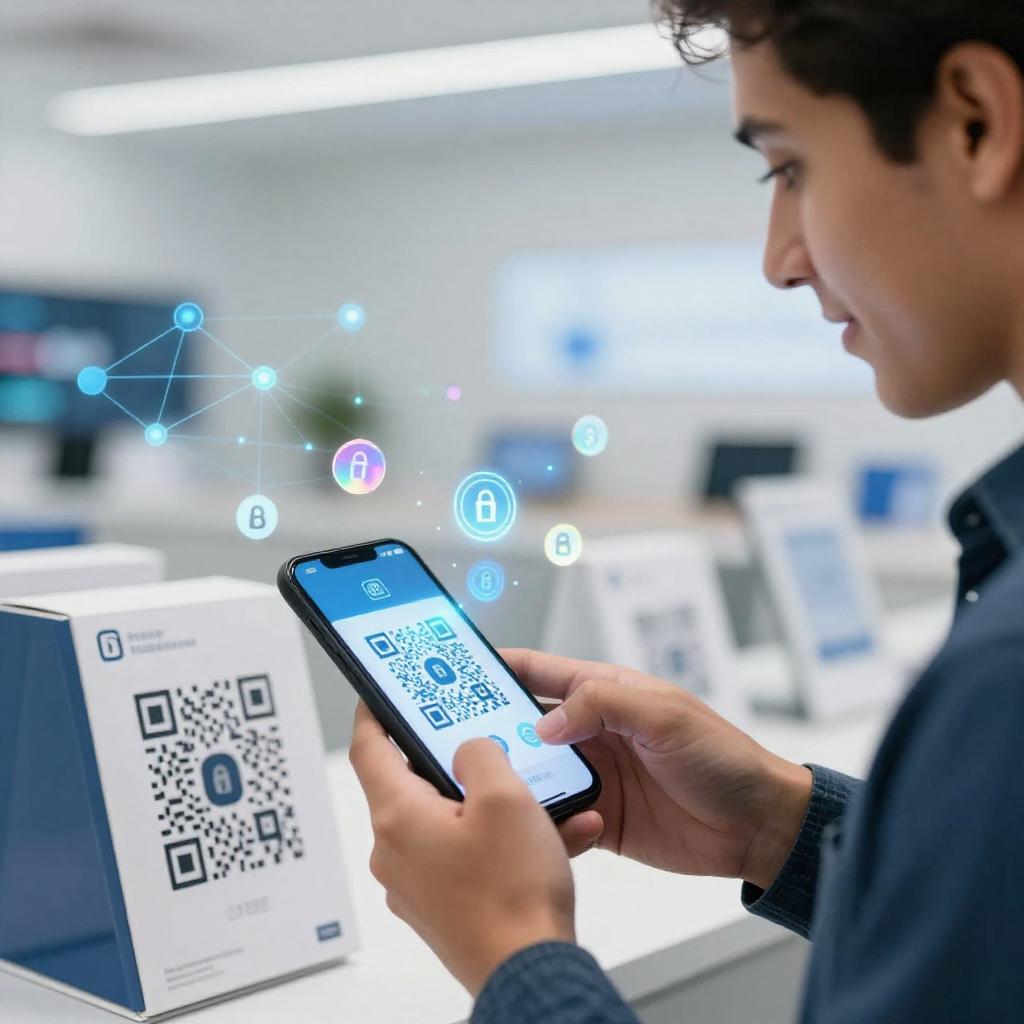
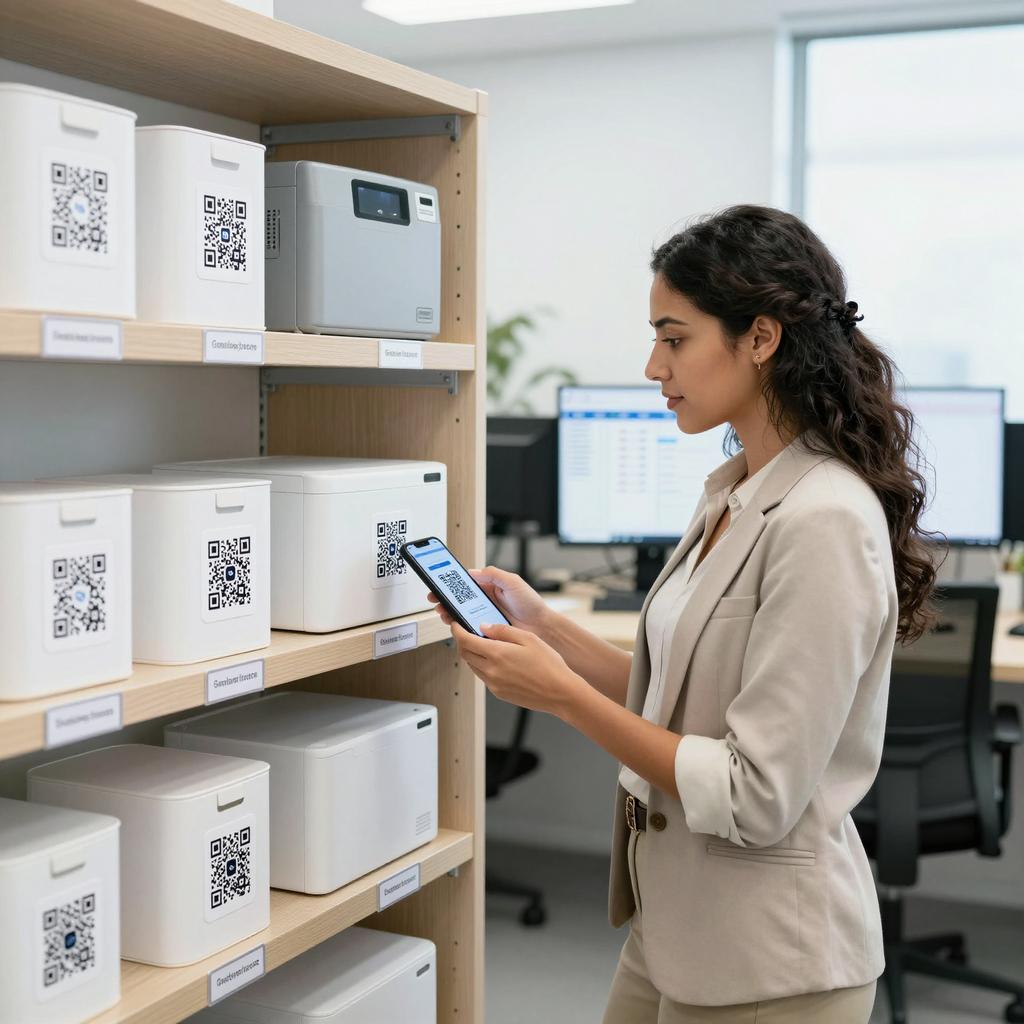
Traditional anti-counterfeit tactics (holograms, static barcodes) are easy to mimic and hard to validate in the wild. A dynamic QR encoded with a serialized product ID can route consumers, retailers, and inspectors to a verifiable record anchored on a tamper-resistant ledger. When the scan resolves to the brand’s domain, it can show provenance, handling conditions, and status in seconds. That immediacy creates confidence at the shelf and simplifies investigations when anomalies appear.
How it works: GS1 Digital Link plus EPCIS events
At the core is GS1 Digital Link, which turns global identifiers (GTIN, serial, lot, date) into resolvable web addresses. Each scan can fetch event data (packed, shipped, received, sold) captured in EPCIS and, when appropriate, recorded or referenced on a blockchain network for integrity. For technical teams, the IBM Transparent Supply documentation on GS1 identifiers shows how standardized IDs flow through enterprise systems, while GS1’s guidance on applying standards to blockchain explains how to align serialization, EPCIS, and Digital Link for interoperability and global scale.
Anti-counterfeit UX at the moment of truth
From a user’s perspective, authenticity should feel instant and trustworthy. A scan can display a green “verified” state if the serial is valid, first-seen in the expected geography, and consistent with logistics events; it flags risk if the code shows up twice or in the wrong market. Behind the scenes, rules engines analyze duplicate scans, velocity, and geolocation to detect fraud patterns. For a broader view of this approach, see IBM’s perspective on blockchain for anti-counterfeit and provenance, which outlines how item-level verification plus analytics reduces brand and consumer risk.
Business value beyond compliance
Once authenticity is solved, the same QR unlocks growth levers. Post-scan experiences can register products, enroll loyalty, or deliver hyper-relevant content by SKU, batch, and location—fueling first-party data without adding friction. Service teams get instant access to warranty and traceability information. In regulated categories, recall communication becomes targeted and fast. This is why QR codes in business have moved from novelty to necessity: they bridge physical goods to digital services that compound value over time.
Data that powers modern marketing strategies
Scan data enriches customer and market insights: which regions engage, which SKUs get re-scanned, what messaging drives repeat purchase. Brands can tailor offers by context (e.g., new owner vs. resale, different climates or languages) and measure lift at the unit level. Privacy-safe designs keep personally identifiable information optional and transparent, while still providing enough telemetry to optimize campaigns, content, and retail partnerships.
Implementation roadmap for brands
Start with a risk/value assessment: where are counterfeits, diversions, or trust gaps costing you? Next, adopt GS1-compliant identifiers and GS1 Digital Link QR at the unit level; integrate serialization at packaging lines and EPCIS in your data layer. Choose a blockchain network that fits your ecosystem and governance model, then define verification rules (first-scan, geo, channel). Pilot with a high-visibility SKU, validate ROI (reduced fraud, fewer support contacts, higher engagement), and scale with clear partner onboarding and data stewardship.
What leaders are learning from pilots
Early movers report two big wins: faster, more precise traceability and a cleaner, more engaging customer journey. In food and perishables, for example, Walmart’s experience with blockchain-enabled food traceability shows how item-level data shortens investigation times and strengthens supplier accountability. The same blueprint applies to beauty, luxury, electronics, and pharma: make every product a digital touchpoint, prove it’s genuine, and use that moment to build lasting relationships. That’s the main takeaway—product authenticity is no longer a siloed control; it’s a growth engine when paired with smart QR experiences and an integrity-first data foundation.