Why Custom QR Code Design Increases Brand Recognition
The Branding Science Behind Custom QR Codes
Visual identity and recall
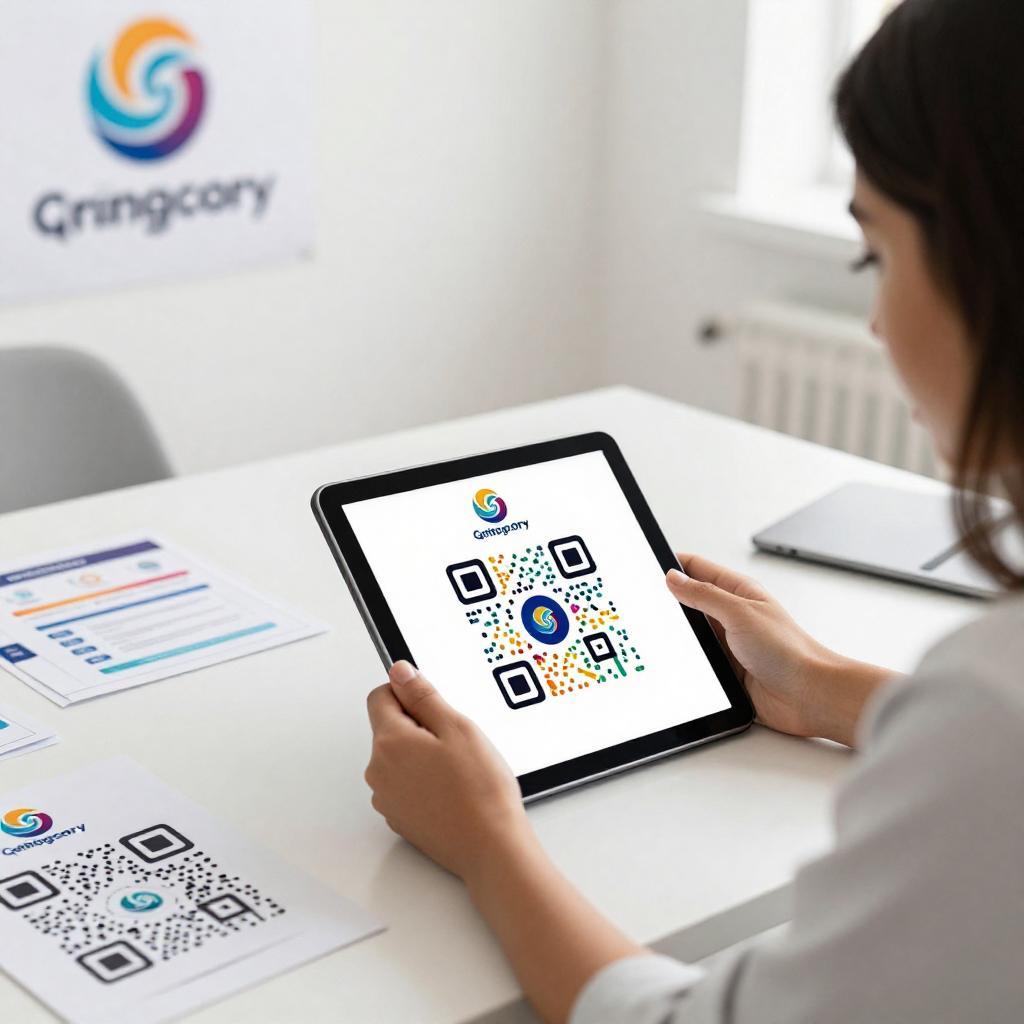
In a cluttered media environment, custom QR codes function as compact brand billboards. When the matrix pattern is styled with brand colors, shapes, and frames that mirror your visual system, the code becomes instantly recognizable and easier to recall. This consistency triggers mental availability—buyers connect the scan with your brand’s promise—making QR codes in business a subtle but powerful cue that supports modern marketing strategies across packaging, retail displays, events, and print.
Trust and scan intent
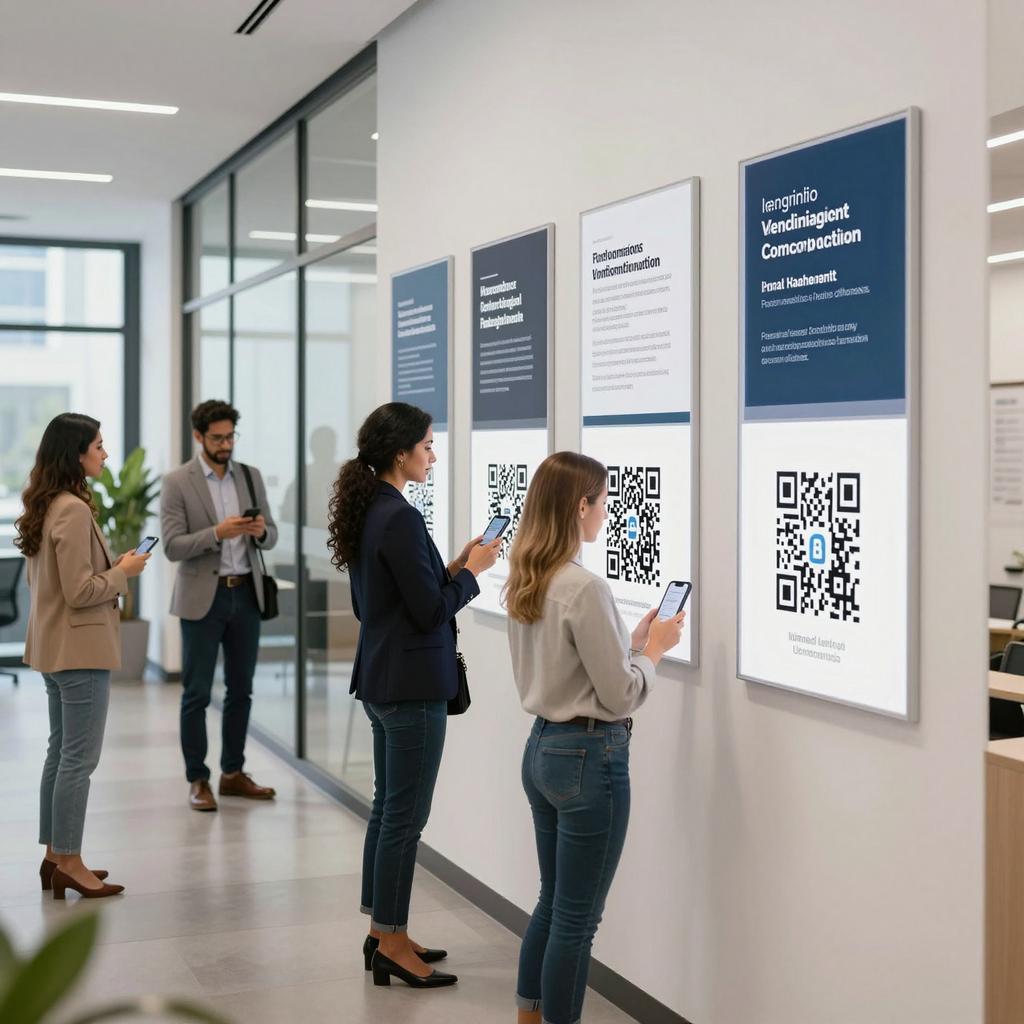
People scan what they trust. Branded QR codes reduce uncertainty by signaling authenticity at the very first touchpoint. Elements like a logo, a short descriptive label, and a clear call-to-action increase perceived safety and purpose, which raises scan intent and downstream conversion. In practice, brands see higher engagement when the code looks like it belongs to them—not like a generic black square dropped into a design—because it aligns expectations and reduces friction in the customer journey.
Design Principles That Protect Scannability
Contrast, quiet zone, and error correction
Good branding never comes at the expense of function. Maintain strong dark-on-light contrast, keep a clear quiet zone around the code, and balance error correction with code density—especially for small surfaces or long URLs. Standards bodies publish robust guardrails; for example, the GS1 best practices for QR Codes powered by GS1 outline scannability fundamentals that underpin consumer trust at scale. Following these rules lets you use distinctive colors and frames without sacrificing fast, reliable scans.
Logo integration and frames
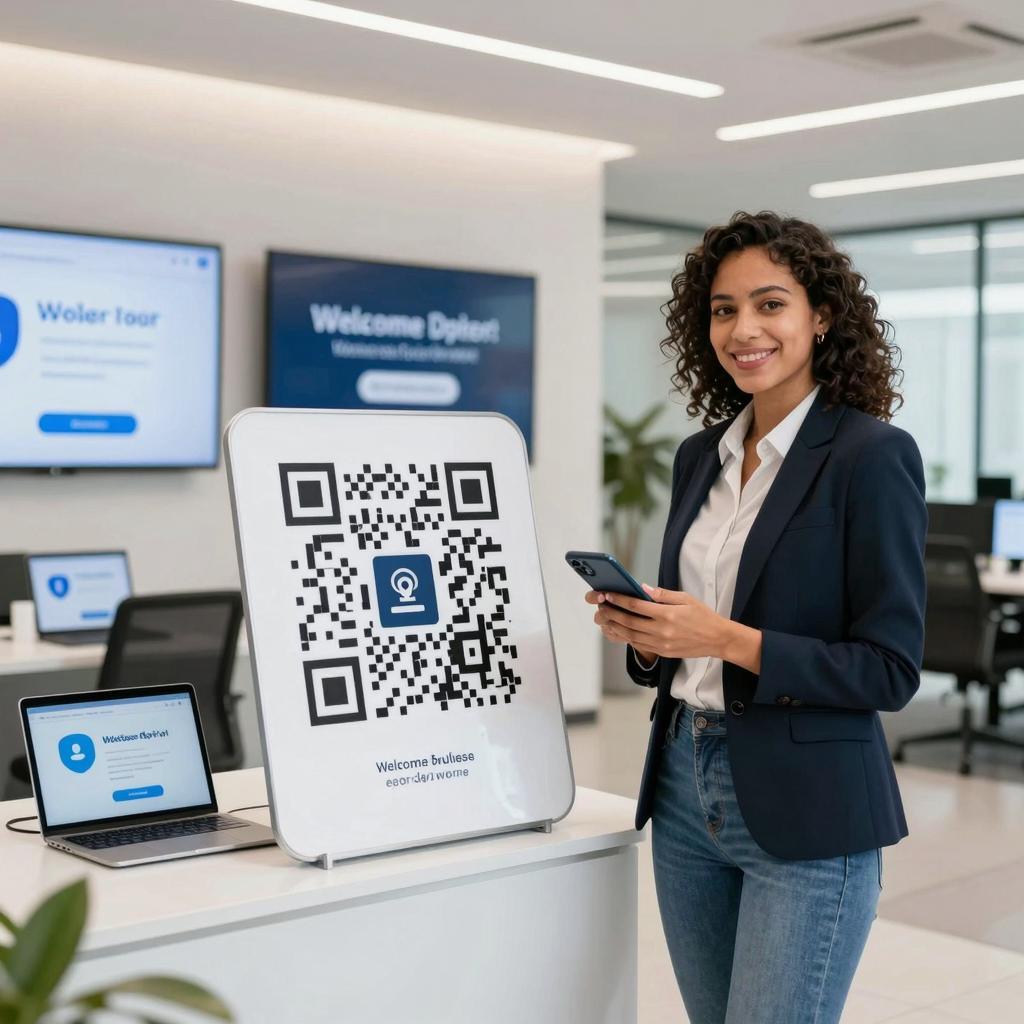
Brand recognition gets a boost when you integrate a logo, frame copy, or a short descriptor like “Scan to see ingredients” or “Scan for VIP access.” However, placement and size matter. Research-based guidance such as the Nielsen Norman Group’s QR code usability guidelines recommends preserving detection patterns, providing clear intent text, and testing on multiple devices and distances. Done right, your logo becomes a trust signal, while the frame clarifies value—together they improve both recall and usability.
From Scan to Sale: Marketing Impact
Measurement, attribution, and A/B tests
Custom design is not just aesthetic; it’s measurable. A/B tests commonly show that branded codes outperform plain ones in scan-through rates and downstream engagement. Platforms report consistent gains when marketers test color contrast, logo presence, CTA frames, and placement. For benchmarking and emerging usage patterns, see Bitly’s 2025 QR code trends and data report, which connects QR design choices with campaign performance—useful for optimizing creative across channels.
Omnichannel continuity and CTAs
Custom QR codes act as a connective tissue in digital transformation tools: the same branded code style can guide customers from out-of-home to mobile to store, reinforcing identity at every hop. Maintain the same color system, frame language, and CTA hierarchy across touchpoints so codes feel native to your brand world. Pair this with mobile-optimized landing pages, context-specific offers, and dynamic routing to localize experiences—turning scans into attributable micro-conversions inside modern marketing strategies.
Conclusion: Make Every Square Count
Custom QR code design increases brand recognition because it blends three imperatives—identity, trust, and usability—into a single, scannable asset. Follow standards for contrast and quiet zones, add logos and clear intent text for credibility, and iterate with data to prove lift. In a market where QR codes in business are now standard, brand-forward codes elevate you from functional to memorable, helping each scan carry your signature and move customers confidently to the next step.