How AI and QR Codes Are Shaping the Future of Marketing
Artificial intelligence and QR codes are converging to create a powerful bridge between physical experiences and digital journeys. For brands pursuing modern marketing strategies, this pairing turns every package, poster, receipt, and retail display into a measurable, optimizable touchpoint—one that feeds first-party data into AI systems and returns smarter personalization in real time. It’s a pragmatic path to digital transformation tools that actually move revenue, not just slide decks.
The convergence of AI and QR codes
Why now?
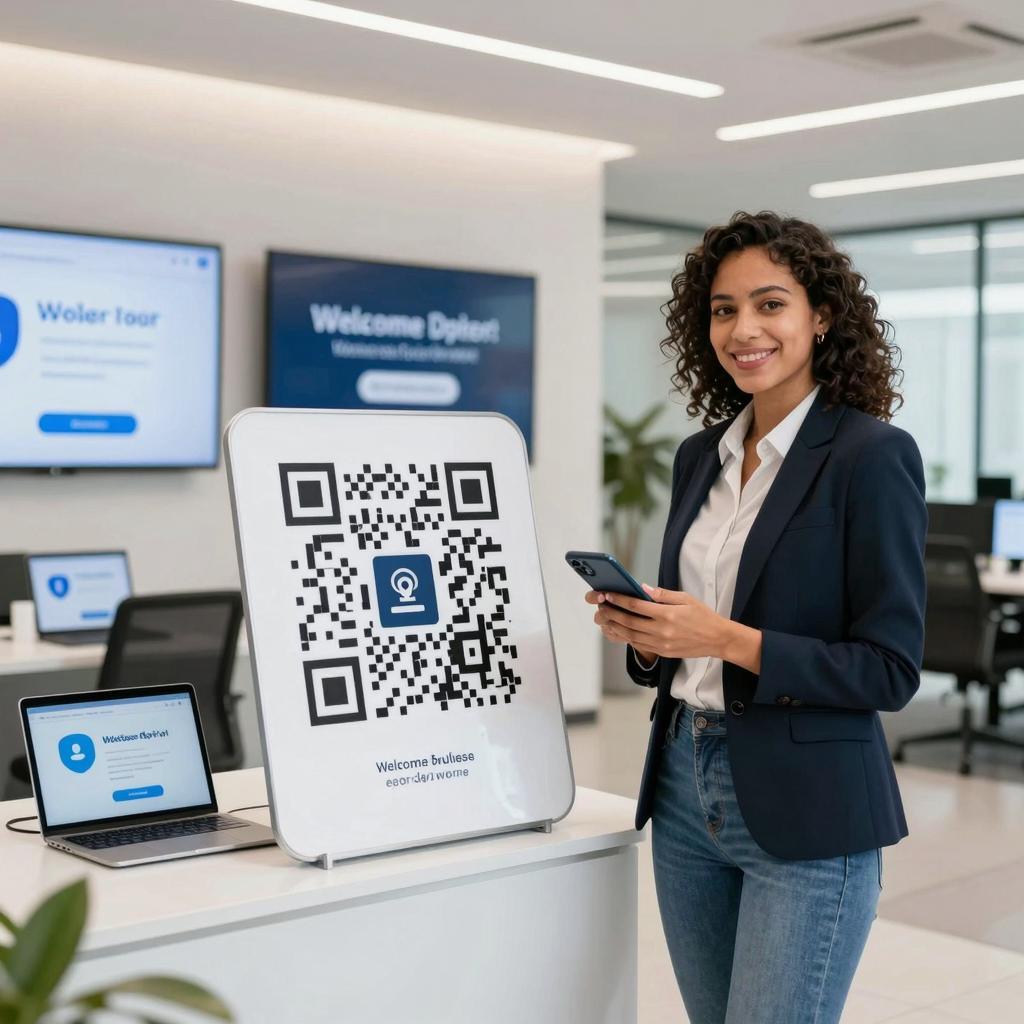
As cookies deprecate and acquisition costs rise, marketers need privacy-safe ways to connect offline and online. QR codes in business surged with native smartphone scanning, and standards like GS1 Digital Link make those codes interoperable across partners and platforms. The result is a scalable way to transform any offline asset into a digital entry point that’s instantly interactive—and measurable—without relying on third-party identifiers.
The data flywheel
Every scan captures context—where, when, and which creative drove action—then AI models use that signal to personalize next best actions: content, offers, or service flows. Dynamic QR codes can route different audiences to different destinations, test creative variants, and update experiences without reprinting. That closed loop creates a flywheel: better data improves models; better models drive higher conversion; higher conversion yields more first-party data.
Use cases across the funnel
Acquisition and personalization
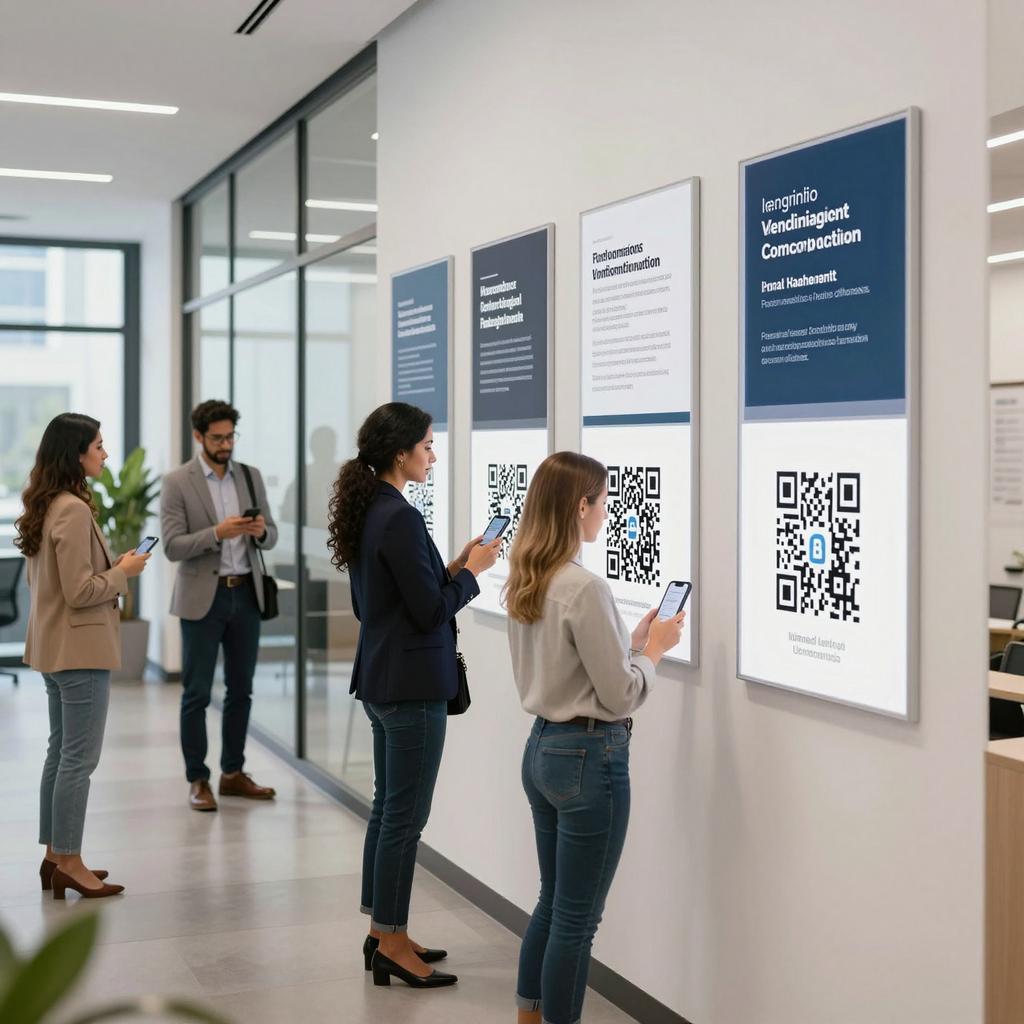
From out-of-home to in-store displays, QR codes make offline media addressable. AI then predicts which message, format, or incentive will convert by audience, location, and time of day. Brands tapping this approach see personalization gains validated by industry research on the next frontier of personalized marketing, where first-party data and real-time decisioning underpin outsized ROI. In practice, this looks like creative rotation based on weather, inventory-aware offers, and multilingual experiences generated on the fly.
Connected packaging and GS1 Digital Link
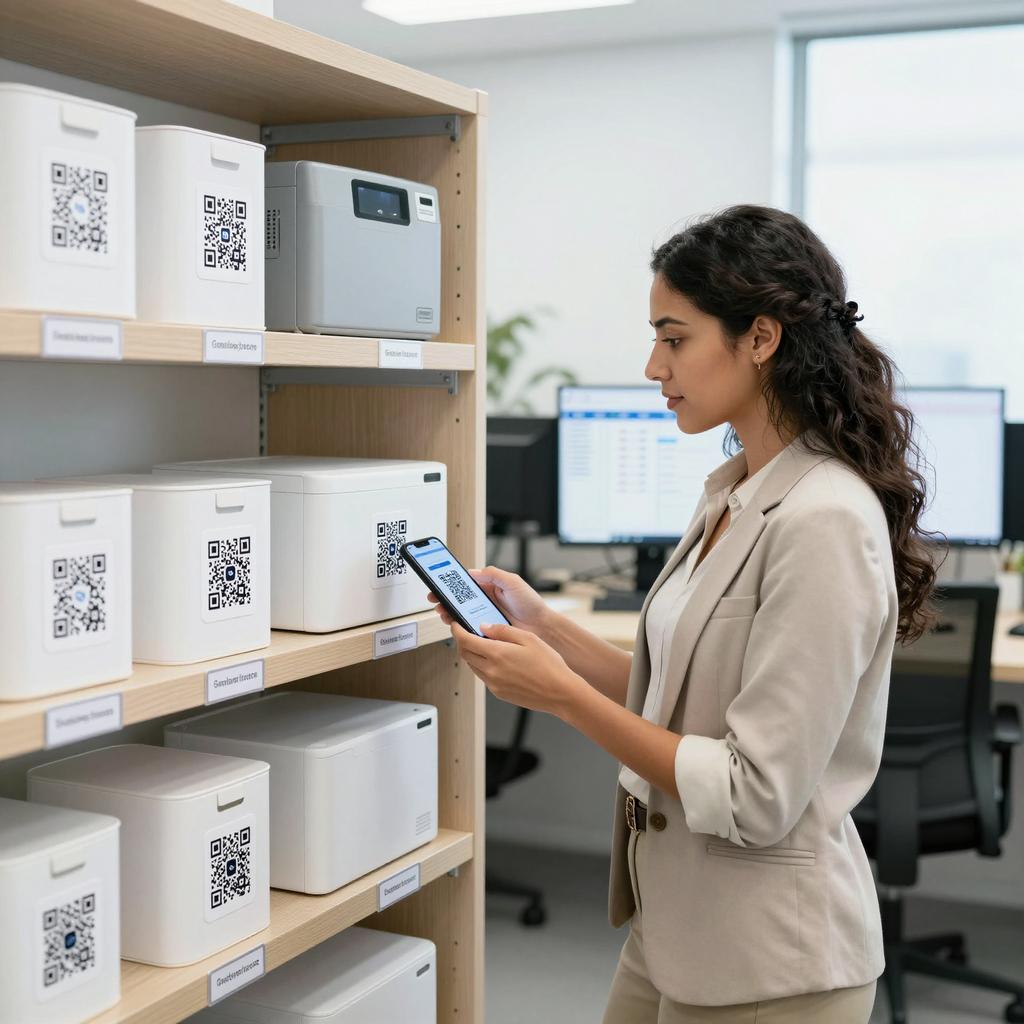
Packaging becomes a persistent portal—product storytelling, traceability, loyalty, and service all in one scan. GS1-backed implementations illustrate the impact: see GS1 UK’s QR code case studies in customer-first innovation and GS1 US’s Ship Bottom Brewery connected packaging case study. With standards-based QR, brands can route a single code to tailored destinations for consumers, retailers, and regulators, improving compliance, engagement, and sales enablement in one move.
Loyalty and service
Post-purchase, a scan can register product ownership, unlock tutorials, schedule service, or submit reviews—fueling a steady stream of consented, first-party data. AI turns these interactions into predictive service reminders, replenishment nudges, and personalized offers. For retailers, aisle-level QR codes can activate localized promotions and self-serve assistance, cutting friction while increasing conversion and attachment rates.
Risks, ethics, and trust
Governance and privacy
Trust is earned through privacy-by-design. That means explicit consent flows, clear value exchange, minimization of personally identifiable data, and robust security against QR phishing or spoofing. Research on scaling personalization responsibly, such as how generative AI can take customer personalization to the next level, reinforces the need for governance: human oversight of models, bias monitoring, safe content generation, and transparent opt-outs. Done right, AI elevates relevance without compromising ethics.
How to get started
A pragmatic roadmap
Start small with high-intent use cases—connected packaging for your top SKU or a QR-enhanced retail display. Use standards-based, dynamic QR codes integrated with your CDP/CRM to capture scan context and consent. Stand up a lightweight decisioning layer to personalize destinations, and define clear KPIs (scan-to-conversion rate, average order value lift, retention). Within 90 days, you can prove a revenue signal, then scale across channels. The takeaway: AI plus QR turns the physical world into a living canvas for modern marketing strategies—privacy-safe, measurable, and continuously optimized.