How QR Codes Help Businesses Gather Real-Time Analytics
Why QR codes are powerful for real-time analytics
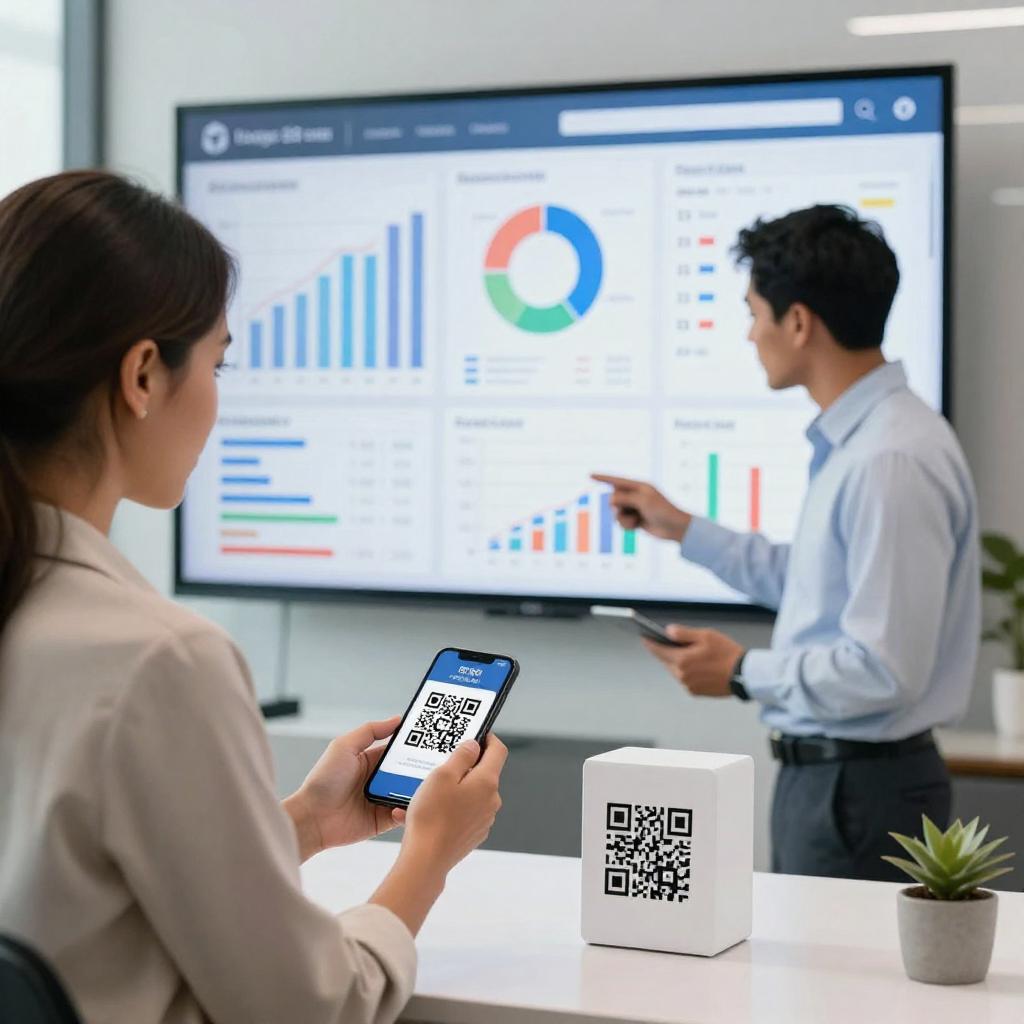
QR codes in business have evolved from simple scannable links to robust digital transformation tools that bridge offline experiences to measurable online outcomes. When a customer scans a code on packaging, signage, or direct mail, the interaction creates a data event your analytics stack can capture immediately—fueling modern marketing strategies with timely insights. As Harvard Business Review explains about QR codes’ resurgence, their value lies in connecting physical touchpoints to digital journeys that can be tracked, tested, and optimized.
Each scan can reveal context signals—timestamp, device type, approximate location, and campaign parameters—which you can visualize in real time through your analytics platform. By appending UTM parameters to QR destinations, brands can attribute traffic and conversions to specific placements (store posters, flyers, receipts) without guesswork. For a hands-on walkthrough, see Analytics Mania’s guide to tracking QR codes in GA4 with UTM parameters, which pairs perfectly with your broader measurement strategy.
How to design a QR program built for live measurement
Use dynamic, standards-based codes
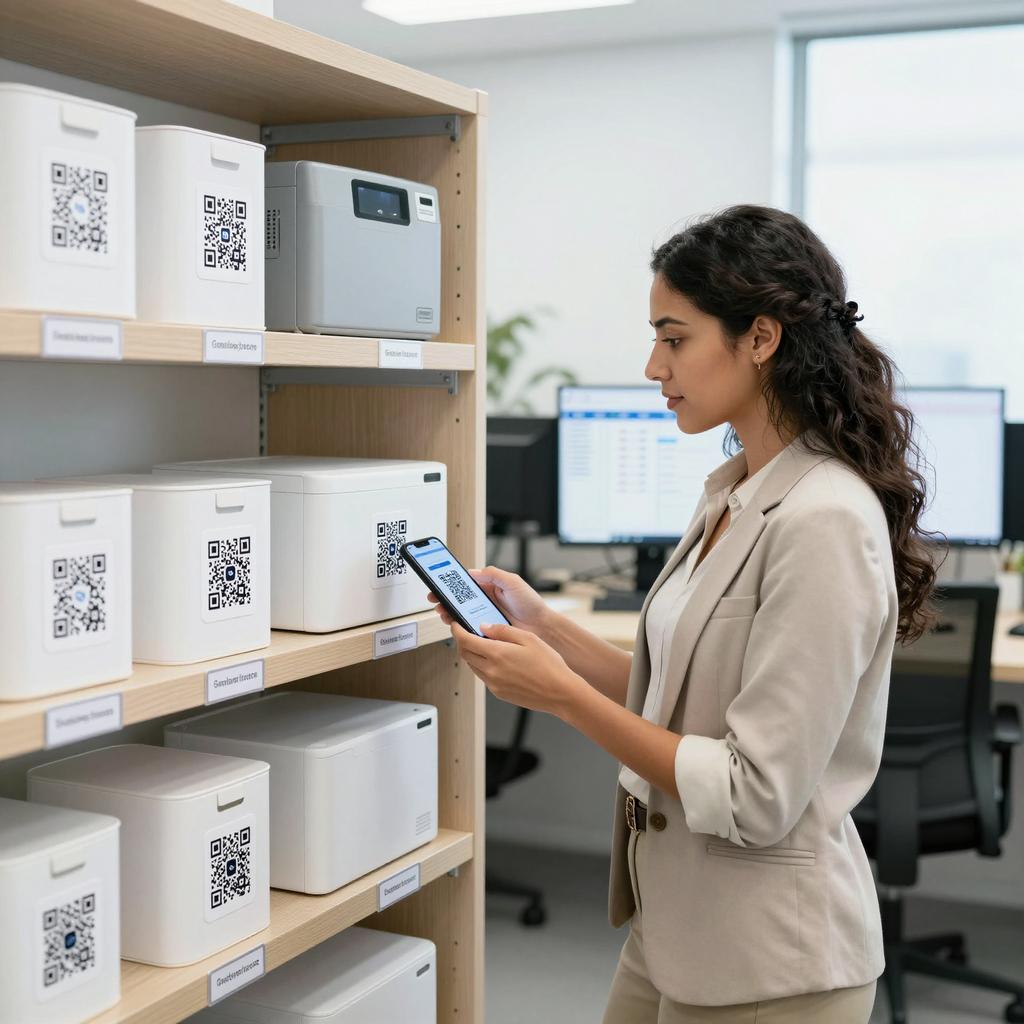
Static codes lock you into a single destination, but dynamic, standards-based approaches let you update content without reprinting. The GS1 Digital Link standard for brands enables resolvers and routing rules so the same printed code can serve different experiences by language, device, location, or lifecycle stage—while your dashboard captures scan analytics in real time. This standards-led approach future-proofs packaging, improves customer experience, and strengthens first-party data collection.
Tag every QR destination for attribution
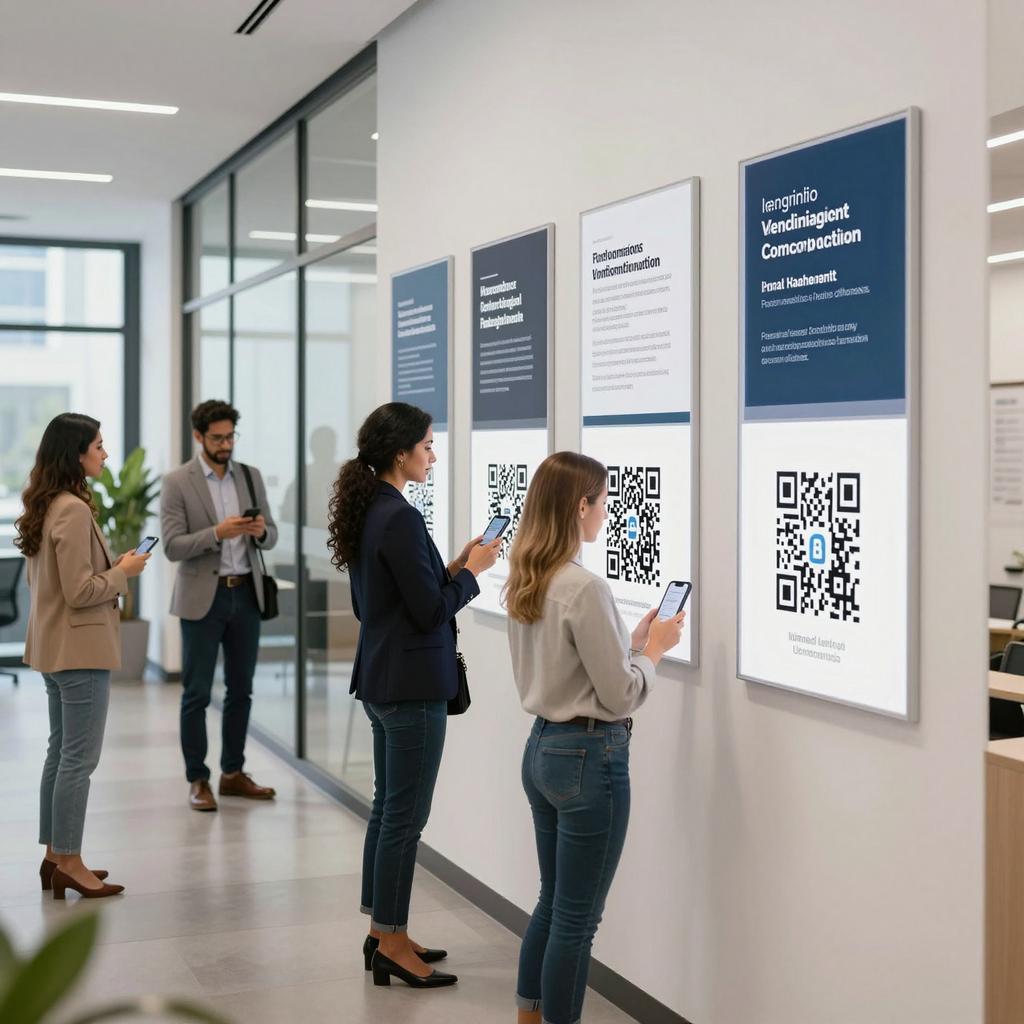
UTM discipline turns scans into actionable signals. Establish consistent naming for utm_source, utm_medium (e.g., qr_code or offline), and utm_campaign to isolate performance by channel, creative, and placement. Use utm_content to differentiate variants (e.g., store-window vs. shelf-talker). Clear taxonomy enables accurate reporting and faster optimization. For best-practice examples, review UTM tagging best practices for QR codes in Google Analytics to ensure clean data and reliable attribution.
Close the feedback loop in minutes
Because QR scans arrive as live traffic, you can pivot creative, offers, or landing pages the same day. If one product label drives high scans but low conversions, test a new hero image or shorter form and watch the metrics respond. If weekend scans spike by location, shift inventory or staffing in those stores. Treat QR as a fast-learning channel—monitor heatmaps, scan velocity, and device mix to make on-the-fly adjustments that compound results.
What metrics to watch (and how to act on them)
Context and quality of scans
Monitor unique scans, repeat scans, and scan-to-visit rate to gauge true reach and engagement quality. Layer in context—time of day, geography, and device—to detect patterns (e.g., lunchtime spikes near offices or evening bursts in suburban areas). Use these insights to tailor offers and publishing schedules, and to inform where QR codes perform best across your omnichannel footprint.
Conversion and revenue impact
Track post-scan behavior: bounce rate, scroll depth, microconversions (email signup, coupon save), and primary conversions (purchase, appointment). Tie scans to revenue with server-side events or offline conversion upload if sales close later. Segment results by placement and creative to pinpoint the highest-ROI QR surfaces and replicate them across regions and formats.
Governance, privacy, and CX
Respect privacy by focusing on aggregated metrics and transparent consent where required. Reduce friction with best practices: high-contrast codes, short URLs for fast load, clear value propositions, and mobile-first landing pages. When QR codes are implemented with measurement rigor and customer-centric design, they become essential modern marketing strategies—revealing what works in the moment and empowering teams to act on it. The takeaway: treat QR as a live, data-rich bridge between the physical and digital, and you’ll turn every scan into measurable business impact.