Using QR Codes to Enhance NGO and Charity Campaigns
Why QR codes belong in every nonprofit marketing toolkit
NGOs and charities are competing for attention in an always-on world, and donors expect instant, secure, mobile-first experiences. QR codes bridge that gap, turning real-world touchpoints into measurable digital journeys in seconds. As familiar QR scanners are now built into phone cameras, these simple squares have become powerful digital transformation tools—helping organizations move from awareness to action and aligning with modern marketing strategies used for QR codes in business.
Frictionless giving at the moment of inspiration
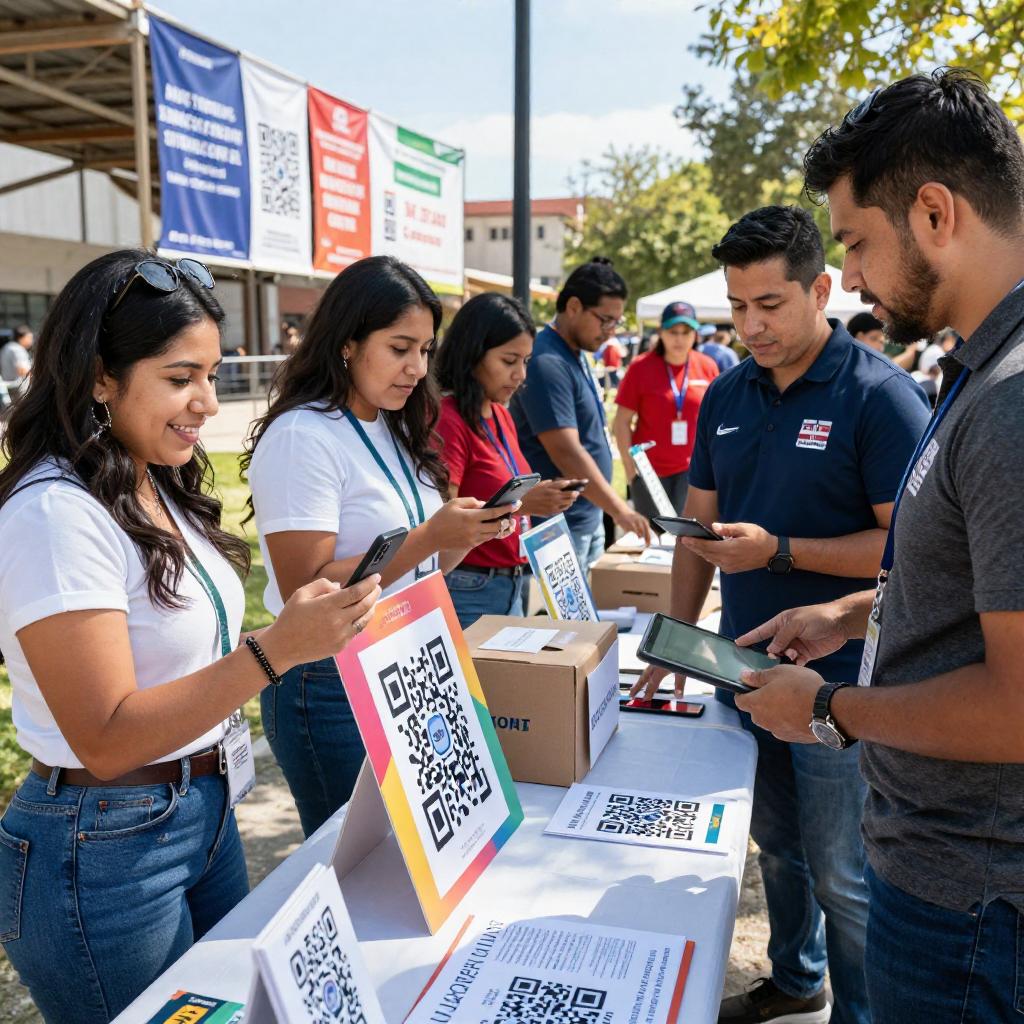
Whether on a poster, event badge, table tent, or volunteer T-shirt, a well-placed QR code converts interest into impact without typing URLs. Short, mobile-optimized donation flows, pre-filled amounts, and express pay options minimize drop-off. In practice, UNICEF USA peer-to-peer fundraisers can generate QR codes that link directly to donation pages, making it easy for supporters to give on the spot during school drives, community events, or corporate match days.
From print to pixel: bridging offline and online touchpoints
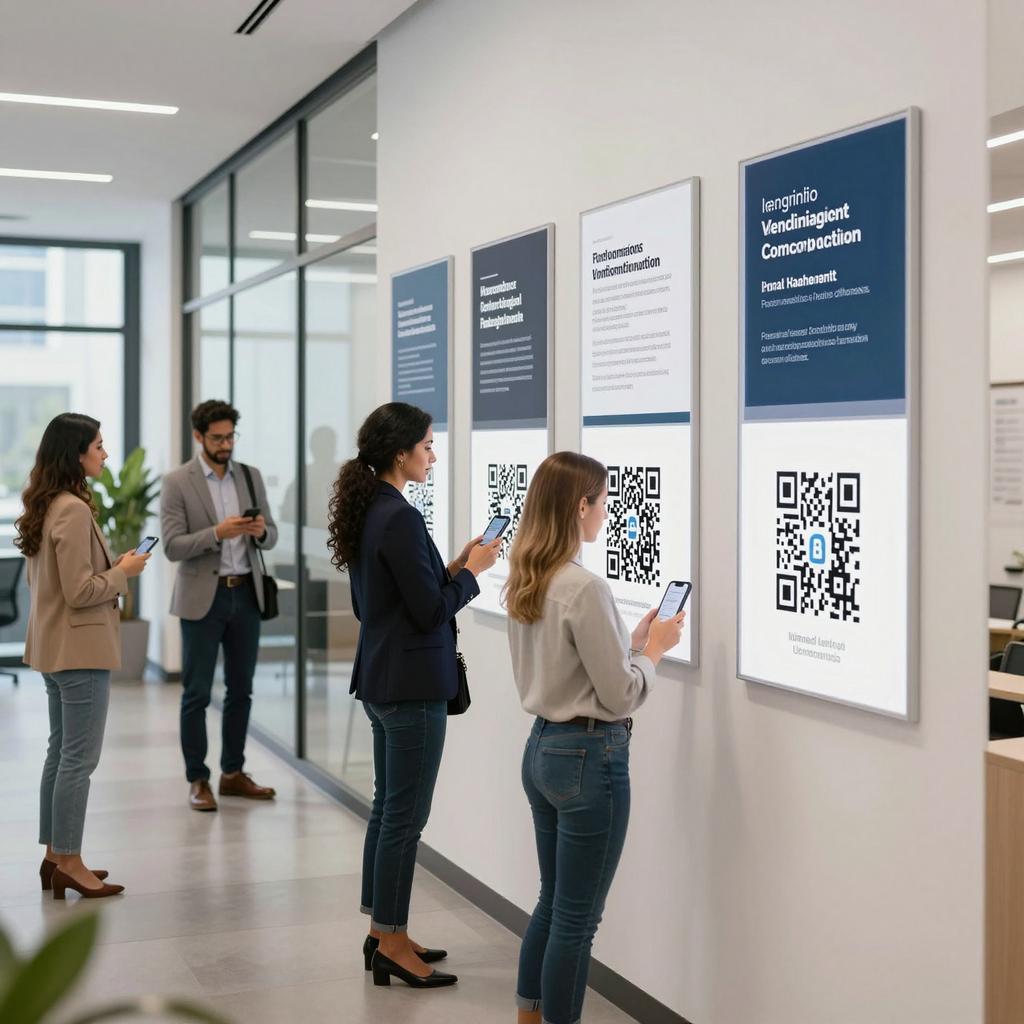
QR codes connect direct mail, bill inserts, brochures, and outdoor media to rich digital storytelling—impact videos, localized appeals, or volunteer sign-ups. Dynamic QR codes let you update destinations mid-campaign and track which placements convert best. For a sector-focused overview and creative use cases, review Charity Digital’s guide on using QR codes for fundraising, which highlights how charities are turning print into performance channels.
Accountability and beneficiary-centric design
QR codes also strengthen program delivery and transparency. Beyond donations, they can verify eligibility, streamline aid distribution, or surface multilingual resources. For example, IFRC’s DIGID digital wallet case study shows QR-enabled identity supporting cash assistance and service access. While this is operational rather than donor-facing, it underscores how QR technology can bolster trust and accountability—value propositions that resonate deeply with institutional funders and public donors alike.
How to deploy QR codes responsibly and effectively
Start with strategy. Define the single action your audience should take (donate, sign up, pledge), then map the shortest path to completion. Use clear calls to action (“Scan to donate in 10 seconds”), place codes at eye level, and follow design best practices: adequate size, strong contrast, a quiet zone, and a short, branded URL beneath for accessibility. Whenever possible, use dynamic QR codes for post-print edits and A/B testing, and publish a brief privacy note when data is captured.
Conversion-focused destination experiences
Optimize the landing experience for speed, clarity, and trust. Pages should load in under two seconds, default to mobile layouts, and offer one-tap options like Apple Pay and Google Pay. Pre-select suggested donation amounts, auto-detect locale and language, and highlight impact per gift tier. Instrument each code with UTM parameters so you can attribute revenue by channel, creative, and location. After conversion, trigger instant receipts and offer a next best action—monthly giving, event RSVP, or advocacy.
Conclusion: QR codes as a practical digital transformation tool
QR codes are cost-effective, flexible, and measurable—making them ideal for NGOs modernizing their fundraising mix with modern marketing strategies. They bring the best of QR codes in business to the social sector: lower friction, better data, and omnichannel cohesion. Campaigns like Key Club’s Trick-or-Treat for UNICEF campaign introduced contactless QR donation boxes demonstrate how a simple scan can unlock scalable giving. Start small: pilot two or three QR-enabled moments across print and events, track conversion rigorously, and iterate. The takeaway is clear—QR codes are a practical on-ramp to digital transformation tools that turn everyday moments into measurable impact.