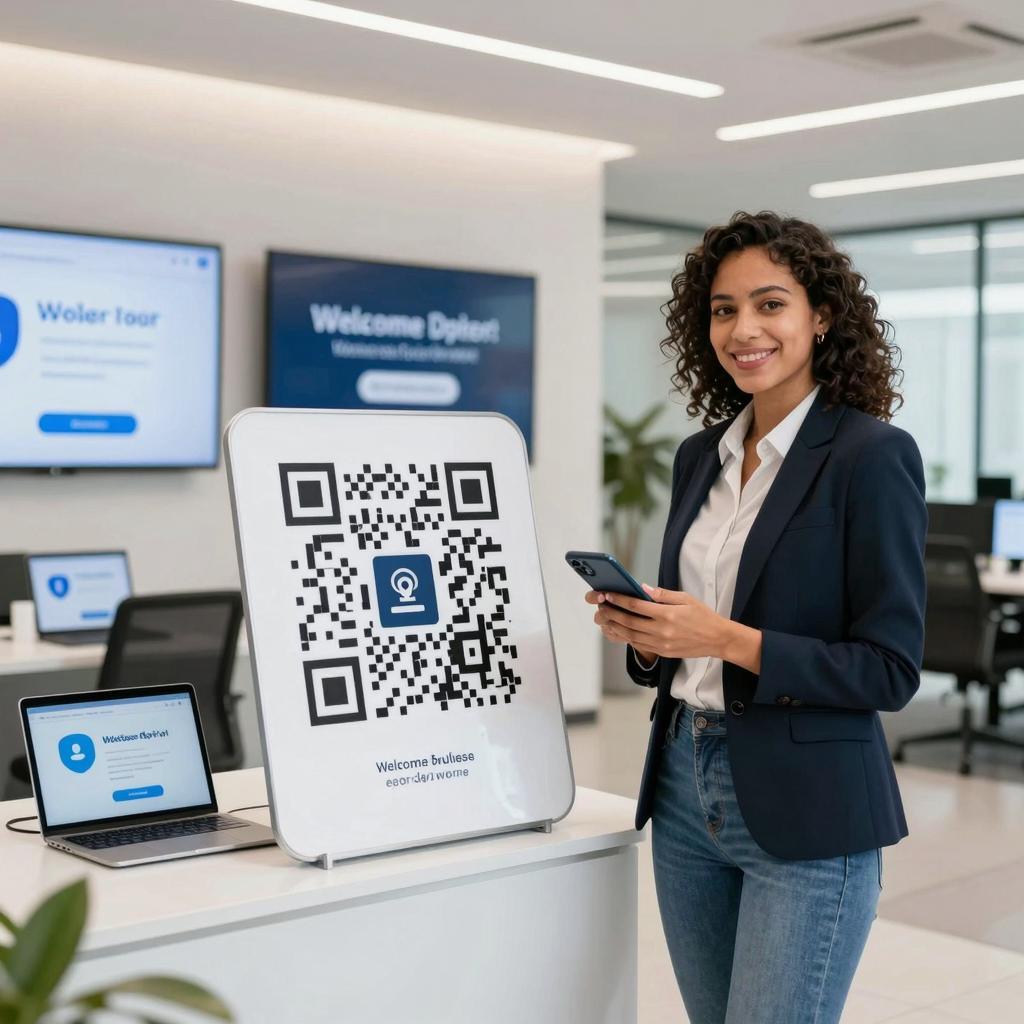
QR Codes for Gyms: Member Check-In and Reward Systems
QR codes have moved from novelty to necessity in fitness, becoming one of the most practical digital transformation tools for automating member check-in and powering reward programs. For operators, they streamline access control, unify data, and fuel modern marketing strategies; for members, they deliver a fast, contactless experience that fits naturally into daily routines. This article explains why QR codes in business—specifically gyms—work so well, how to implement them securely, and how to turn every scan into measurable loyalty and revenue.
Why QR codes fit gyms now
Mobile-first behaviors, the need for contactless experiences, and the falling cost of camera-based scanners make QR codes a timely upgrade to legacy key tags and swipe cards. They’re flexible (usable on phones and wearables), easy to deploy across multi-location footprints, and integrate cleanly with cloud membership systems. As highlighted in IHRSA’s analysis of mobile-first operations, many clubs now enable app-based entry with built-in QR functionality to reduce friction and plastic card waste (IHRSA analysis on mobile app check-ins and QR code functionality).
Frictionless member check-in
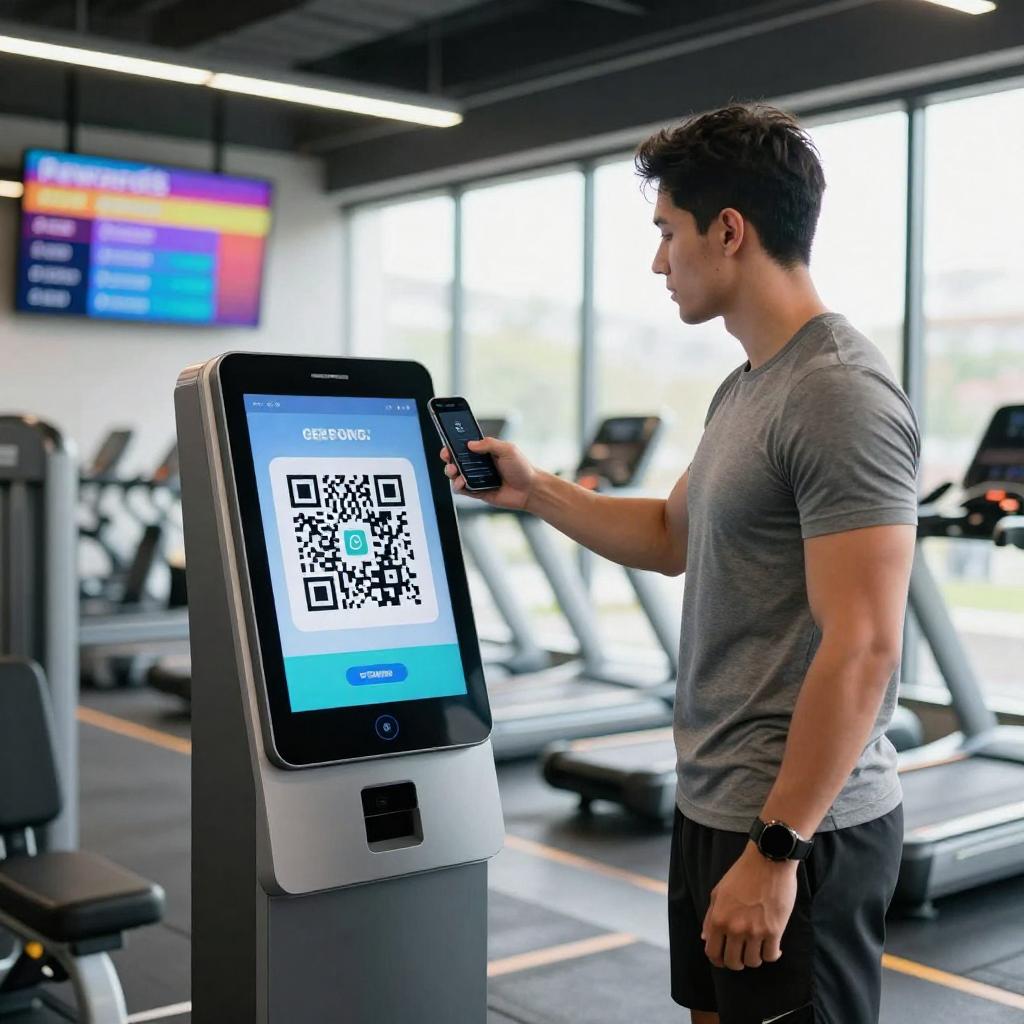
Operationally, QR code entry shortens lines, reduces front-desk workload, and improves throughput at peak times. Members present a code; the scanner validates status; the turnstile or door unlocks—no fumbling, no reprints. Staff can then focus on service instead of gatekeeping. Industry event coverage shows how access tech is evolving to support contactless flows and member identification across the floor (IHRSA 2023 technology showcase coverage), underscoring why QR-based entry is now standard in modern clubs.
Secure, standards-based passes in Apple and Google Wallet
For a scalable, secure rollout, issue membership and loyalty credentials as Wallet passes. Apple’s PassKit defines a signed pass bundle with embedded barcodes/QR that you can update or revoke centrally (Apple Wallet “Building a Pass” documentation). On Android, Google Wallet’s Loyalty Objects natively support QR_CODE payloads, point balances, and program tiers—ideal for gym rewards (Google Wallet loyalty pass implementation guide). Using these standards reduces fraud (no screenshot reuse when you rotate payloads), simplifies distribution, and enables real-time status changes.
Turning check-ins into loyalty and revenue
Once check-ins are digitized, you can reward behaviors that drive retention: points per visit, streak bonuses, class attendance milestones, referrals, and off-peak visits. Tie QR scans to automated incentives—free PT consults after 10 visits, tiered perks for monthly consistency, or partner offers redeemable via the same code. This connects access control to modern marketing strategies like lifecycle messaging, personalized offers, and win-back campaigns, transforming everyday scans into trackable engagement.
Implementation blueprint
Start with a unique, non-guessable identifier per member; embed it in a QR payload that your backend validates at the door. Issue Apple and Google Wallet passes through your app or email; sign Apple passes and use issuer keys for Google. Configure scanners at entry points (desk, turnstiles, studio doors) and enable offline-safe validation with short-lived tokens plus a cache of recent entitlements. Integrate your membership system and CRM to post check-ins to profiles, trigger rewards, and update Wallet passes. Add safeguards: rate limits, rotating payloads, device binding where applicable, and clear privacy controls for members.
Metrics that matter
Track check-in speed (seconds per entry), abandonment (walkaways at peak), successful validations vs. rejects, and average visits per member per month. For loyalty, monitor points earned/redeemed, streak completion, class fill rates, and retention at 30/90/180 days. Tie it to revenue with simple ROI: incremental visits × average ancillary revenue (PT, smoothies, retail) minus system cost. Use controlled pilots to A/B test offers triggered by scans (e.g., post-workout recovery promos) and iterate on what lifts engagement.
Common pitfalls and how to avoid them
Avoid static QR codes that never rotate (easy to screenshot), scanners that can’t read under cracked screens, and systems that fail offline. Don’t launch without staff training, signage at entry, or a privacy notice explaining what scan data powers (and what it doesn’t). Most importantly, align rewards with business goals: reward consistency and community, not just check-in volume. Done right, QR codes in business aren’t a gadget—they’re a durable bridge between operations and marketing. Start with one location, one clear reward, and one clean integration; then scale what proves retention and revenue, one scan at a time.