QR Codes for Museums and Exhibitions: Enhancing Learning
Why QR codes are strategic for museums
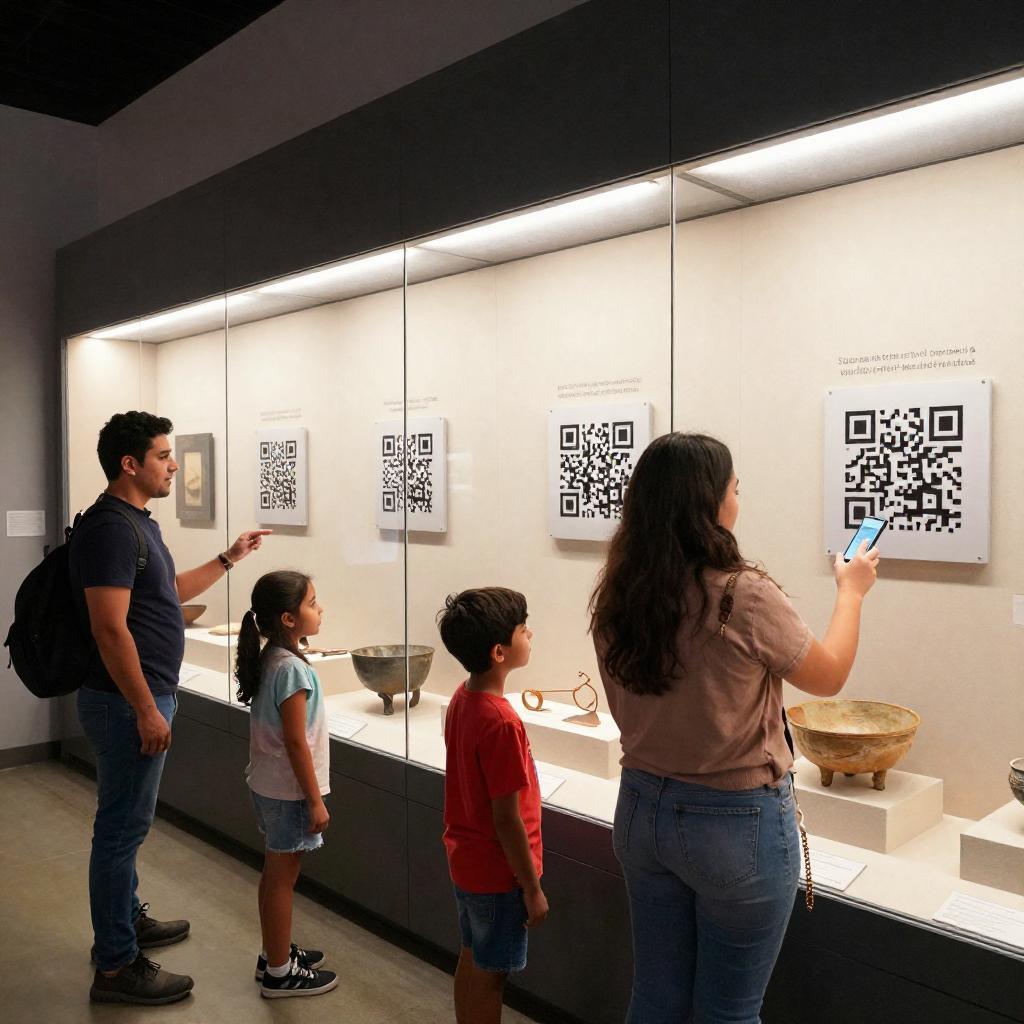
QR codes have matured from a pandemic necessity into a dependable digital transformation tool that links physical galleries to rich, on-demand content. For museums and exhibition organizers, this low-cost, low-friction technology strengthens interpretation, drives measurable engagement, and supports modern marketing strategies—without forcing a full rebuild of infrastructure. When implemented with intention, QR experiences extend the story beyond a label, reduce printing costs, create new data signals, and align with broader goals for accessibility, sustainability, and audience development commonly seen with QR codes in business.
From passive viewing to active learning
Great exhibitions help visitors move from seeing to understanding. QR-enabled microlearning—short, layered content triggered in context—nudges that shift. A visitor can scan for a 60-second explainer, dive deeper with curator commentary, or explore a related object nearby. This choice-based path respects different knowledge levels and attention spans, improving recall and satisfaction while increasing dwell time around priority works. The result is a more active, inquiry-driven visit that complements docent tours and traditional labels.
Accessibility, multilingual content, and inclusion
QR delivery expands access by offering audio descriptions, transcripts, large-type PDFs, and multiple languages on the visitor’s own device—removing barriers and accommodating varied needs. Practical, field-tested ideas are outlined in the American Alliance of Museums’ guidance on leveraging smartphone technology in museums, from touchless info to maps and surveys. For teams seeking quick wins, see AAM’s four inexpensive ways to use QR codes to engage patrons, which highlight inclusive content formats that deepen learning while keeping budgets in check.
Designing a high-impact QR content model
Start with a tiered structure: a 30-second overview for casual scanners, a 90-second story for engaged visitors, and a 180-second deep dive for enthusiasts or educators. Keep language clear, use narrative hooks (questions, contrasts, “did you know?”), and add visual aids that labels cannot accommodate—zoomable images, conservation timelines, and process videos. For each scan point, define a single learning objective and a clear next action (explore related work, take a mini-quiz, bookmark for later, or share with a class).
Content types that drive engagement and revenue
High-performing QR experiences blend interpretation with utility. Consider curator audio notes, behind-the-scenes clips, artist interviews, restoration before/after sliders, interactive maps, and family-friendly scavenger prompts. Thoughtful pathways can also support earned revenue—link to a related catalog, invite a timed talkback, or prompt membership when interest peaks—folding QR into modern marketing strategies that respect mission and visitor intent.
Data, privacy, and measurable outcomes
QR experiences generate actionable metrics: scan-through rates, content completion, path flows between objects, and post-visit re-engagement. Add UTM parameters to distinguish signage locations, A/B test calls to action, and pair scans with short, optional surveys for qualitative insight. Balance analytics with trust—offer clear consent, minimize data collection, and align with privacy standards. Done well, this produces decision-grade insight into what visitors learn and value, not just what they see.
Implementation playbook and examples
Run a focused pilot (one gallery, five QR points) to validate content length, signage placement, and device compatibility. Standardize your visual system (icon, color, short URL under the code), use dynamic QR management for easy updates, and create a lightweight governance plan for content reviews. For real-world implementations and sector lessons, see MuseumNext analysis on how QR codes benefit museums, which discusses multilingual content, AR pilots, and personalization tactics that sustain learning across diverse audiences.
Future-ready integrations: AR, beacons, and personalization
QR codes are a pragmatic gateway to more advanced layers—augmented reality overlays for process reconstructions, beacon-triggered wayfinding, or personalized trails that adapt to interests. As museums modernize their stacks, QR can remain the first-mile connector: simple to deploy, analytics-friendly, and beloved by visitors for its immediacy. The takeaway for leaders: treat QR as a strategic, measurable bridge between exhibition storytelling and the broader ecosystem of digital transformation tools—and a durable pillar of modern marketing strategies that elevate learning, access, and impact.