Using QR Codes to Share Medical Reports Securely
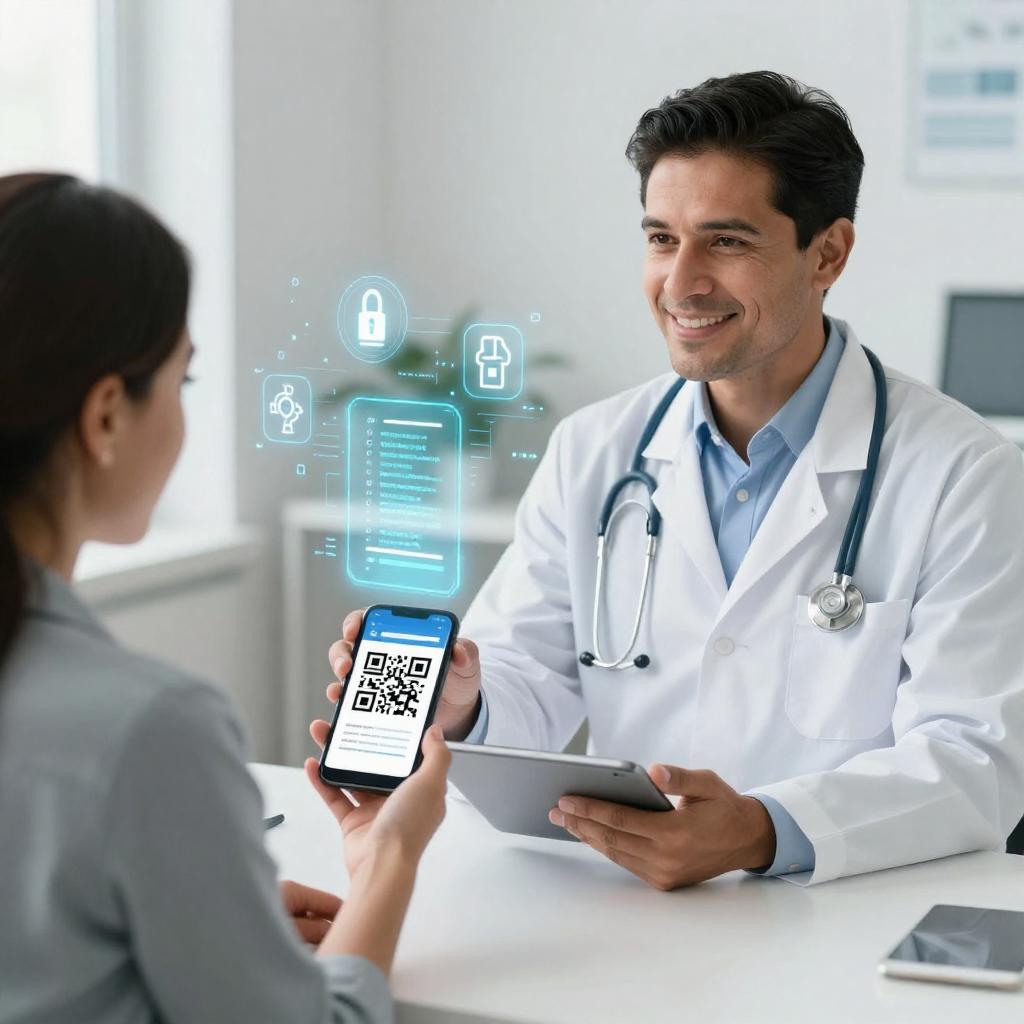
QR codes are quietly becoming one of the most practical digital transformation tools in healthcare, offering fast, touch-free access to lab results, imaging, and discharge summaries. Yet in a world where QR codes in business and modern marketing strategies are everywhere, healthcare leaders must meet a higher bar: safeguarding protected health information (PHI) while preserving convenience. The good news is that with the right controls, QR-enabled report sharing can be both secure and seamless.
Why QR Codes Fit Healthcare Workflows
From bedside to back office, QR codes reduce friction by turning paper handouts, email notifications, and kiosk screens into simple entry points for patient portals or secure viewers. For busy clinics, they shorten support calls and reduce duplicate requests, while patients appreciate instant access on their own devices. This is the same usability that powers QR codes in business, but tuned for clinical contexts—short-lived links, verified domains, and strong identity checks—so the experience supports care without compromising data.
Balancing Convenience and Compliance
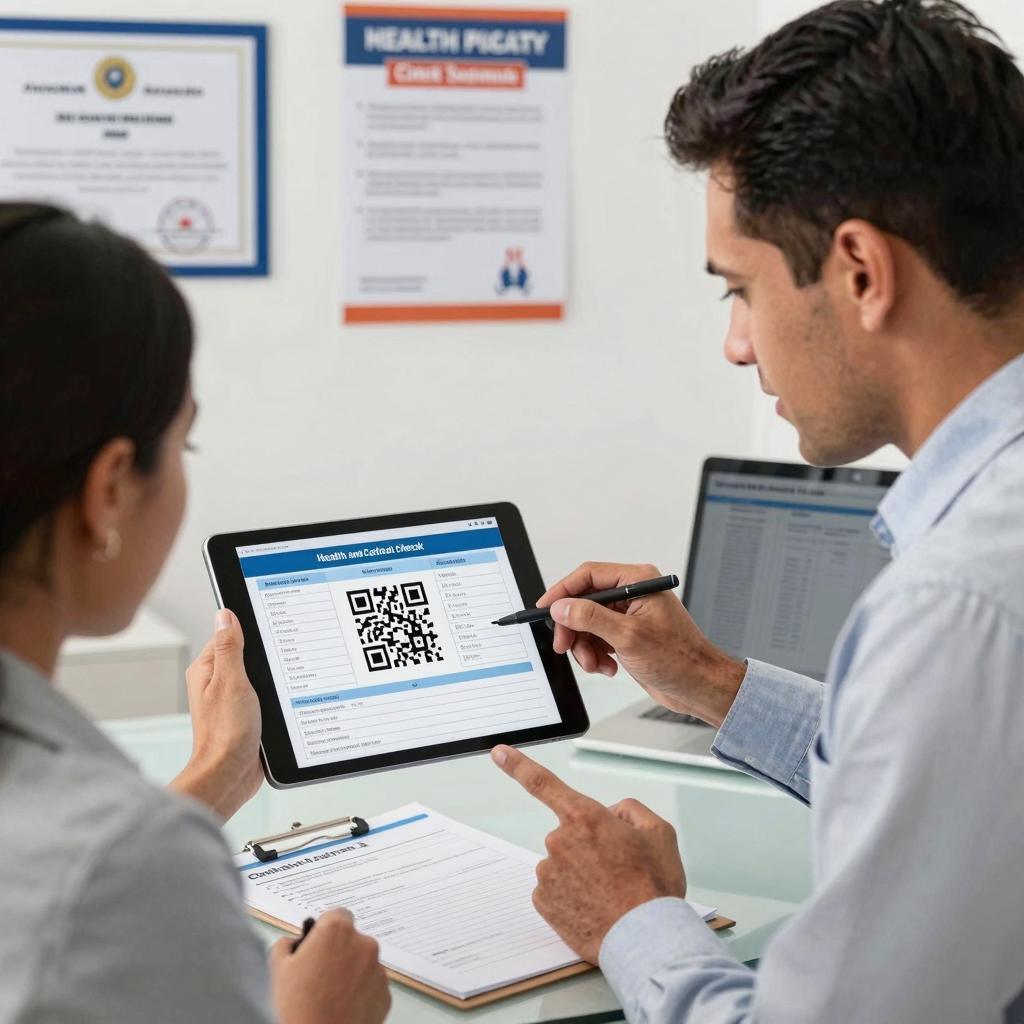
The golden rule is to keep PHI out of the QR image itself. A QR code should reference a secure endpoint, not embed names, dates of birth, or results. Use dynamic, revocable URLs that expire quickly, ideally bound to a specific user session and device. Pair this with strong authentication and audit trails to align with HIPAA expectations while maintaining a patient-friendly flow.
Core Security Principles for QR-Enabled Report Sharing
Treat the QR as a convenience layer over a robust identity and access management stack. Use risk-based authentication, step-up MFA for sensitive views, and session lifetimes that reflect the sensitivity of medical reports. NIST’s guidance in the Digital Identity Guidelines (SP 800-63B) provides a clear blueprint for authentication strength, recovery, and session management that can be applied to patient portals and report viewers.
Protect the Link, Not the Image
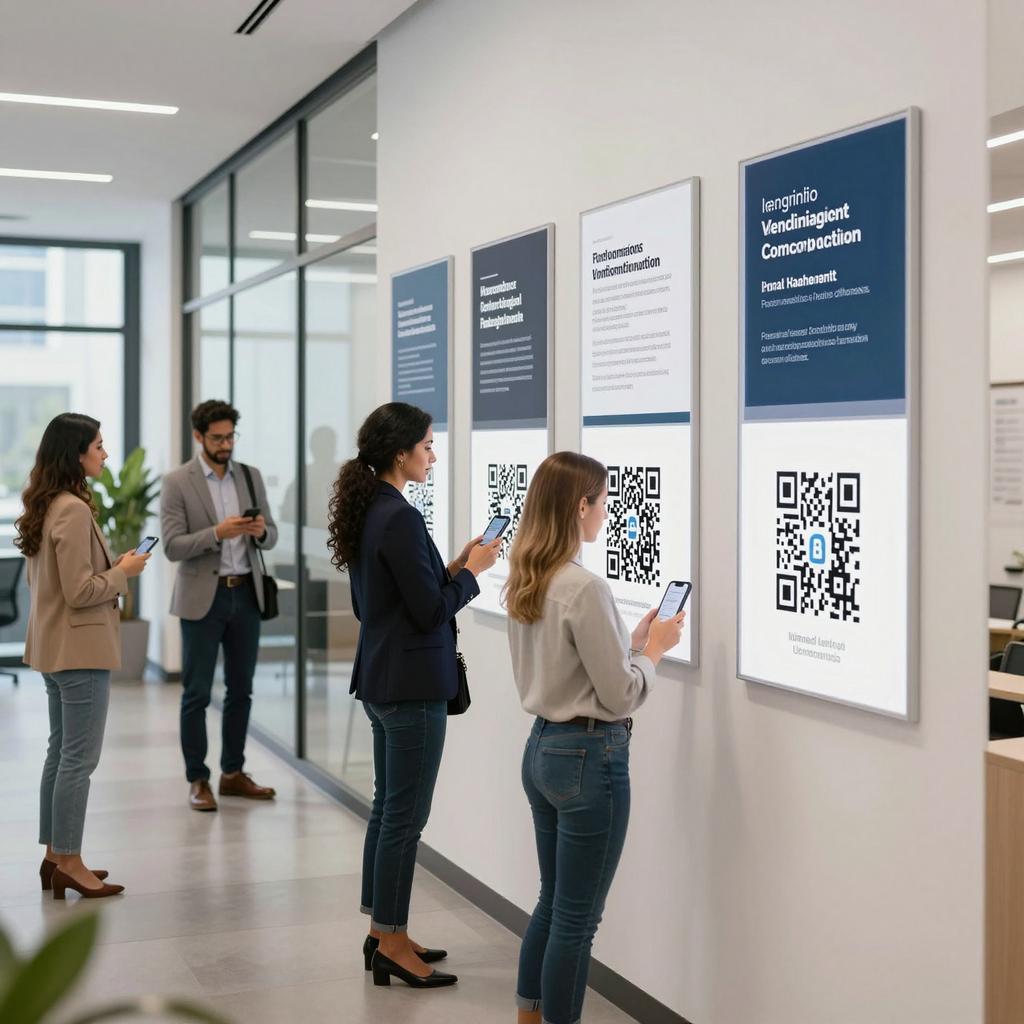
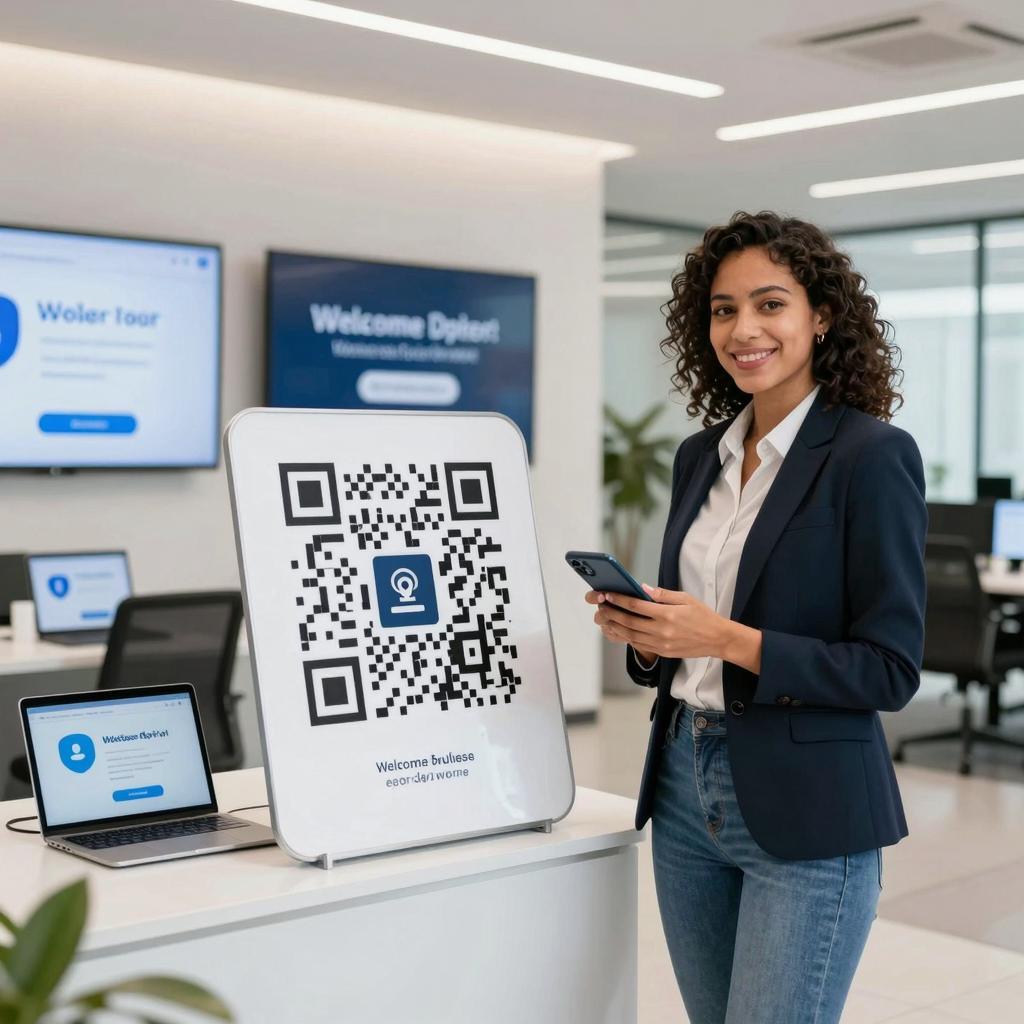
Static QR codes are easy to copy and reuse; prefer dynamic codes that resolve to short-lived, signed URLs with strict server-side authorization. Enforce TLS, validate tokens on each request, and invalidate on first use when appropriate (e.g., single-view documents). If a code is displayed in public (e.g., discharge desk signage), bind access to a known patient context by requiring login before reveal and by gating sensitive actions behind MFA.
Harden the Scanning Experience
Mobile devices and scanning behavior are part of your security surface. Encourage built-in camera scanning with URL previews and disable auto-open where possible; instruct staff and patients to verify domain names before proceeding. The Canadian Centre for Cyber Security guidance on QR code security offers practical steps: check for tampering, avoid third-party scanner apps, and monitor for malicious lookalike codes around your premises.
Train Against Quishing and Social Engineering
Attackers increasingly use “quishing” (QR phishing) to lure users into credential theft or malware. Train staff and patients to distrust unsolicited QR codes in emails, posters, or parking lots—even those that impersonate your brand. ISACA’s analysis of quishing threats outlines tactics and policy controls you can adapt, including domain allowlists, user prompts, and clear reporting channels.
Implementation Blueprint for Healthcare Teams
Start with the use case (e.g., lab results) and design backward: no PHI in the QR, dynamic codes, signed short-TTL links, portal login with MFA, and comprehensive logging. Standardize on verified domains and consistent UX cues so patients recognize legitimate flows borrowed from modern marketing strategies but executed with clinical rigor. Add monitoring for code misuse, create a takedown plan for spoofed signage, and include quishing scenarios in your tabletop exercises. Done well, QR codes become trustworthy digital transformation tools that deliver speed for patients and certainty for compliance—proving that convenience and security can reinforce one another in everyday care.