How Educational Institutions Use QR Codes for Engagement
Why QR Codes Have Become Essential Digital Transformation Tools on Campus
QR codes have evolved from novelty to necessity, becoming accessible digital transformation tools that bridge the gap between physical spaces and digital experiences in education. As institutions seek measurable engagement with students, faculty, and visitors, QR workflows deliver instant access to resources, surveys, and services—without friction. The momentum is clear in sector guidance like EDUCAUSE’s 8 Ways to Use QR Codes in Higher Education Classrooms, where QR use supports active learning while aligning with modern marketing strategies and the pragmatic language of QR codes in business.
From Posters to Portals: Bridging Physical and Digital Experiences
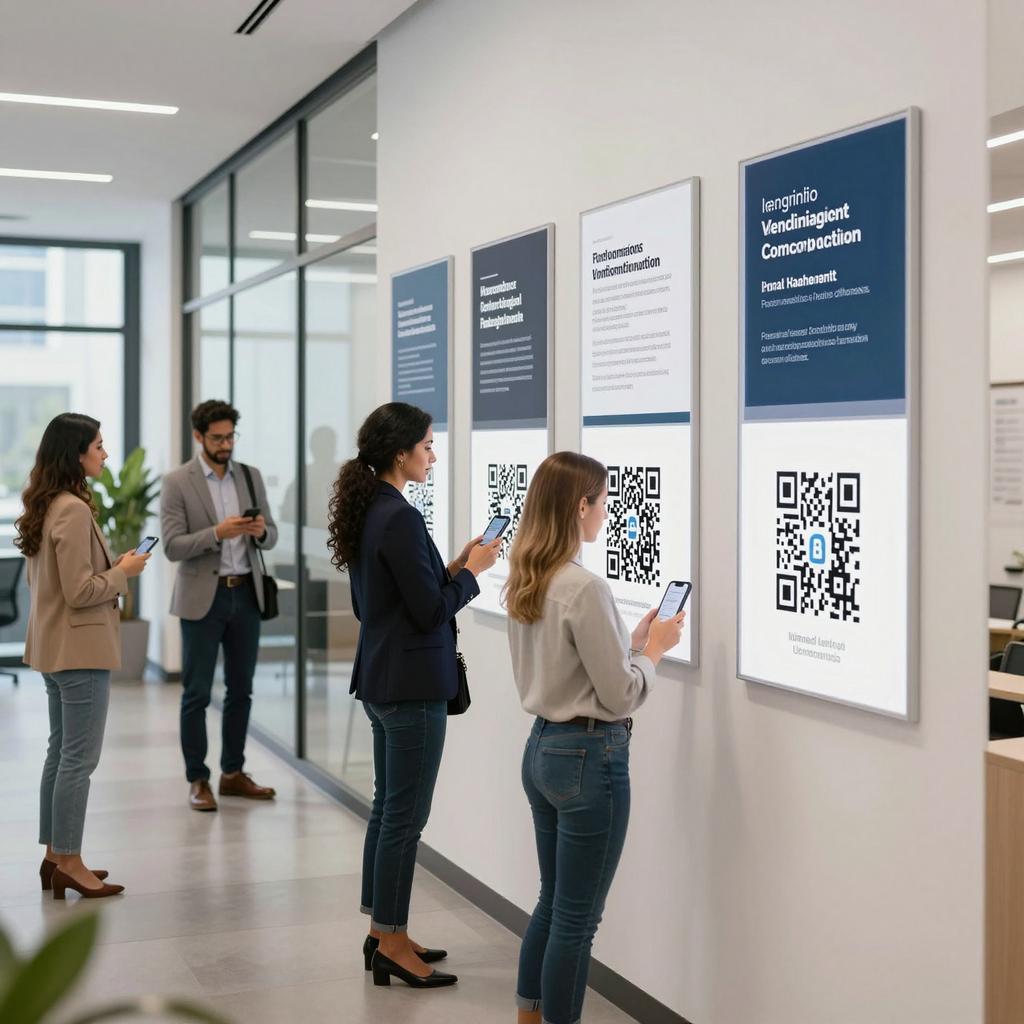
Today’s campuses run on moments: the poster for a guest lecture, the signage for a new exhibit, the handout at orientation. A QR code turns each of these touchpoints into an actionable portal—students scan, engage, and convert (to RSVP, download, or explore) in seconds. This approach takes the best of modern marketing strategies—clear CTAs, streamlined journeys, and consistent branding—and applies them to education, ensuring every flyer, kiosk, and classroom slide becomes an interactive experience with trackable outcomes.
Safety, Access, and Real-Time Updates
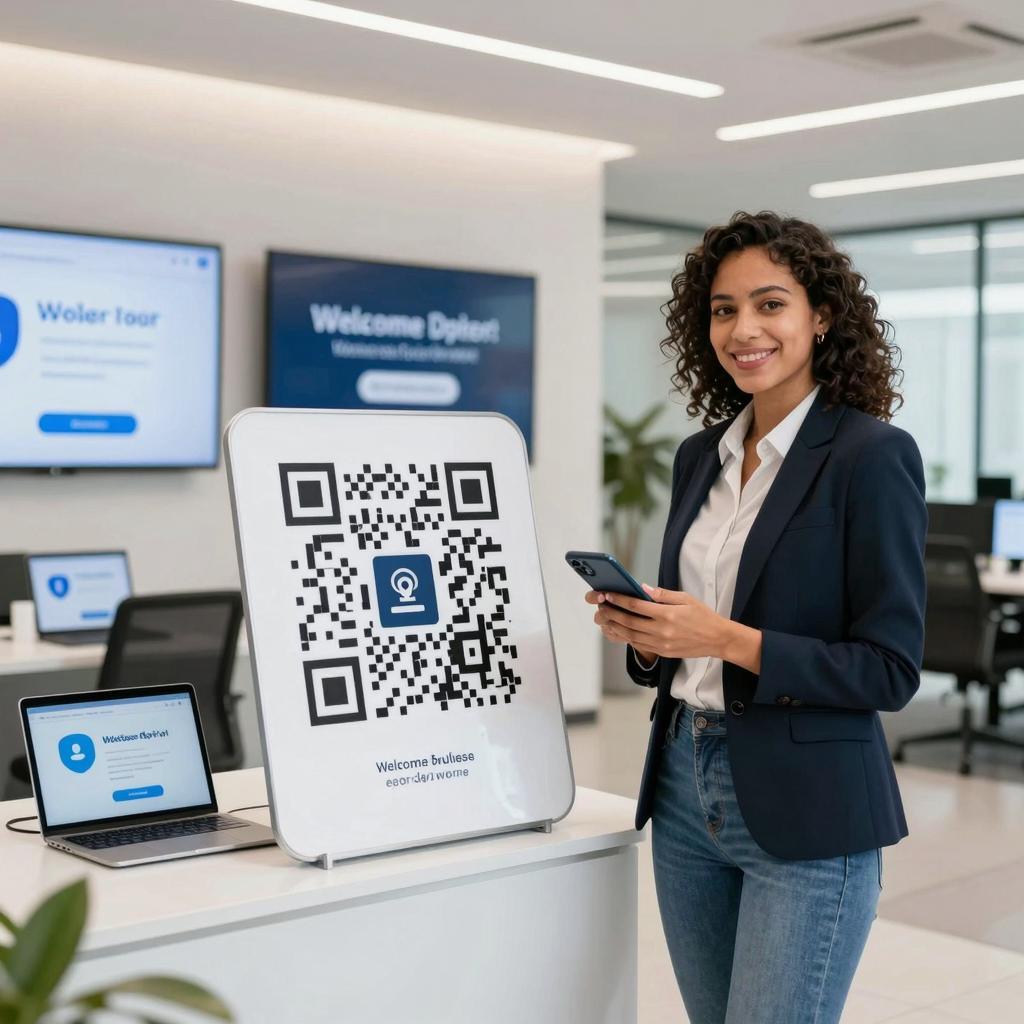
Beyond teaching, QR codes strengthen campus operations: wayfinding on large campuses, real-time alerts for event changes, instant access to building policies, or rapid feedback on services. When paired with short, purpose-built landing pages, they reduce confusion and empower safe, inclusive navigation. With dynamic QR management, institutions can update content without reprinting, ensuring information stays current and compliant—an essential capability for agile campuses that operate at the pace of student demand.
Practical Use Cases Across Teaching, Libraries, and Student Services
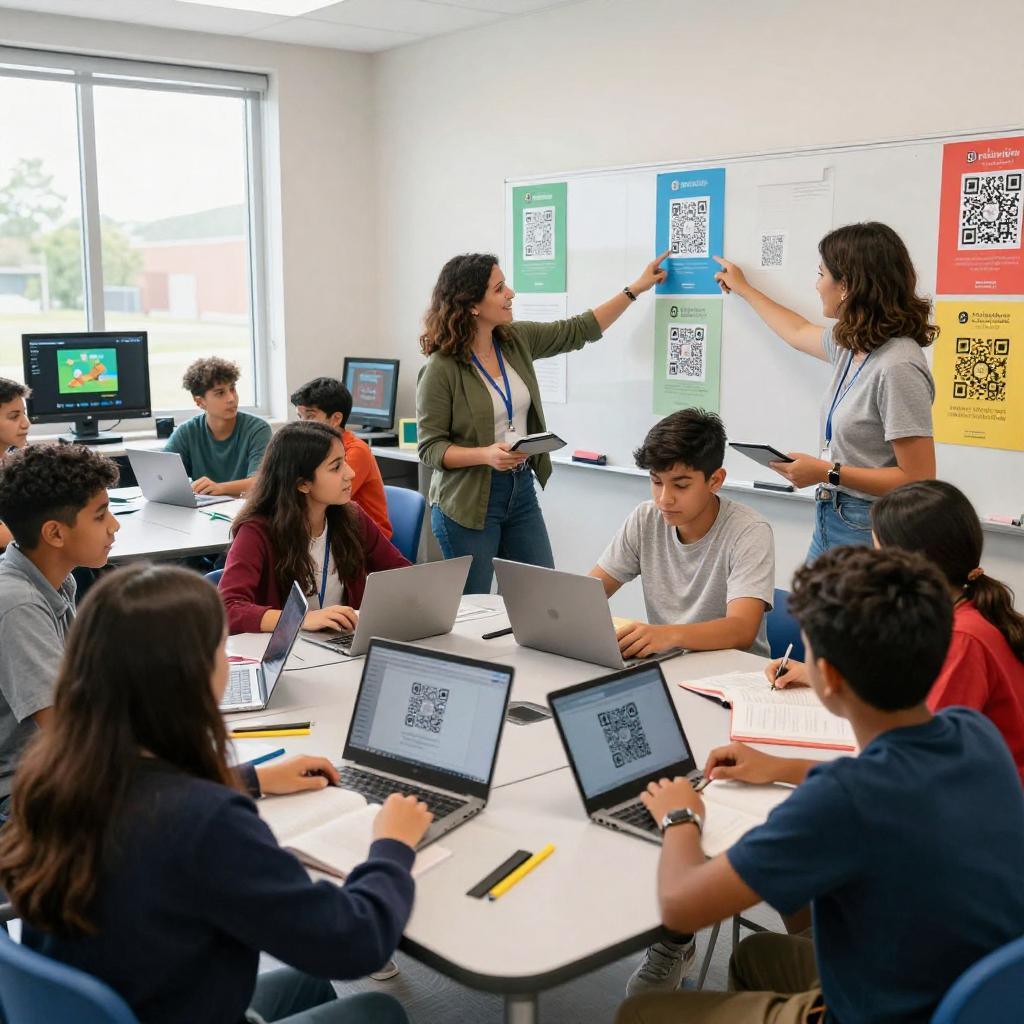
In the classroom, QR codes accelerate active learning: warm-up polls, micro-feedback loops, quick-resource access, and seamless attendance. They also scaffold assignments by linking to rubrics, exemplars, or citations at the moment of need. For a practical playbook, see EDUCAUSE’s session on Using QR Codes to Design Engaging Student Learning Experiences, which demonstrates how scanning creates low-friction pathways to content, collaboration, and reflection.
Libraries and Resource Discovery
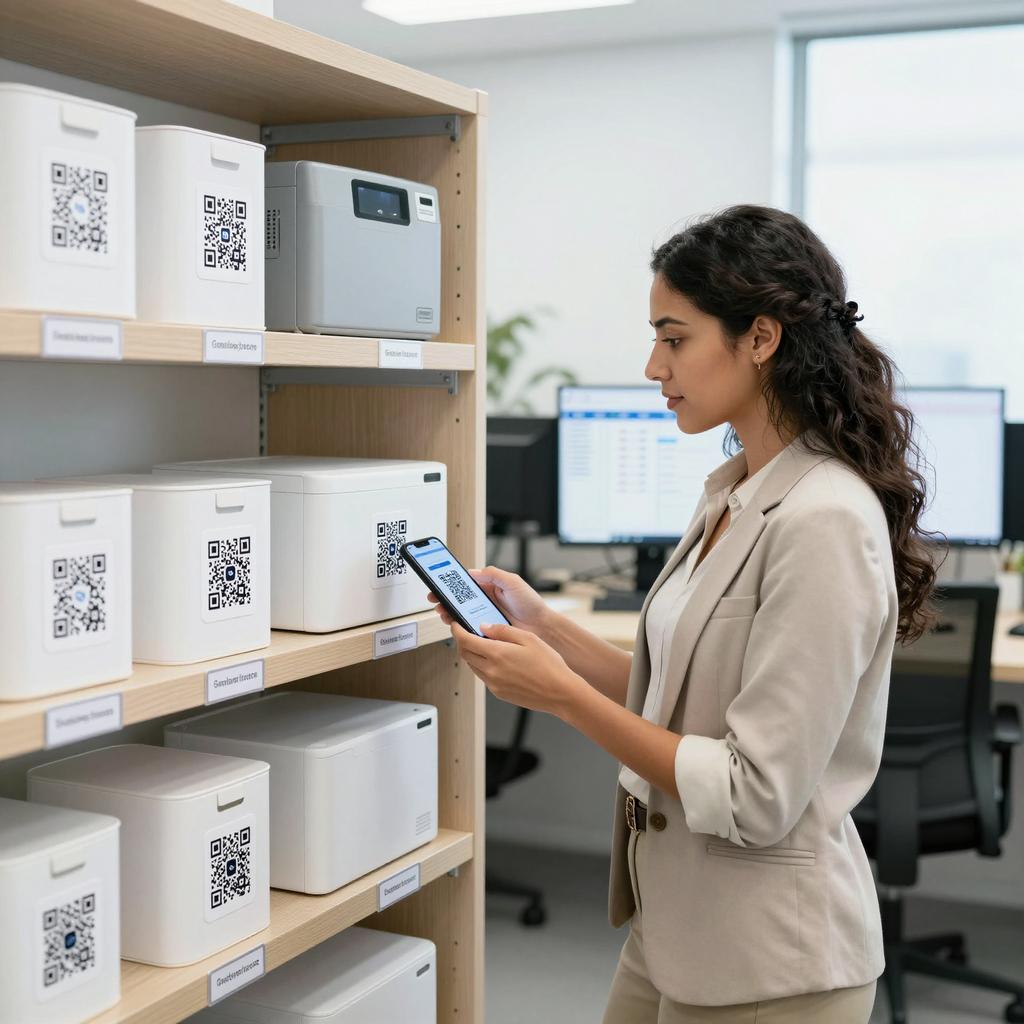
Libraries use shelf-edge and exhibit QR codes to deepen discovery: scan to access e-reserves, tutorials, or related databases. QR-enabled service points route patrons to chat support or appointment scheduling without queueing. Faculty development teams adopt the same patterns—linking workshop materials, policy guides, and toolkits—to boost adoption and self-service. EDUCAUSE’s guidance on Designing Virtual Edtech Faculty Development Workshops That Stick highlights making resources instantly reachable, which is precisely where QR codes shine.
Campus Services and Events That Drive Engagement
Career fairs, student life, and dining services rely on QR codes to streamline discovery and feedback: scan for employer profiles, event maps, digital menus, or quick NPS surveys. Orientation leaders can gamify campus exploration with QR trails that encourage scanning, learning, and sharing. These tactics mirror QR codes in business—using targeted content and conversion-oriented flows—while honoring educational priorities: equity, accessibility, and authentic engagement.
Implementation Tips and Modern Marketing Strategies
Start with a clear objective (sign-ups, downloads, questions), then design your QR experience like a funnel: concise landing pages, mobile-ready forms, and AZ secure links. Use UTM parameters to measure scans by location, time, and campaign; rotate content via dynamic QR tools to keep information current. Standardize placement (eye-level, high-traffic zones), add short human-readable URLs for accessibility, and include brief labels so users know what they’ll get. Treat QR codes as governance-backed digital transformation tools—with policies for privacy, data retention, and content accuracy—to build trust and longevity.
Conclusion: Measuring Success and Iterating with Data
When thoughtfully deployed, QR codes become a simple, powerful engagement layer across campus—driving participation, streamlining services, and connecting physical moments to digital outcomes. The formula is straightforward: clarify the value, reduce friction, measure what matters, and iterate. Institutions that approach QR codes with a marketing mindset and an educator’s heart will see stronger engagement and better data, proving that small, smart interventions can catalyze big results in modern marketing strategies and everyday academic life.