QR Codes for Equipment Maintenance Logs
Why QR Codes Belong in Maintenance Operations
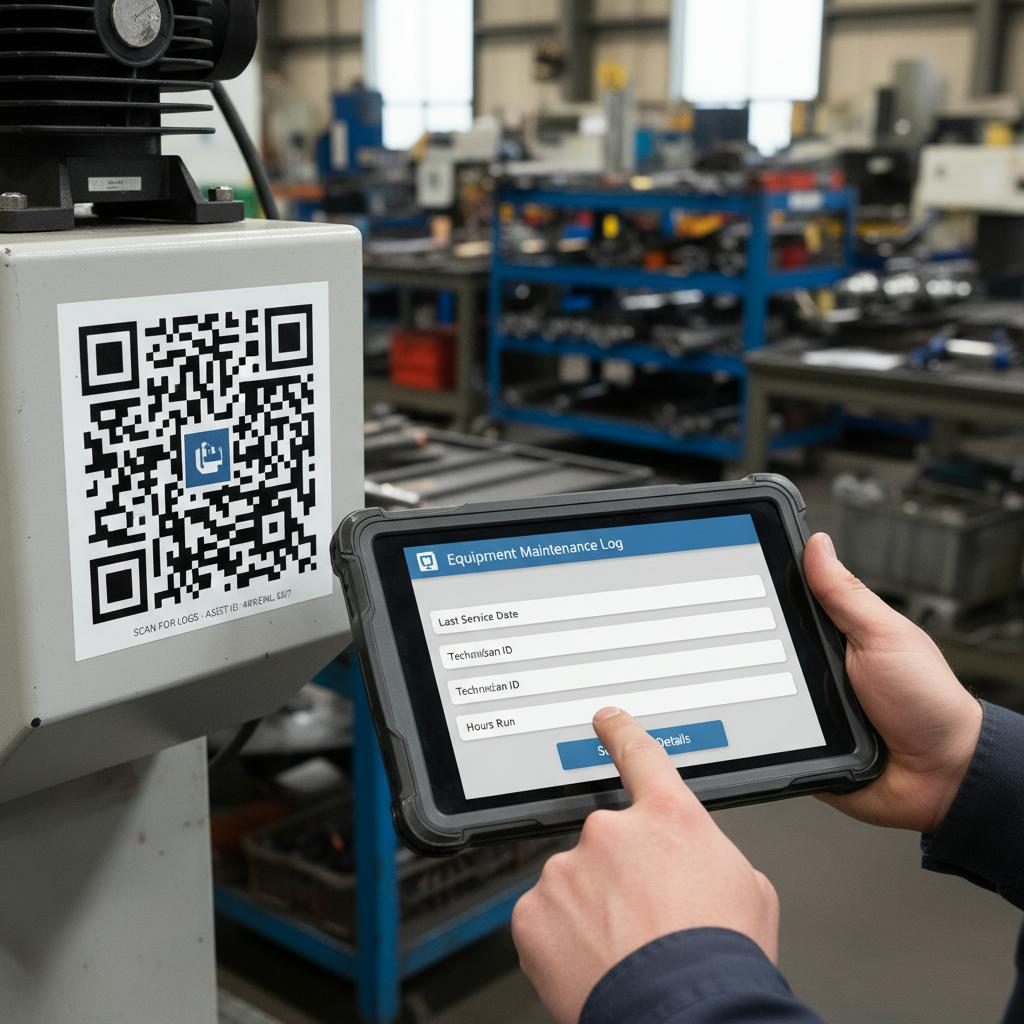
QR codes in business have moved far beyond marketing flyers and restaurant menus; they’re now a practical backbone for equipment maintenance logs. By linking each asset to a live digital record, technicians can scan a code and instantly view work history, checklists, parts, and safety notes. This small change transforms maintenance from guesswork and paper hunting into a data-driven workflow—one of the most accessible digital transformation tools a facilities or manufacturing team can deploy.
From paper to mobile-first logs
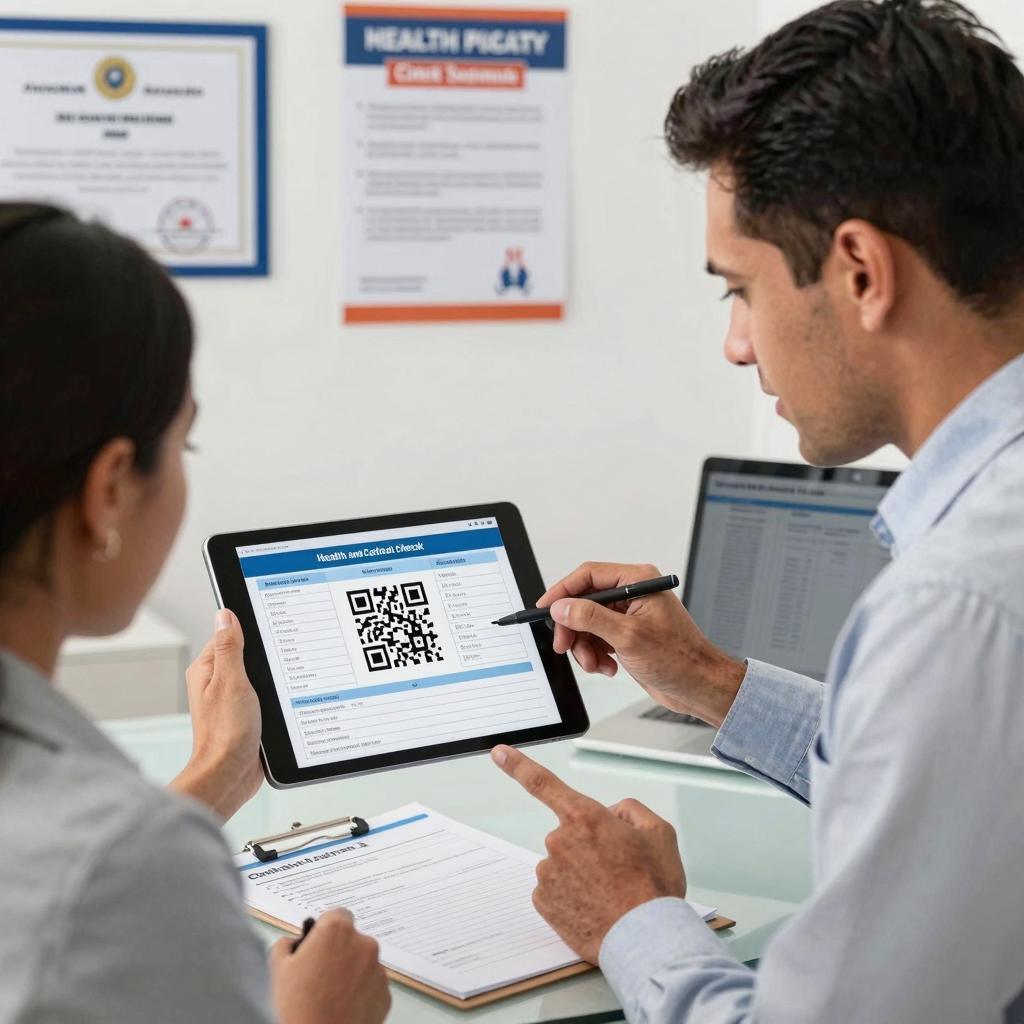
Replacing paper binders with mobile, QR-enabled logs accelerates every step of the maintenance cycle: triage, diagnosis, repair, and documentation. It reduces time-to-information, eliminates duplicate data entry, and standardizes how teams capture evidence in the field. The result is fewer delays, leaner spare parts usage, and tighter audit trails—outcomes that compound across sites and align with modern marketing strategies for communicating reliability, sustainability, and service quality to customers and stakeholders.
Unlock instant context at the asset
When a technician scans an asset’s QR code, they should land on context that matters: last three work orders, PM checklists due, critical spares, and lockout/tagout steps. This just-in-time approach lowers MTTR and reduces safety risk. For a clear overview of best practices, see the Fiix guide to using QR codes in maintenance (https://fiixsoftware.com/blog/qr-codes/), which highlights how scanning can streamline work orders and improve data integrity.
How to Implement QR Codes in Your CMMS
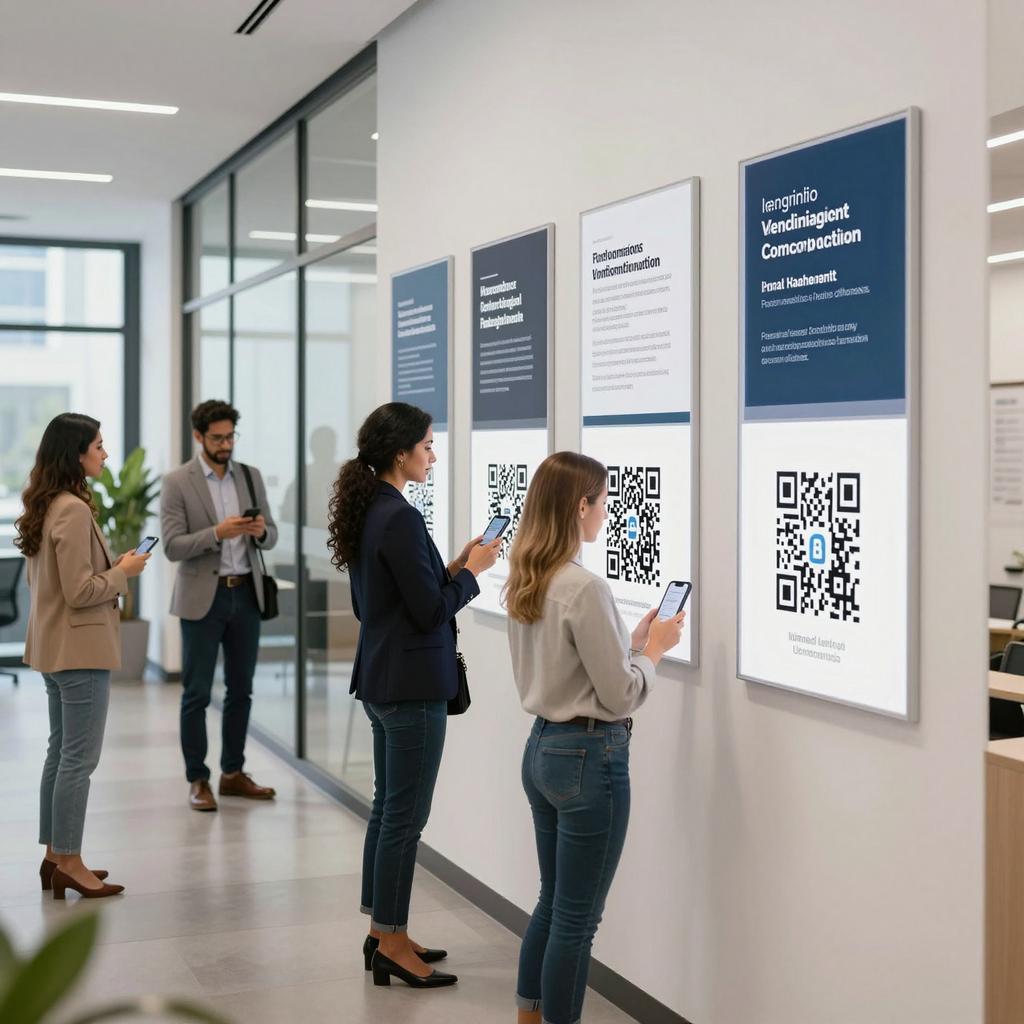
Start by standardizing asset IDs and mapping each asset to a unique QR code in your CMMS. Pilot with a high-impact area (e.g., utilities, packaging, HVAC) to refine labels, workflows, and technician training. Build your site standard: what data opens on scan, offline options, and photo requirements. The MaintainX guide on optimizing maintenance with QR codes (https://www.getmaintainx.com/blog/optimizing-maintenance-with-qr-codes-and-a-cmms) offers practical steps for rollout, from checklist design to user permissions.
Labeling that lasts in the field
Durability determines adoption. Select label materials and adhesives for the environment—abrasion, heat, chemicals, oil, or UV exposure—and place codes where they’re easy to scan but protected from damage. Camcode’s durable asset tag best practices for maintenance management (https://www.camcode.com/maintenance-management/) provide guidance on materials, mounting, and serialization that stand up to industrial use.
Data model and governance
Think beyond the sticker. A scalable data model assigns one globally unique identifier per asset, defines naming conventions, and sets revision rules when components are replaced. Governance policies should cover who can edit records, how work evidence is captured (photos, meter readings), and how you handle privacy and vendor access. Clear standards prevent fragmented links, orphaned codes, and inaccurate histories.
Business Impact Beyond Maintenance
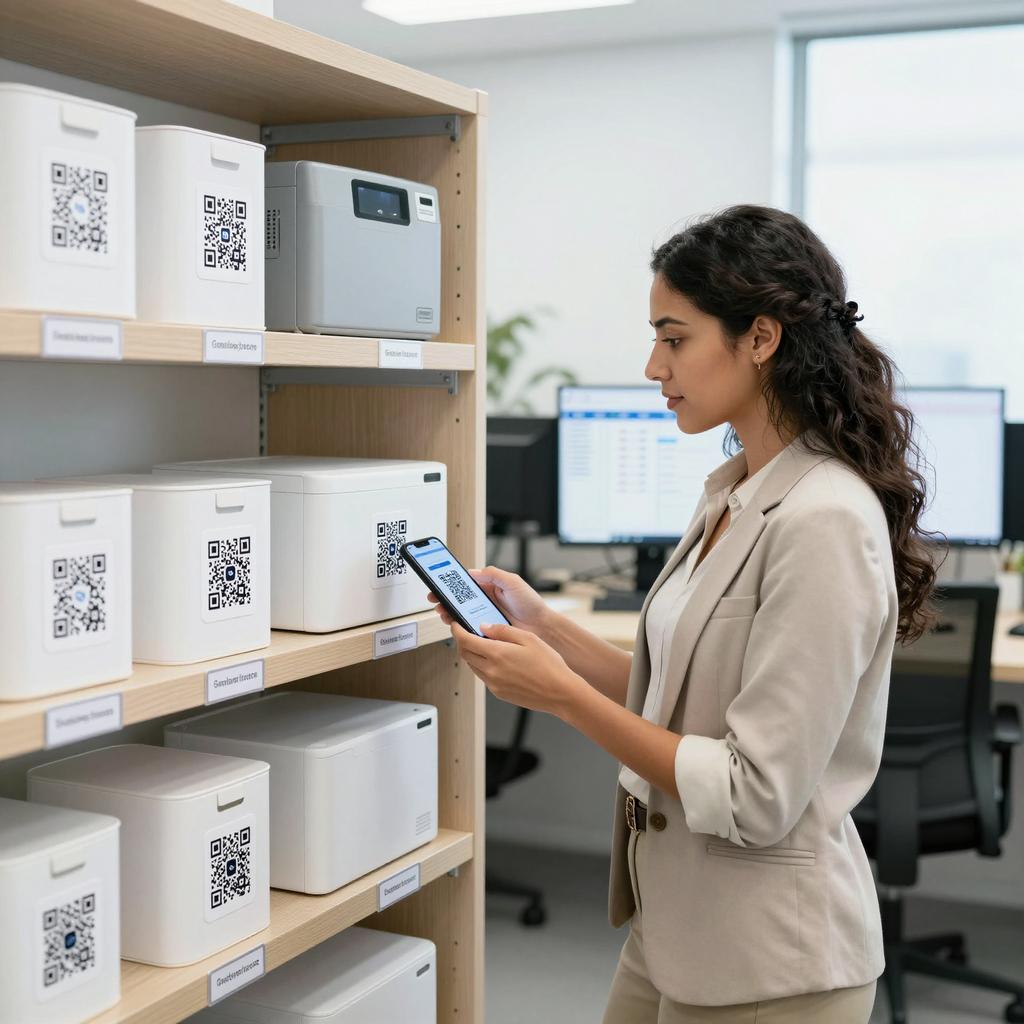
QR-enabled logs pay dividends across operations. Parts rooms move faster when techs scan to reserve inventory. Training accelerates when procedures open at the point of use. Compliance audits are simpler with timestamped, geotagged evidence. And for customer-facing equipment, QR codes extend modern marketing strategies—think branded self-service support portals and warranty registration. For more examples of tying scans to CMMS work orders, see ClickMaint on using QR codes with CMMS software (https://www.clickmaint.com/blog/using-qr-codes-with-your-cmms-software).
Conclusion
If you want a fast, measurable win in digital transformation tools, start with QR codes for equipment maintenance logs. They unify physical assets with digital workflows, shrink MTTR, improve safety and compliance, and unlock cleaner data for smarter planning. Pilot on a single line, prove the time savings, then standardize across the plant. Small codes, big gains—that’s the promise when you connect every asset to the information your team needs most.