Using QR Codes for Product Tracking and Verification
QR codes in business have evolved from simple marketing shortcuts to powerful digital transformation tools that connect physical products with verifiable, real-time data. When implemented correctly, they enable product tracking and verification across the entire lifecycle—from factory to consumer—while also unlocking modern marketing strategies that personalize experiences and build trust.
Why QR codes are redefining traceability and verification
Unlike legacy barcodes, QR codes can hold rich, structured identifiers (such as GTINs and serial numbers) and link directly to authoritative product information. This dual nature—machine readability plus web connectivity—makes QR ideal for traceability, recall readiness, warranty validation, and anti-counterfeiting. The result is a single on-pack code that serves operations, compliance, and engagement simultaneously.
Standards that make QR codes trustworthy
Global standards are the backbone of verifiable product data. The GS1 Digital Link framework for brands shows how to encode identifiers and deliver context-aware information to different users (consumers, retailers, regulators). For technical depth, see this technical overview of encoding GTIN and serials in GS1 Digital Link QR codes, which explains how structured data supports authentication and supply chain events.
From factory to consumer: a verifiable data trail
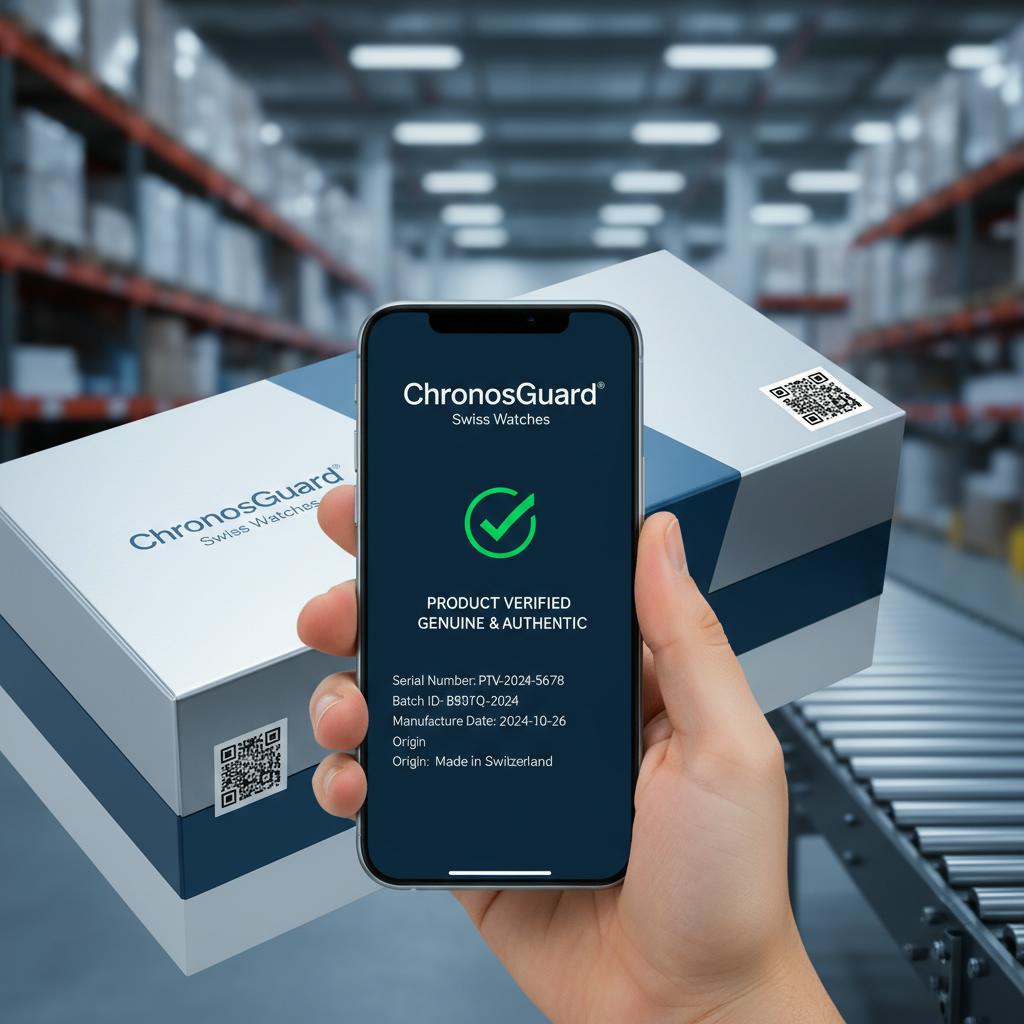
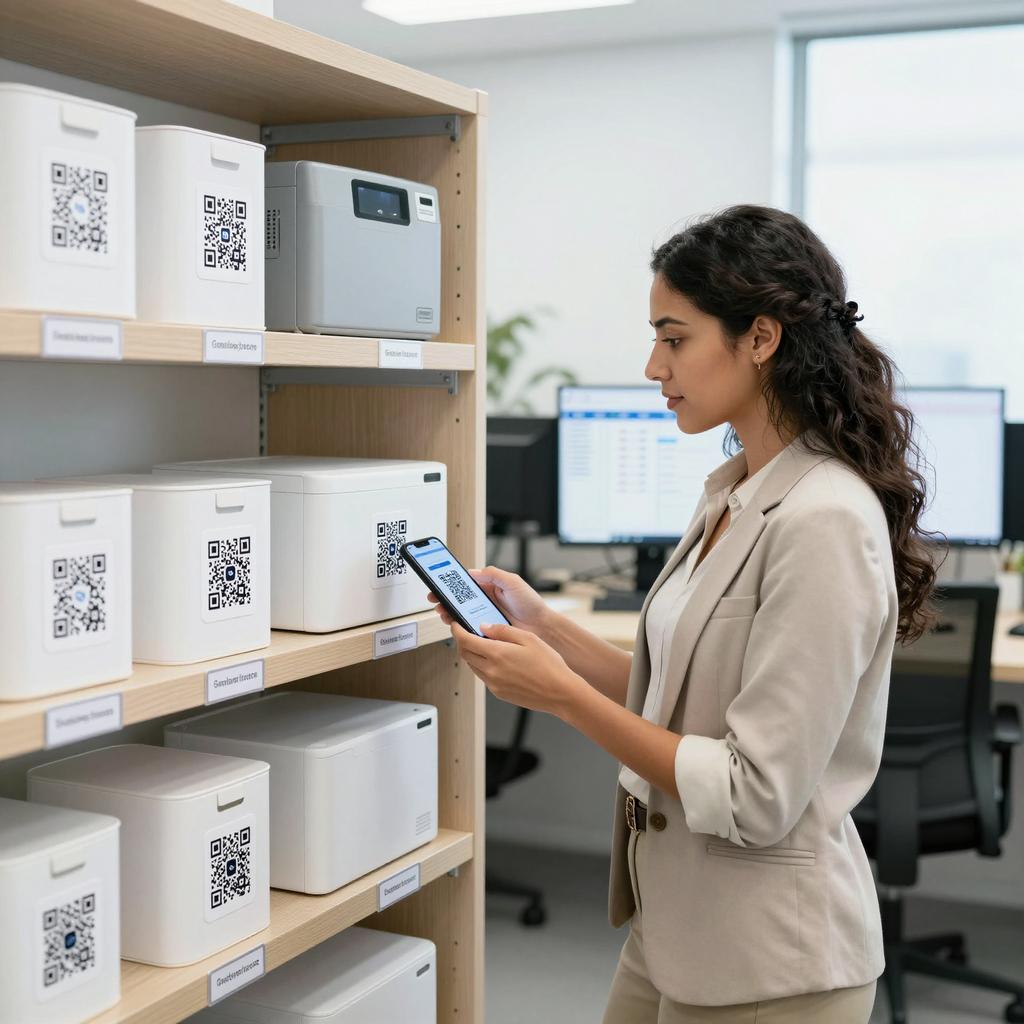
Each scan can capture where, when, and by whom an item moved—production, packaging, distribution, retail, and post-sale. By tying scans to item-level serialization, brands and retailers gain a tamper-evident history: provenance checks at receiving, automated shelf audits, and consumer verification at the point of purchase. When anomalies arise—like duplicate serials or improbable scan locations—systems can flag potential diversion or counterfeiting in real time.
Implementation roadmap that balances speed and rigor
A practical rollout starts by aligning your data model (GTINs, batches, and serials) with business goals (recall speed, warranty automation, or channel control). Next, select printers and packaging partners that can handle high-quality 2D codes with robust verification. Implement a resolver that routes scans based on user, device, or geography, and integrate scan events with ERP/WMS for closed-loop visibility. Pilot on one high-value product line, validate KPIs, then scale globally.
Anti-counterfeiting and gray-market control
Item-level serialized QR codes deter fakes by making every product uniquely addressable. Combine serials with controlled activation (a serial is only “live” after passing quality gates) and real-time checks to detect duplicates. Educate customers to verify authenticity using your official QR experience and reinforce with packaging cues. For fundamentals, review GS1’s overview of QR codes and 2D barcodes to ensure your implementation aligns with global best practices.
Marketing meets compliance: one code, many outcomes
Modern marketing strategies thrive when the same code that proves authenticity also delivers value—ingredients, sustainability claims, how-to content, and personalized offers. With dynamic redirects, you can localize content, A/B test landing pages, and measure engagement by item, channel, or campaign. The GS1 Digital Link 2025 implementation guide details how to structure links so operational and consumer journeys coexist without conflict.
Measuring ROI and avoiding common pitfalls
Define success with hard metrics: reduced chargebacks, faster investigations, fewer returns of counterfeit goods, higher conversion from scan-to-purchase, and lower customer support volume. Avoid pitfalls by standardizing identifiers, validating print quality at line speed, and ensuring your resolver remains performant under peak traffic. The takeaway: when grounded in GS1 standards and integrated with core systems, QR codes become a strategic asset—one code that proves, informs, and sells—advancing both supply chain resilience and brand growth.