Using QR Codes to Encourage App Downloads
QR codes have quietly become one of the most effective digital transformation tools for turning real-world interest into mobile installs. For brands focused on modern marketing strategies, they bridge the gap between offline touchpoints and the app stores in a single scan—reducing friction, boosting attribution, and transforming everyday surfaces into acquisition channels. In short, QR codes in business are no longer experimental; they’re a dependable path to growth when implemented with intent and precision.
Why QR codes accelerate app adoption
QR codes remove steps between discovery and download. Instead of asking a prospective user to search an app name, find the right listing, and then install, a scan can route directly to the correct store page. On iOS, Apple provides official App Store marketing tools and badge guidelines to generate app-specific assets and maintain brand compliance (official App Store marketing tools and badge guidelines). On Android, you can pair your Google Play listing URL with a QR code and follow Google Play Console guidance on sharing your app listing to ensure users land on the right product page. The result: fewer clicks, fewer errors, and more installs.
The offline-to-online bridge in modern marketing strategies
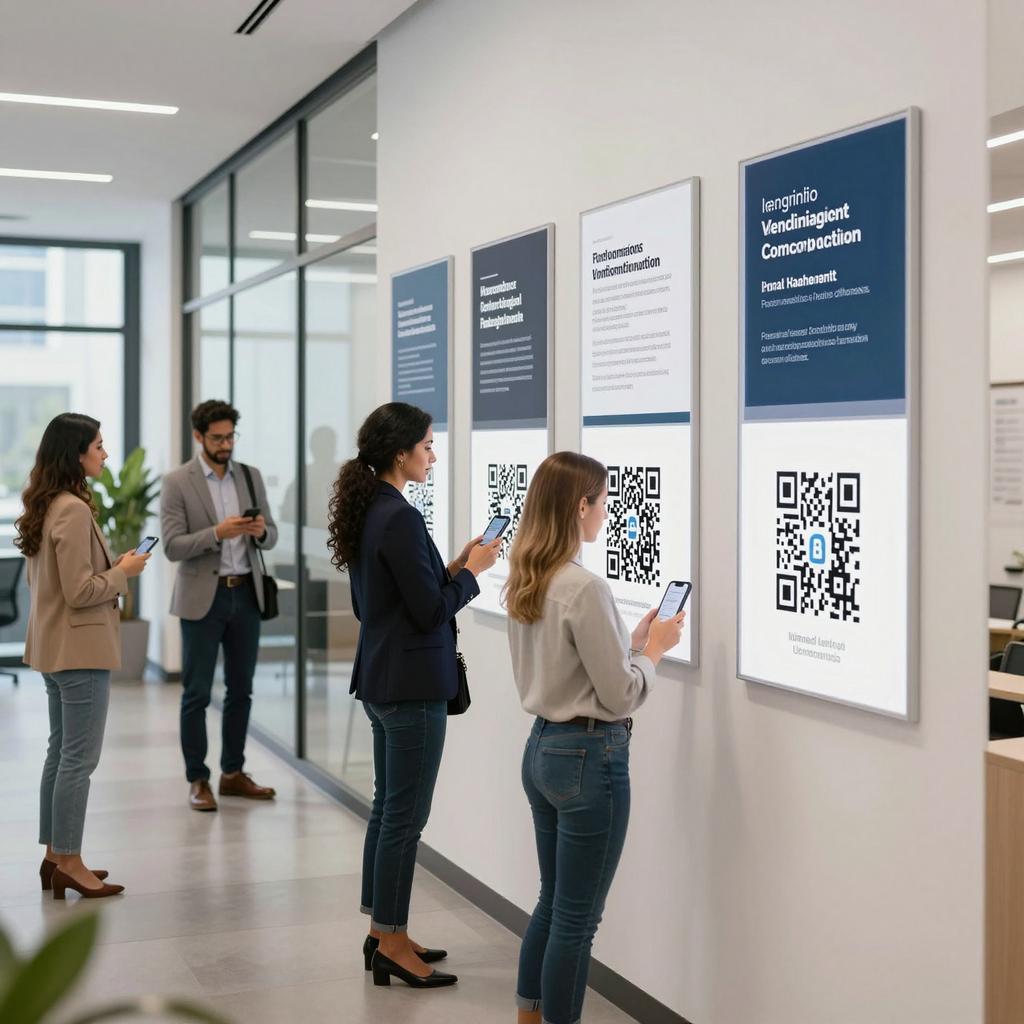
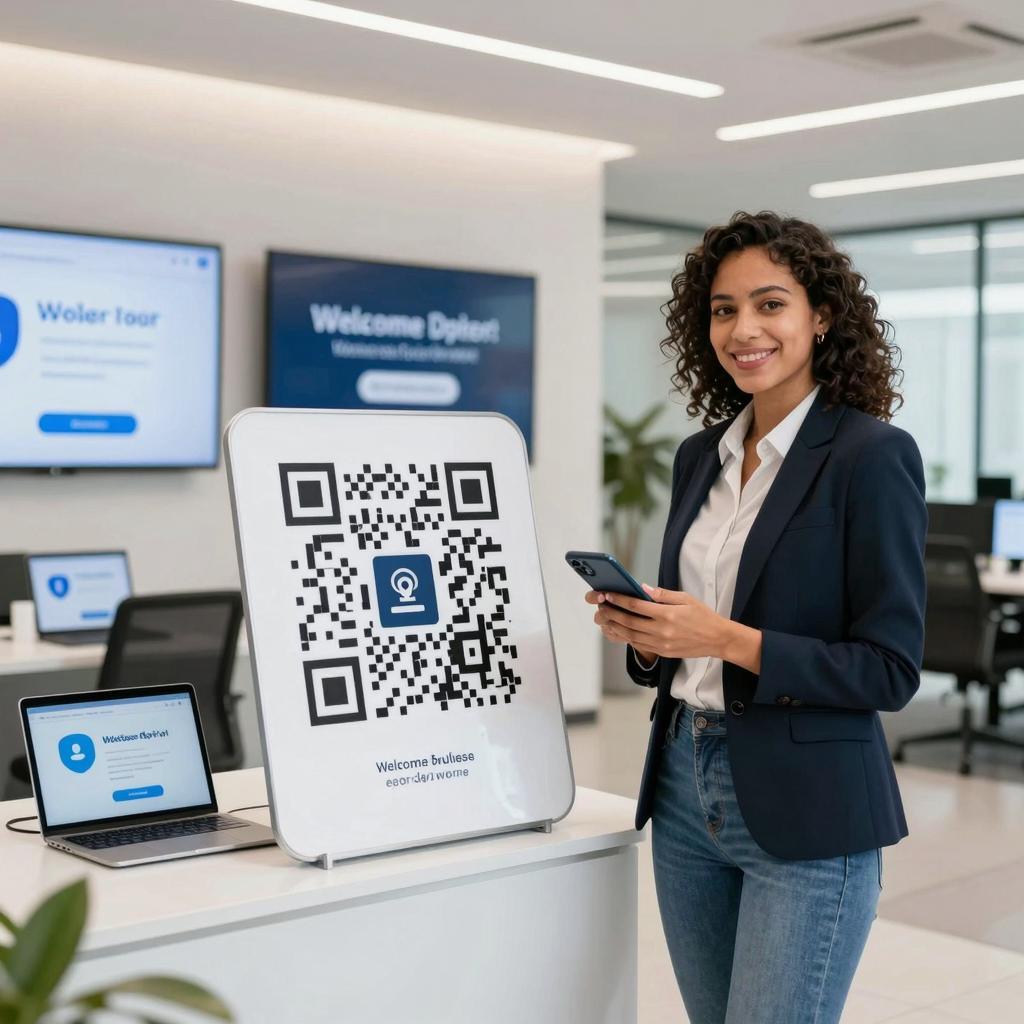
Think of every physical and experiential touchpoint as an install opportunity: packaging that invites buyers to register in-app, in-store signage that promotes loyalty rewards, event booths that gate premium content behind an app install, and out-of-home media that turns curiosity into action. Because QR codes are scannable from a distance and familiar to smartphone users, they convert ambient interest into downloads, especially when paired with a clear value exchange—early access, bonus features, or a limited-time offer.
Trust, clarity, and motivation drive scans
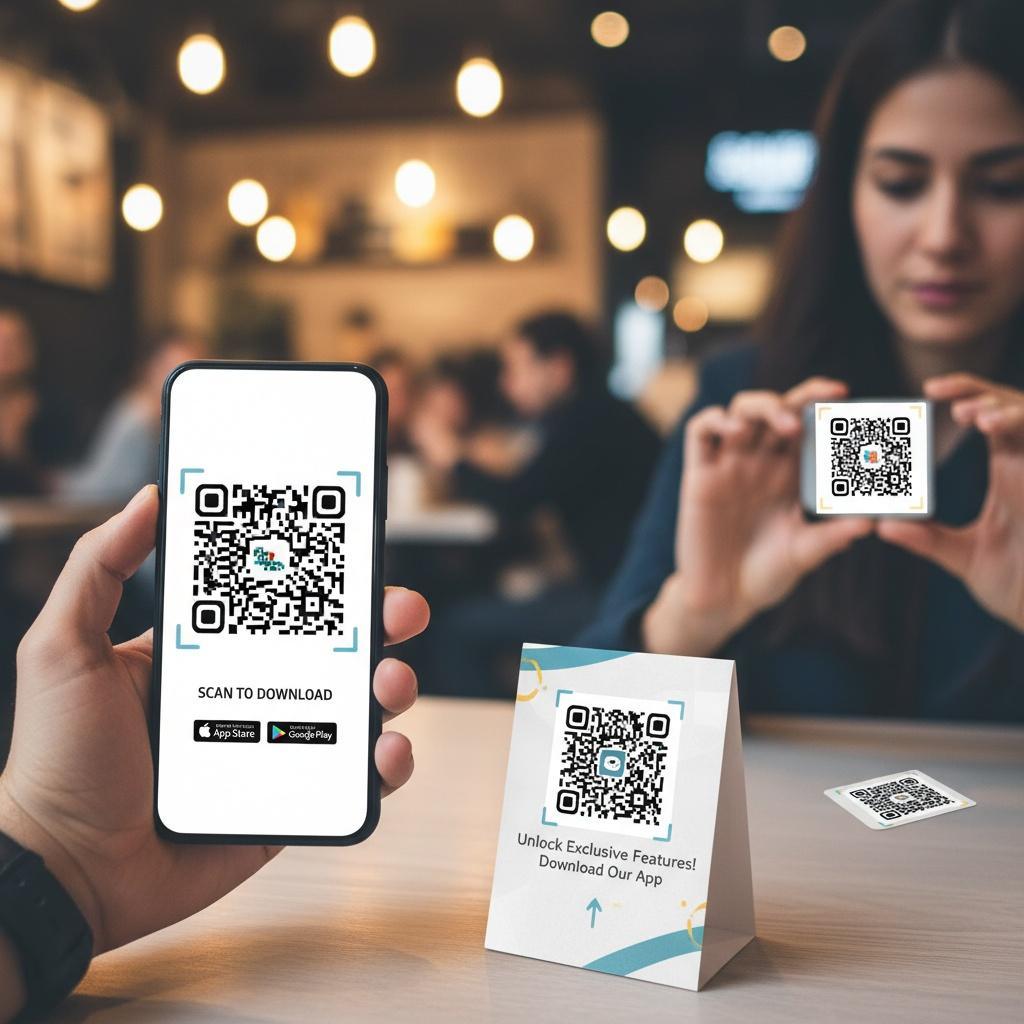
Three elements consistently lift scan rates: trust (recognizable branding and store badges), clarity (plain-language instructions like “Scan to download our app”), and motivation (a concrete benefit for installing now). Advertising bodies emphasize fundamentals such as sufficient on-screen dwell time, readable size, and mobile-optimized destinations—principles echoed in the IAB creative best practices for QR-enabled ads. When these basics are respected, QR codes stop being a gimmick and start functioning as a reliable acquisition lever.
Implementation playbook: from link to scan to install
Map your user journey before generating a single code. Use device detection to route scanners to the correct store, apply deep links or universal links for post-install continuity, and choose dynamic QR codes so you can update targeting without reprinting. Tag every destination with campaign parameters and measure end-to-end performance. If you’re on iOS, use App Store Connect campaign links and analytics to attribute scans to installs and optimize creative by channel, placement, and offer.
Design and UX considerations that boost scan rates
Design QR codes with high contrast and a proper quiet zone; avoid overly stylized treatments that compromise scan reliability. Keep the code visible long enough to act, and size it for the viewing distance (larger for OOH or CTV placements). Pair the code with store badges, concise microcopy (“Scan with your camera”), and a prominent incentive. Most importantly, link to a landing experience that loads fast, matches the promise in the creative, and lets users download in as few taps as possible.
Measurement that matters for QR codes in business
Move beyond raw scan counts. Track scans-to-install conversion, install-to-sign-up, first-purchase or first-action, and 7/30-day retention to judge true impact. Use cohort analysis to compare performance by surface (packaging vs. in-store vs. events), creative concept, and incentive. Treat QR as an always-on acquisition stream: A/B test value propositions, iterate designs, and refine routing. When integrated with your analytics stack, QR codes in business become a measurable, optimizable growth engine—not just a vanity touchpoint.
Advanced moves: smart routing and future-ready standards
Level up with smart routing that detects device, locale, and campaign context to personalize outcomes (e.g., App Store vs. Play, localized copy, or deep links to a feature preview). Consider deferred deep linking to drop users into the right in-app surface after first launch. As your program matures, plan for interoperable standards (such as next-gen 2D barcodes) that connect physical products to richer digital experiences. The takeaway: combine strong creative fundamentals with rigorous measurement and intelligent routing, and QR codes become a high-converting pillar of modern marketing strategies to encourage app downloads today—and keep working harder tomorrow.