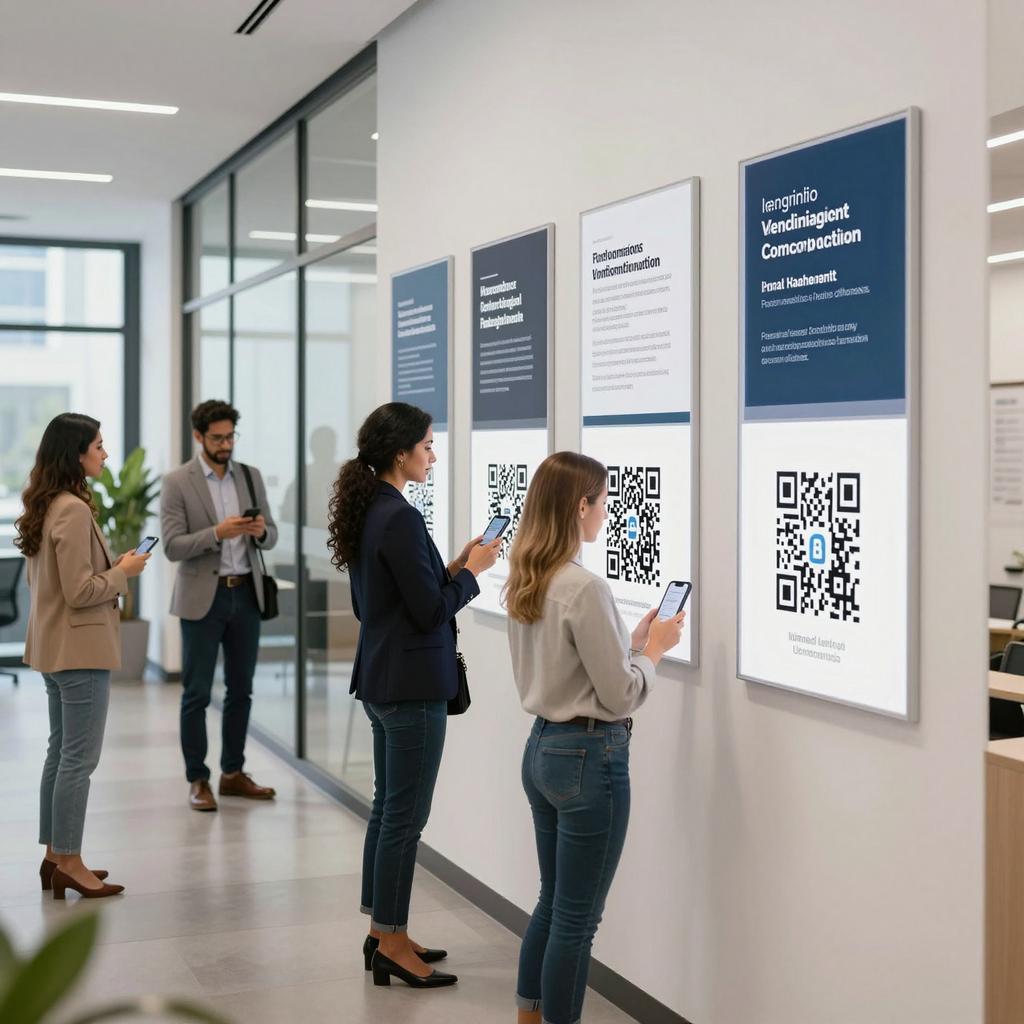
QR Codes for Tracking and Analyzing Sales Funnel Performance
Why QR codes are a force multiplier in modern marketing strategies
QR codes in business have re-emerged as practical digital transformation tools because they connect offline attention to online action with zero friction. For marketers under pressure to prove ROI, QR-driven journeys reveal a clean trail of intent—from scan to session to sale—making them ideal for analyzing sales funnel performance across awareness, consideration, conversion, and retention. The key is treating QR as a measurable channel, not just a convenience feature, and designing it into your modern marketing strategies from the start.
From offline to online: bridging the funnel
When a shopper scans a code on packaging, signage, events, or direct mail, they’re signaling high intent at a specific context and moment. That signal is gold. If each placement uses a unique, trackable destination, you can attribute performance to exact creative, location, and offer; route traffic to tailored landing pages; and trigger relevant nurture flows. Done right, QR codes become precision instruments for funnel diagnostics—showing where attention forms, where friction bottlenecks, and which offers reliably convert.
Instrumenting QR codes for attribution you can trust
Start with a simple measurement plan: define your primary conversion (purchase, lead, demo), secondary goals (micro-conversions like add-to-cart or content views), and diagnostic events (scan, page view, exit). Assign one dynamic QR per placement and campaign. Standardize naming (campaign, creative, location), centralize destinations, and ensure every scan routes to a fast, mobile-first page. This foundation turns scattered scans into structured, comparable funnel data—and prevents accidental overlap that muddles attribution.
Build URLs with UTM parameters the right way
Instrument every QR destination with clean UTM parameters to understand source, medium, campaign, and creative at a glance (for example: utm_source=print, utm_medium=qr, utm_campaign=summer_launch, utm_content=store_poster_a). Avoid tagging internal links, keep naming consistent, and reserve utm_content for creative-level tests. For details on how these parameters map in reports and best practices, consult Google’s GA4 UTM parameter documentation. Consistent tagging is what turns QR scans into accurate acquisition and conversion insights.
Dynamic QR infrastructure and data hygiene
Prefer dynamic QR codes so you can update destinations without reprinting, correct mistakes, and run A/B tests by placement. Store each QR’s metadata—campaign, channel, creative, location—in your analytics and CRM so you can segment results later. In retail and DTC, dynamic codes align with omnichannel workflows and measurable promotions; see Shopify’s guidance on QR codes in retail for practical use cases. Keep URLs short, use link domains you control, and ensure serverside redirects are fast to preserve scan-to-landing continuity.
Turning scans into full-funnel insight
Treat the scan as the start of a personalized journey: load prefiltered product lists, prefilled forms, or a one-click checkout with auto-applied discounts. Connect your analytics to CRM so a scan can become a known contact upon form submit or purchase. Marketing automation can then segment by campaign, creative, or location for timely follow-up. For teams running on HubSpot, this is straightforward to operationalize—see HubSpot’s guide to creating QR codes—and pair it with progressive profiling to turn fleeting curiosity into qualified pipeline.
Omnichannel measurement beyond last click
QR codes shine in omnichannel attribution because they capture intent at the physical touchpoint and tie it to digital outcomes. Combine analytics data from scans with store sales, call tracking, and media spend to understand true incremental lift. Advanced teams fold QR data into MMM or unified conversion models to optimize creative and budget across channels; for inspiration, review Think with Google’s omnichannel measurement insights. The takeaway: QR is more than a traffic driver—it’s a high-fidelity signal that improves cross-channel decisioning.
Conclusion: put QR codes to work across your funnel
QR codes are small assets with outsized impact when deployed as part of modern marketing strategies: unique codes per placement, disciplined UTMs, dynamic destinations, and CRM-connected follow-up. As digital transformation tools, they close the loop between offline engagement and online conversions, revealing what actually moves revenue. Start with one campaign, define clear success metrics, and iterate. With each scan, you’ll sharpen your targeting, reduce waste, and build a repeatable, data-driven engine for sales funnel performance.