QR Codes in Trade Shows and Business Exhibitions
Why QR Codes Belong on the Trade Show Floor
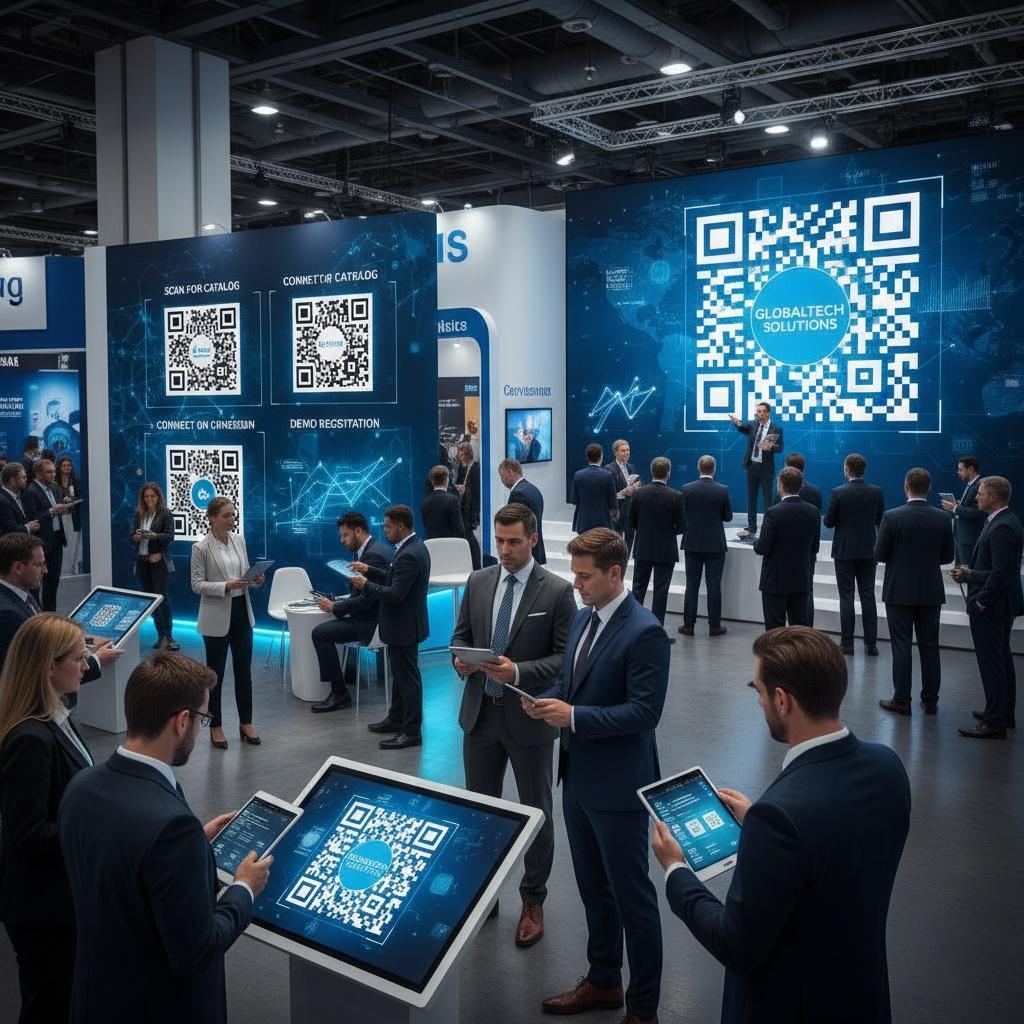
QR codes in business have evolved from novelty to necessity on the expo floor, bridging physical interactions with digital experiences that capture intent, qualify leads, and accelerate follow-up. At their best, QR codes operate as digital transformation tools: they replace static brochures with data-rich journeys, automate hand-offs to sales, and make every scan measurable. For strategic inspiration, see Exhibitor Online’s report on effective QR code tactics for booths, which underscores how shrewd design and placement drive engagement: Exhibitor Online’s analysis of QR code performance at trade show exhibits.
From static booths to dynamic journeys
When designed around value exchange, a simple scan can unlock personalized demos, AR product overlays, inventory checks, appointment booking, or exclusive show pricing. This moves your team beyond collecting business cards to orchestrating modern marketing strategies: targeted content for each persona, progressive profiling, and retargeting that reflects real buyer behavior instead of generic follow-up.
Practical Use Cases That Win Leads and Time
Frictionless check-in and badge scanning
QR-enabled entry eliminates bottlenecks, shortens lines, and frees staff to focus on high-value conversations. It also improves data hygiene by tying contact information to sessions and booth visits. Explore workflows and onsite mechanics in Cvent’s QR-powered onsite workflows, which outline scanning, verification, and session tracking options for complex events.
Smart collateral and product demos
Replace heavy literature with a QR that routes to dynamic, language-specific collateral and video demos. This reduces costs and waste while enabling A/B testing of messaging by segment. For fundamentals and creative applications across events, see Eventbrite’s guide to QR codes for events, then tailor your landing pages with industry-specific proof points and ROI calculators.
Design, Placement, and UX Best Practices
Make scanning effortless
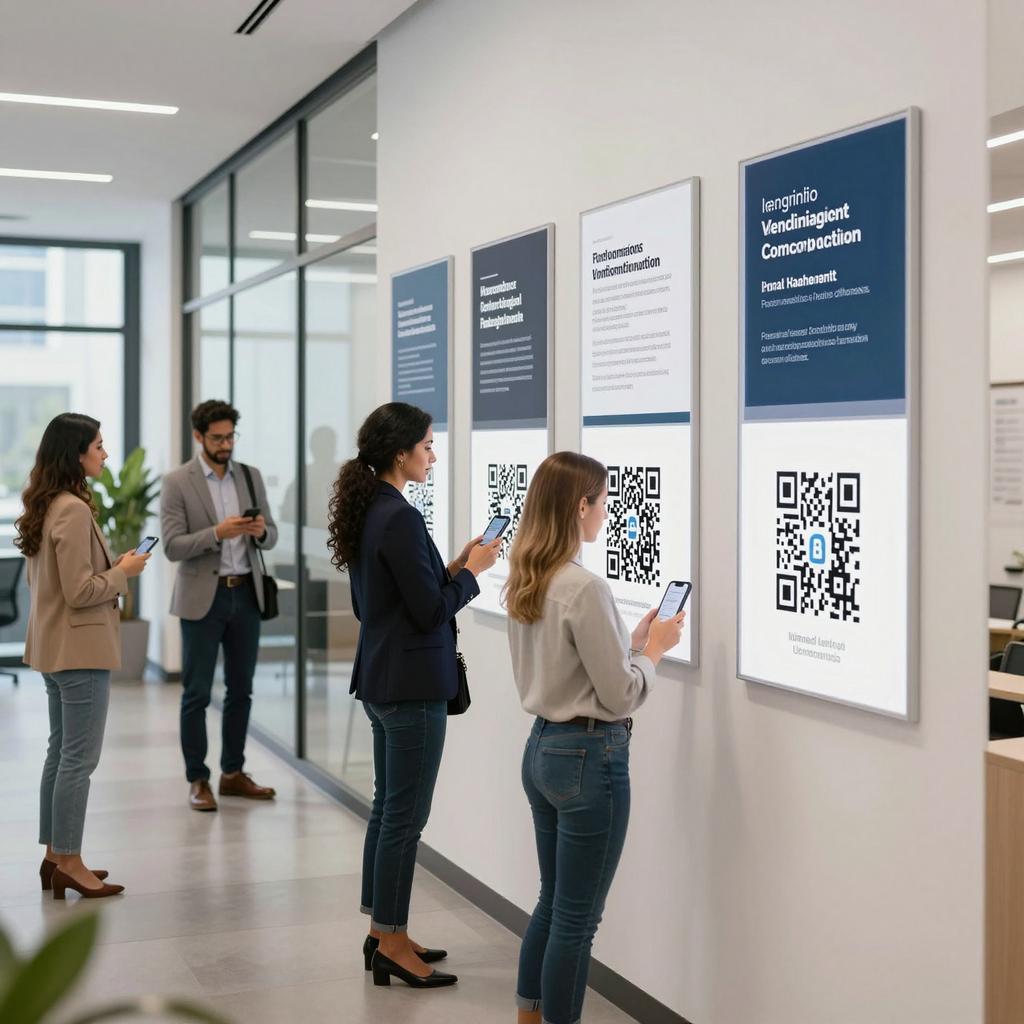
Make the code big, bold, and high-contrast with clear quiet zones; place it at eye to chest height, front and corner-facing, and avoid glare from lighting. Use short URLs for higher error tolerance, test across iOS and Android native cameras, and include a benefit-driven call to action (“Scan to see your custom savings in 60 seconds”). For branded codes, prioritize readability over heavy styling, and always provide a short URL fallback.
Measurement, Privacy, and ROI
Track, test, and iterate
Instrument every QR with UTM parameters tied to booth, graphic, and message variant. Key metrics include scan-through rate, landing-page engagement, form completion, and down-funnel pipeline created. Run multivariate tests on creative, incentive, and placement; segment performance by persona and time of day. Respect consent with transparent notices and progressive forms, and centralize analytics in GA4 and CRM dashboards to show true revenue impact.
Tech Stack and Workflow Integration
Connect CRM, marketing automation, and analytics
Map each QR path to a specific workflow: scan to enriched landing page, progressive form to CRM, lead scoring to SDR alert, and nurture to content tailored by industry and stage. Use unique codes per sales rep or demo station to attribute meetings and follow-ups, and employ dynamic QR codes for time-bound offers. Add offline safeguards—preloaded content on tablets, hotspot backup, and printable short URLs—to reduce risk on a busy show floor.
Future Outlook: Beyond the Expo Hall
Persistent journeys after the event
The strongest programs continue post-show: retarget scanners with session recaps, send interactive ROI tools, and route late-stage prospects to self-serve pricing or instant consults. As QR codes become standard in modern marketing strategies, they will anchor richer, permission-based relationships spanning webinars, field events, and digital product tours—all measurable and tightly aligned with revenue teams.
Conclusion
QR codes at trade shows aren’t just a convenience; they’re a strategic layer that turns every square foot of your booth into a measurable, personalized experience. Treat them as core digital transformation tools: design for value, integrate with your stack, test relentlessly, and prove pipeline impact. Do that, and your next exhibition won’t just look modern—it will sell that way, too.