Enhancing Corporate Branding with Smart QR Integrations
The Brand Case for Smart QR Integrations
From Static to Dynamic Brand Touchpoints
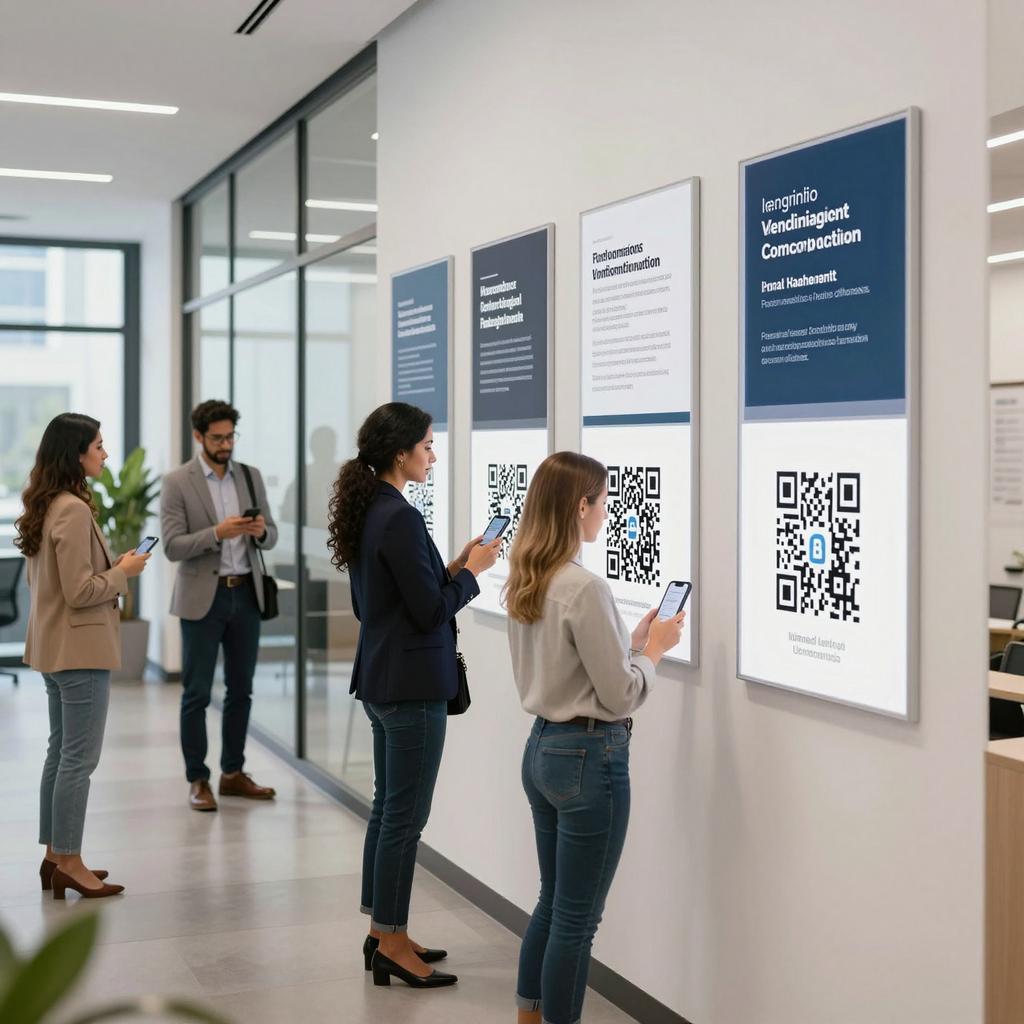
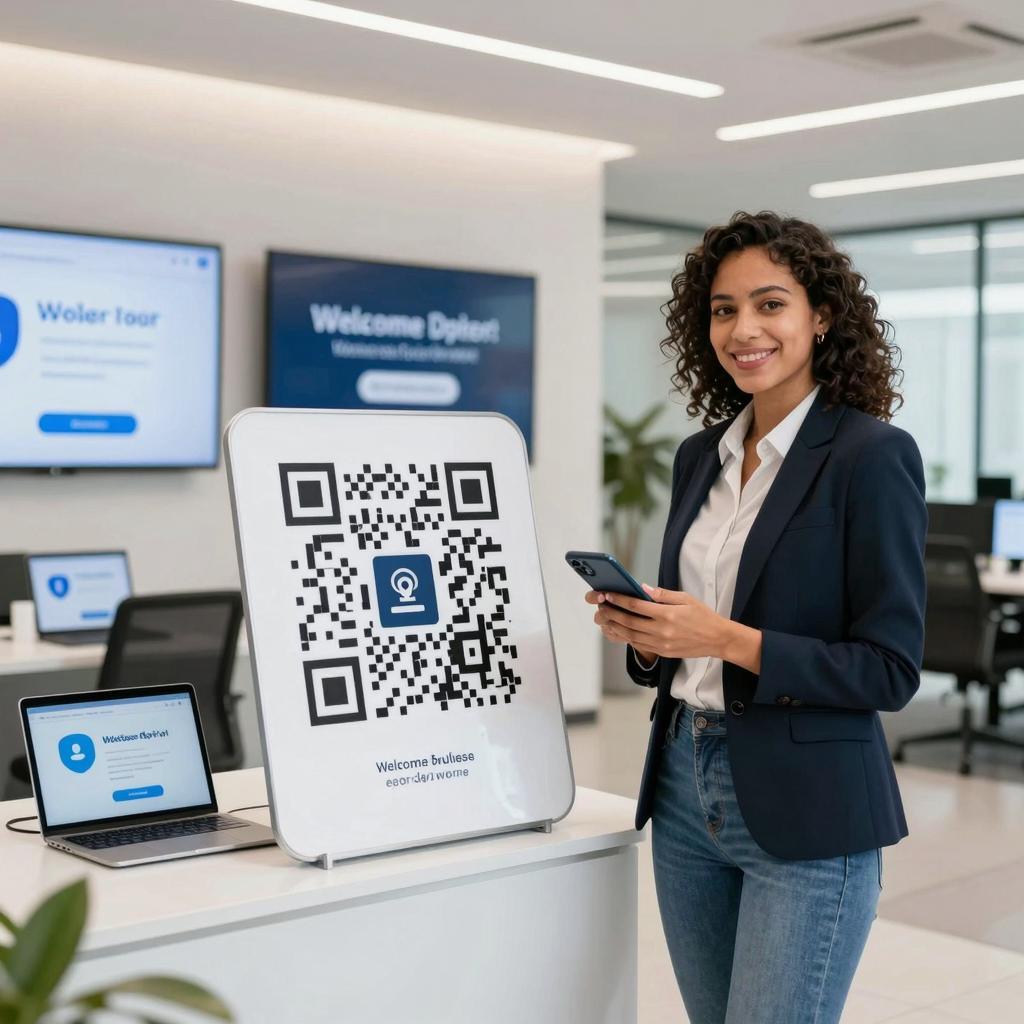
QR codes in business have evolved from one-time redirects into living gateways that connect physical experiences to brand-controlled digital destinations. When treated as digital transformation tools, smart (dynamic) QR codes become persistent, campaign-agnostic entry points you can update without reprinting, turning packaging, signage, invoices, and events into measurable, on-brand touchpoints. The payoff is stronger recall, seamless journeys, and the ability to orchestrate modern marketing strategies that bridge offline moments with rich, personalized content.
Trust, UX, and Accessibility
Brand equity hinges on consistent, safe, and usable experiences. Clear intent copy, recognizable short domains, and post-scan previews build confidence. Equally important is scannability: sufficient contrast, quiet zones, and placement away from folds or glare. For practical guidance that elevates both credibility and conversions, review the Nielsen Norman Group’s QR code usability guidelines at evidence-backed QR design and UX best practices, and codify them into your brand standards so every team deploys QR the same way.
Strategic Use Cases That Elevate Corporate Identity
Packaging and Product Authentication
On-pack QR delivers high-intent engagement at the moment of use. Beyond tutorials and care instructions, brands can verify provenance and surface sustainability data to reinforce trust. Standards like the GS1 Digital Link overview connect global product identifiers to web resources you control, enabling richer product pages, compliant disclosures, and anti-counterfeit signals from a single, standards-based code—no clutter or mixed messages on the label.
Owned Media to First-Party Data
Smart QR codes turn every branded surface into a route to owned channels—preference centers, loyalty enrollment, and service portals—reducing reliance on rented audiences. By routing scans through privacy-safe analytics and progressive profiling, you build first-party data while demonstrating transparency. The result is tighter feedback loops for product, CX, and marketing teams, and a clearer line from creative assets to revenue impact.
Events, OOH, and Retail Moments
In live environments, attention is fleeting; QR accelerates intent. Use context-specific landing pages, localized offers, and time-bound content to reward action in the moment. Consistent brand styling across the code, call-to-action, and destination reduces friction. Apply UTM frameworks per placement to compare creative, media, and store clusters, then reallocate spend based on scan-through and downstream conversion—an essential discipline for modern marketing strategies.
Implementation Playbook
Design, Security, and Governance
Brand-safe design goes beyond adding a logo. Calibrate error correction for resilience, keep a high contrast ratio, and validate minimum sizes for scanning distance. Establish a governance model: verified link ownership, SSL everywhere, and domain allowlists. Educate users with post-scan interstitials and clear intents. For business stakeholders, the benefits of dynamic QR codes for marketing include flexible content updates, campaign-level targeting, and reduced reprint costs—value levers that resonate in enterprise planning cycles.
Measurement and Continuous Improvement
Treat QR as a performance channel. Track scans by placement, device, OS, and time of day; enrich with store IDs, weather, or event schedules to find hidden patterns. Optimize creative (contrast, CTA phrasing), placement (eye-line, lighting), and destination load speeds. A/B test landing flows, measure revenue per scan, and integrate with your CDP to attribute scan-assisted conversions alongside paid media. This is how QR codes in business evolve from tactical add-ons to core digital transformation tools.
Conclusion
Smart QR integrations transform every branded surface into a measurable, secure, and updatable portal to your ecosystem. Anchored in standards, guided by UX best practices, and governed like any critical channel, they elevate trust, compress time-to-value, and compound brand equity. Start with one high-traffic use case, operationalize design and analytics, and scale across packaging, retail, and events—turning physical moments into durable digital relationships that power modern marketing strategies.