How QR Codes Improve Internal Communication in Companies
When internal messages are hard to find or slow to access, employees disengage and productivity stalls. QR codes solve this by turning any touchpoint—desk placards, meeting rooms, equipment, signage, badges—into a one-scan gateway to the exact resource a person needs. As lightweight digital transformation tools, QR codes in business reduce friction, speed up decisions, and reinforce modern marketing strategies applied to internal audiences: segmenting content, testing formats, and measuring what works.
Why QR Codes Work for Internal Communication
QR codes lower the effort it takes to connect people with information. Instead of typing URLs or navigating portals, employees scan and go—ideal for time-pressed frontline and hybrid teams. This simplicity drives higher adoption and measurable outcomes, supported by industry perspectives like Poppulo’s analysis of QR codes for employee communications and peer-reviewed evidence on QR-enabled communication workflows that shows faster access improves compliance, coordination, and decision-making—principles that translate well beyond specific industries.
Instant Access to Workflows
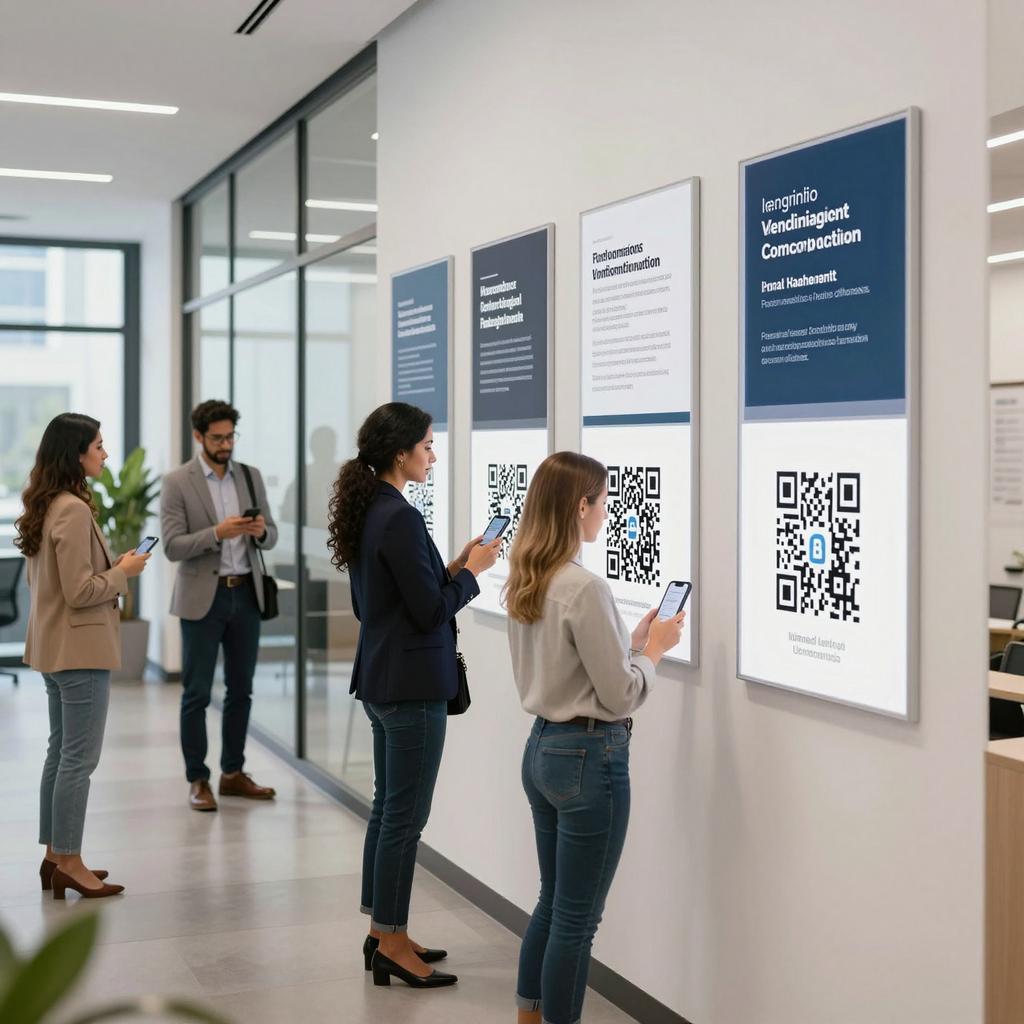
Place QR codes where work happens to connect directly to the next step: scan at a helpdesk poster to open an IT ticket prefilled with location data; scan at a meeting room to report an issue or load the AV setup checklist; scan on a policy poster to jump to the latest HR guidance. Dynamic QR destinations let you update links without reprinting, while context-specific landing pages reduce clicks. For accessibility, contrast-rich designs and clear labeling matter; see practical guidance on making information more accessible with QR codes.
Secure, Trackable Distribution of Information
QR codes can point to authenticated destinations, enabling SSO-protected documents and role-based content. Create unique codes per site or department to compare engagement, and use UTM parameters to attribute scans to campaigns (e.g., safety week vs. product launch). Because QR codes bridge physical and digital spaces, you can A/B test posters, refine copy, and iterate designs—borrowing modern marketing strategies for internal comms—while respecting privacy and maintaining compliance.
Practical Use Cases Across the Employee Journey
Onboarding and Training
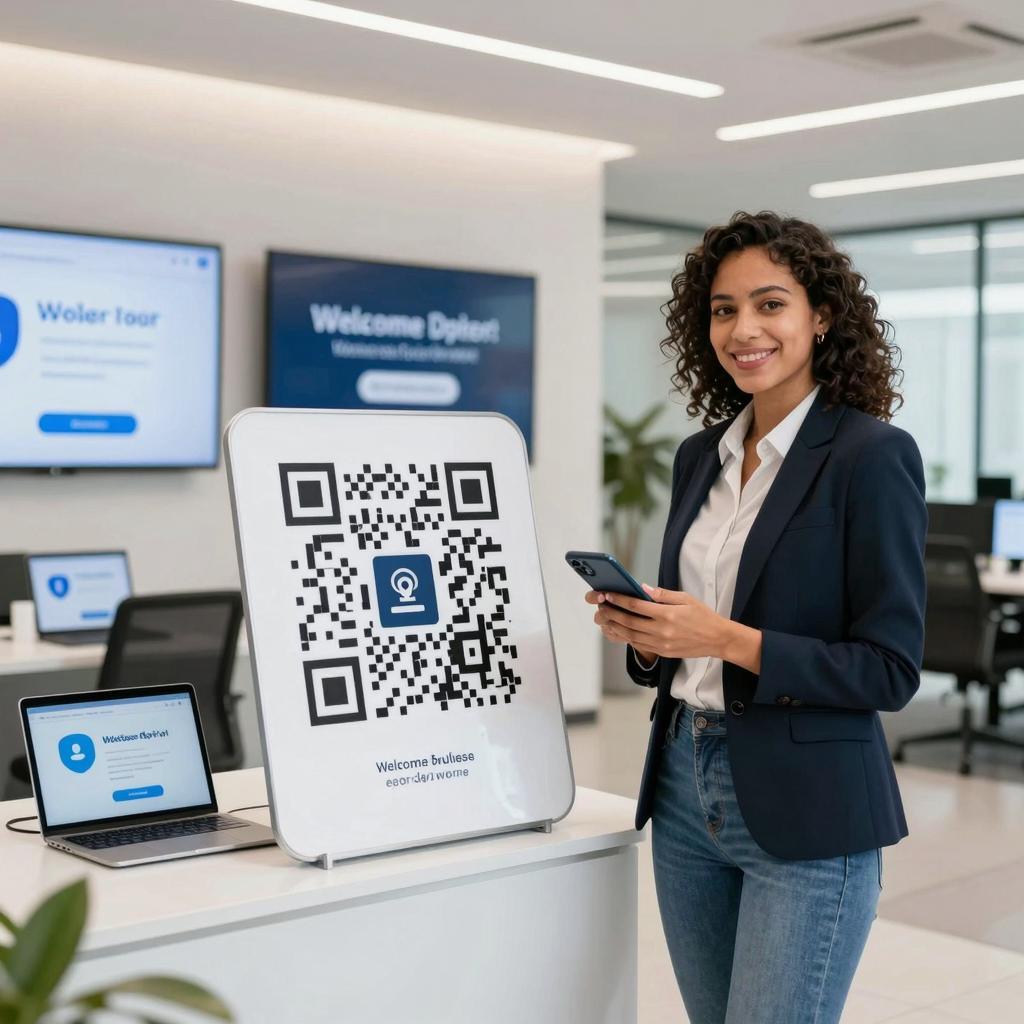
Welcome packets with QR codes can route new hires to day-one tasks, team intros, or a mobile learning path. Equipment and workstations can link to microlearning videos, SOPs, or competency checks. This reduces time-to-productivity and standardizes knowledge transfer; see research on QR codes in workplace learning and training for evidence of higher engagement and lower delivery costs when content is context-triggered.
Facilities, Safety, and Operations
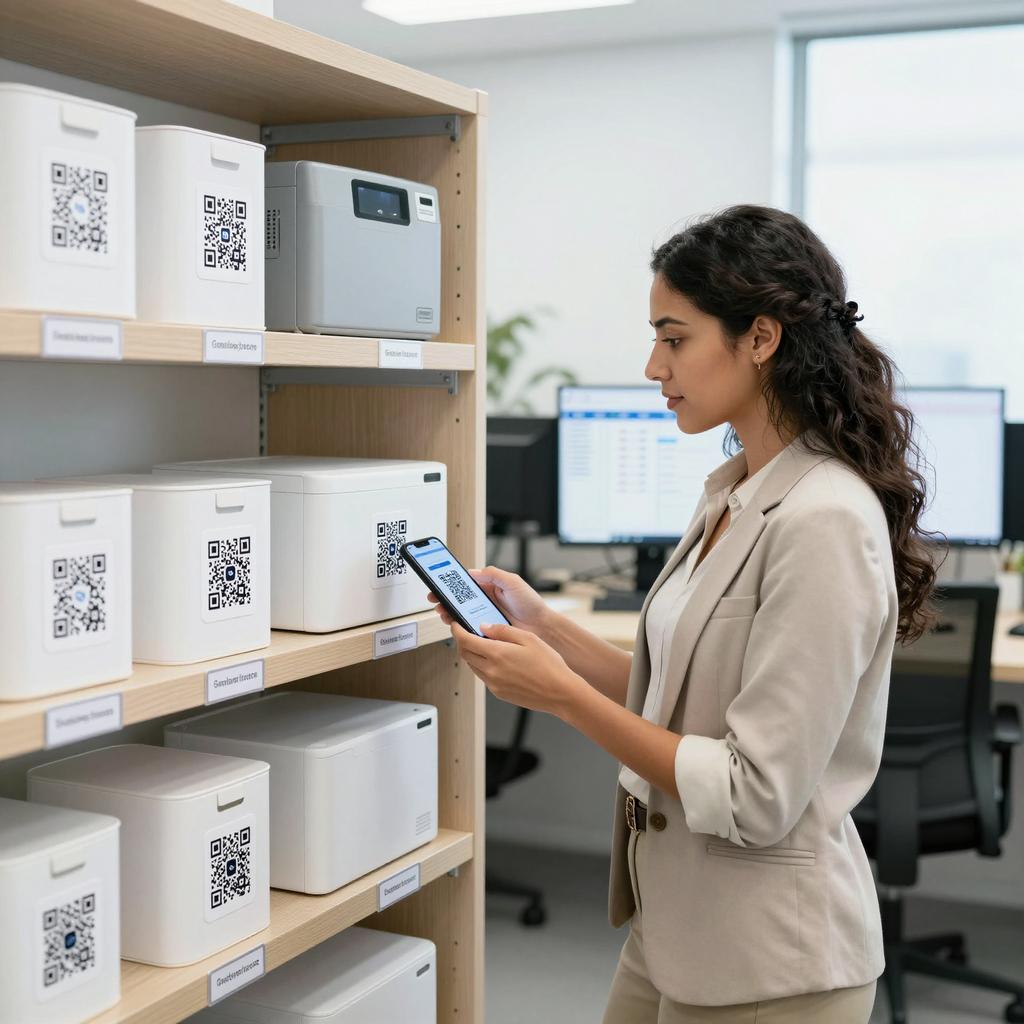
On-site QR codes can open live floor maps, wayfinding, hot-desk booking, or real-time occupancy dashboards. In EHS, labels on equipment link to hazard info, incident reporting, or lockout/tagout steps; maintenance tags can launch work orders with asset IDs prefilled. For manufacturing or logistics, shift handover forms and production checklists triggered by QR scanning reduce errors and create a clean audit trail.
Frontline and Hybrid Team Engagement
Not everyone lives in email or intranet portals. QR codes on break-room boards, delivery manifests, or ID badges help distribute time-sensitive updates—schedule changes, benefits windows, product FAQs—in seconds. For knowledge workers, QR codes in slide decks or room displays can capture feedback or pulse surveys instantly. Treated as digital transformation tools, they align QR codes in business with measurable outcomes: faster reach, higher completion rates, and better message recall.
Measure Impact and Get Started
Start small with one or two high-friction moments (e.g., reporting facilities issues or finding updated policies). Use dynamic links, clear call-to-action labels, and analytics to compare scan-to-action rates across locations. Establish governance (short URLs, brand-safe templates, expiration rules), design for accessibility, and provide alternatives for employees without smartphones. The takeaway: QR codes are a low-cost, high-velocity layer that upgrades internal communication—bringing the precision of modern marketing strategies to the employee experience—so your messages reach the right people, at the right time, with minimal effort.