Hospitality Marketing Ideas Using QR Codes
Why QR codes are essential in hospitality marketing today
From contactless to convenience—guest expectations have shifted
Guest journeys have become mobile-first, and QR codes in business turn every table tent, room key, and lobby poster into a digital touchpoint. Beyond pandemic-driven adoption, the enduring value is convenience: faster access to menus, amenities, upgrades, and local experiences—without app downloads. This shift aligns QR codes with modern marketing strategies because they streamline discovery and purchase while capturing intent in the moment; for context, see Nation’s Restaurant News’ analysis on how QR codes have ushered in a new era of hospitality (https://www.nrn.com/restaurant-technology/qr-codes-have-ushered-in-a-new-era-of-hospitality).
Data capture that powers lifetime value
When implemented thoughtfully, QR flows are powerful digital transformation tools: they attach UTMs to every placement, turn on-premise interest into first-party data (with consent), and connect to CRM/CDP for remarketing. For example, a QR by the pool can drive a cocktail special, attribute the session to that location, and enroll the guest in a post-stay offer sequence—measurable revenue from a once-anonymous touchpoint. For broader context, review this industry overview of QR codes in hospitality (https://www.hotelnewsresource.com/pdf20/HTL121120.pdf) to understand how smart routing and analytics make offline-to-online attribution possible.
Security, trust, and operational hygiene
Trust is a marketing asset. Use branded short links, custom domains, HTTPS, and visible signage that clearly states what the guest will get before scanning. Rotate codes dynamically (to avoid reprinting), whitelist destinations, and train staff to spot tampering. HospitalityTech offers practical guidance on leveraging QR codes safely in restaurants and hotels (https://hospitalitytech.com/how-restaurants-and-hospitality-businesses-can-best-leverage-qr-codes-safely), which helps protect brand equity while maintaining frictionless experiences.
Marketing ideas that drive revenue now
Menu journeys that upsell without pressure
Replace static PDFs with dynamic, mobile-first menus that personalize suggestions by time of day, language, and inventory. Pair featured items with high-margin add-ons (wine pairings, chef specials) and test placement to improve average check size. Link special menus to exclusive experiences—chef tables, late checkout breakfast, or rooftop tastings—and track uplift by QR placement. For strategic inspiration, see Hotel Management’s overview of the role of QR codes in elevating hospitality (https://www.hotelmanagement.net/operate/elevating-hospitality-2024-role-qr-codes).
Loyalty that starts at the table and continues post-stay
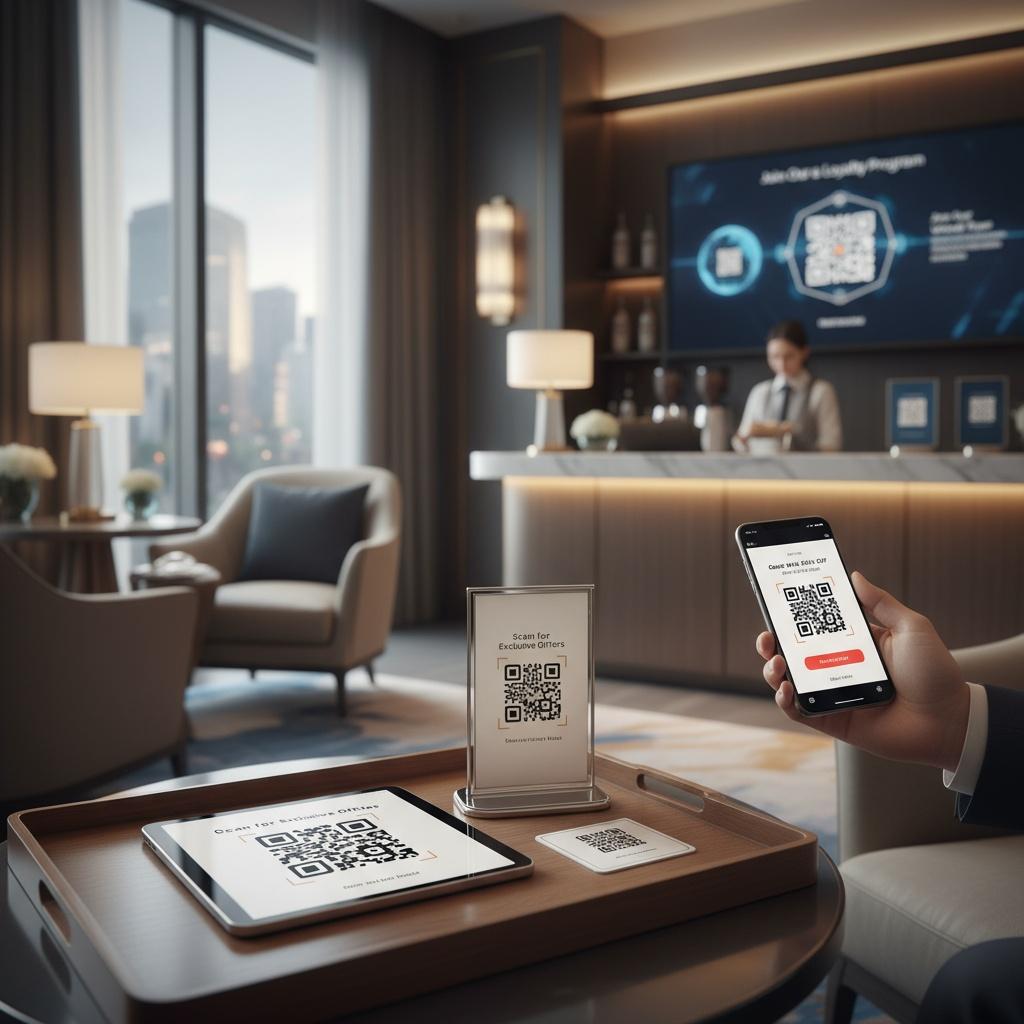
Place sign-up QR codes wherever intent peaks: on receipts, key sleeves, spa lockers, and pool cabanas. Offer instant value—a free appetizer, priority spa slots, or early check-in—in exchange for email/SMS permission. Use the scan to issue a wallet pass, then trigger a welcome series with segmented offers (business traveler weekday rates, family packages, locals’ dining events). This approach turns QR codes in business into a systematic pipeline for lifetime value, not just a convenience feature.
On-premise storytelling that multiplies reach
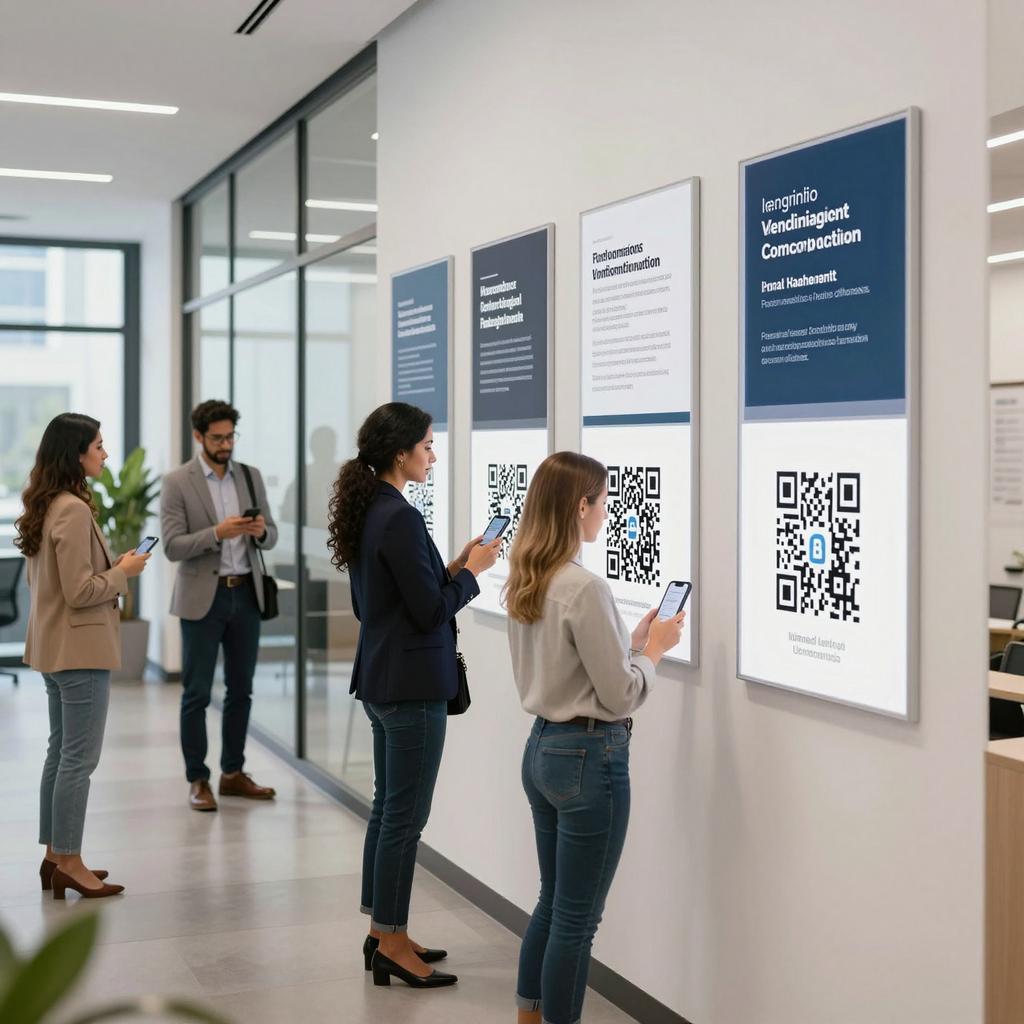
Create a content layer over the property: room QR codes that unlock the chef’s sourcing story, lobby codes that reveal art tours, and bar coasters that launch UGC prompts with branded hashtags. Encourage guests to share reviews and short videos in exchange for points or surprise-and-delight perks. Use unique, trackable codes per outlet to attribute social mentions and footfall. The result is a flywheel where guests discover, engage, and advocate—all from a scan.
Execution blueprint
Plan, pilot, and measure
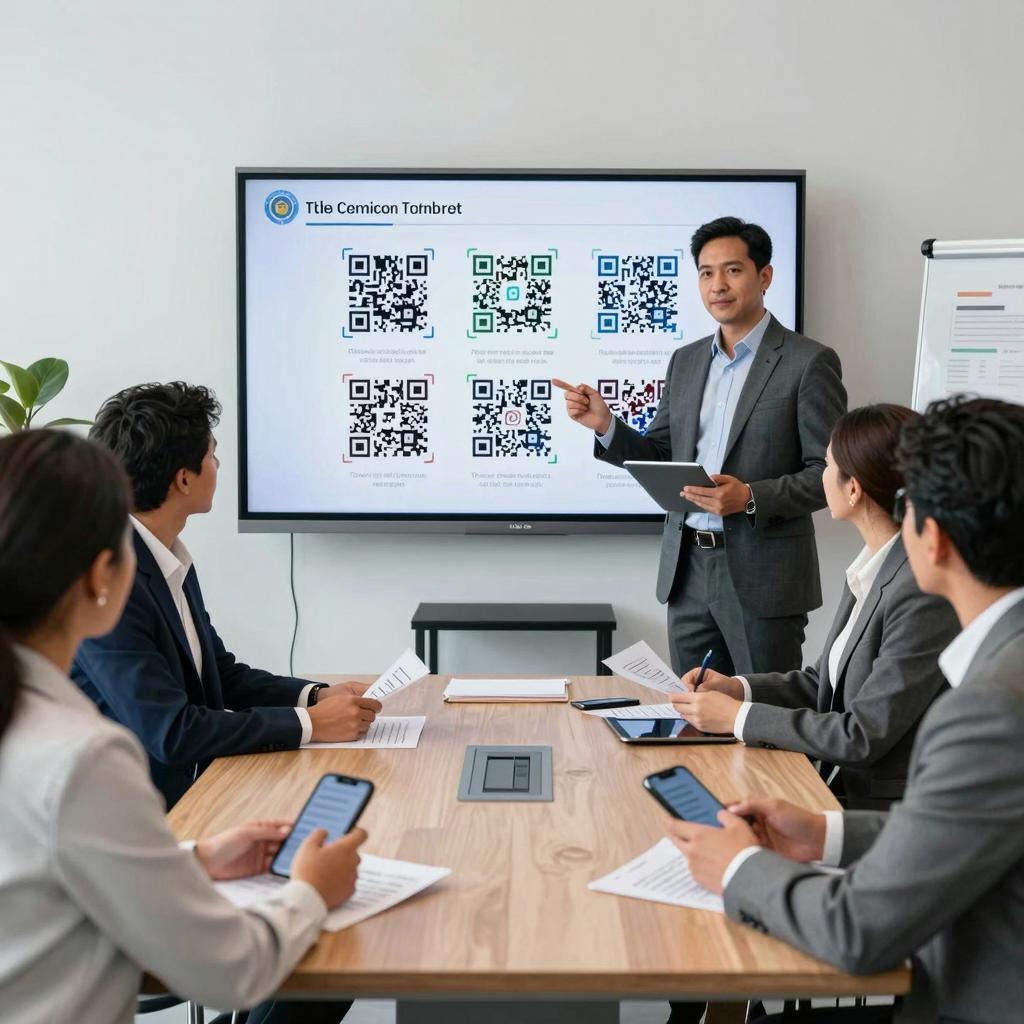
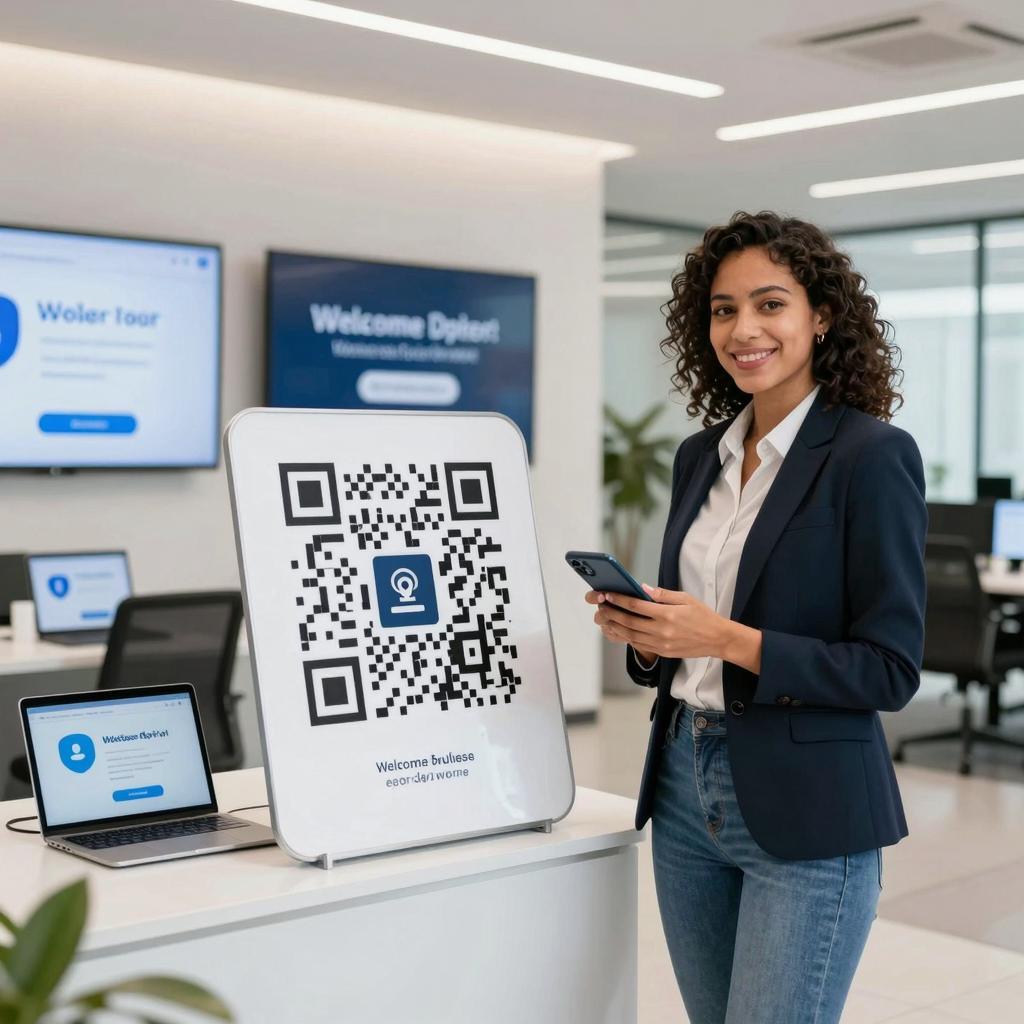
Start with a three-week pilot across 3–5 placements (e.g., breakfast menu, lobby welcome board, spa offer, concierge map, check-out receipt). Define a single KPI per placement (menu conversions, email sign-ups, add-on bookings), tag every QR with UTM parameters, and route scans to fast-loading, mobile-first pages. Use dynamic QR management for edits without reprints, and integrate analytics with your CRM/POS. Train staff to reference the QR at the moment of need, and A/B test language and creative weekly to compound small wins.
Conclusion
QR codes are the practical bridge between offline hospitality and measurable digital outcomes—an easy-to-deploy, high-leverage addition to modern marketing strategies. Treat them as digital transformation tools: design intent-specific journeys, capture consented data, and optimize relentlessly. Whether you’re a boutique hotel or a multi-unit restaurant group, a disciplined QR roadmap can lift revenue, loyalty, and guest satisfaction—one well-placed scan at a time. For a broader strategic lens, pair the ideas above with this industry-focused perspective on safe implementation (https://hospitalitytech.com/how-restaurants-and-hospitality-businesses-can-best-leverage-qr-codes-safely) and this sector-wide viewpoint on how QR codes are shaping hospitality experiences (https://www.nrn.com/restaurant-technology/qr-codes-have-ushered-in-a-new-era-of-hospitality).