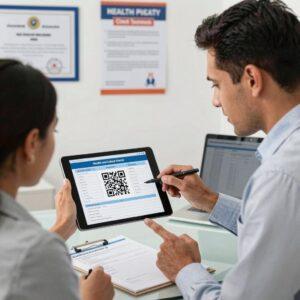
QR Codes for Room Service and Local Recommendations
Hotels are turning QR codes from pandemic stopgaps into durable digital transformation tools that streamline room service, personalize local recommendations, and power modern marketing strategies. As industry analyses like Hotel Management’s deep dive into QR codes in hospitality note, the technology now sits at the center of guest experience design—reducing friction, revealing demand trends, and unlocking new upsell opportunities that align with the realities of QR codes in business.
The QR-driven room service upgrade
Frictionless ordering and upsell mechanics
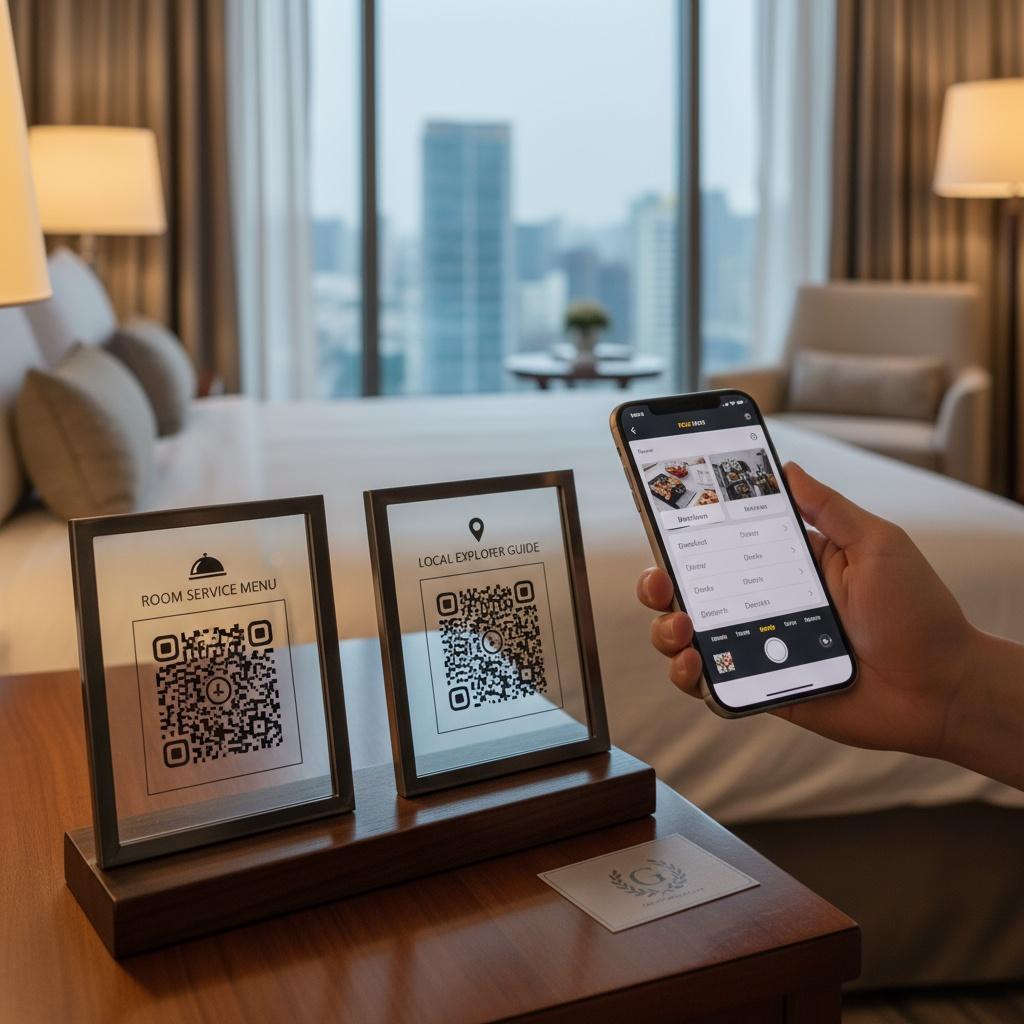
With a quick scan from the nightstand or TV welcome screen, guests can access dynamic, multilingual menus, view allergen details, and check live item availability—no phone queue, no misheard orders. Because QR flows are digital, they enable time-of-day merchandising (late-night bites, breakfast bundles), contextual cross-sells (add a dessert, wine pairing, or amenity), and personalized recommendations tied to profiles or stay context. That combination lifts average order value while trimming call-center loads and order errors—small operational wins that add up across a portfolio.
Turning QR codes into a digital concierge
Dynamic local recommendations that convert
QR codes extend beyond dining: they can launch curated, map-based micro-itineraries for families, business travelers, and wellness seekers, all dynamically tailored by day and weather. Hotels can spotlight partner restaurants, attractions, and events, tracking redemptions to demonstrate value for local merchants and negotiate better perks for guests. For practical playbooks on guest engagement, see Uniqode’s guide to QR codes in hospitality, which highlights ways to elevate on-property discovery, loyalty capture, and real-time feedback loops.
Integration blueprint for operators
The most effective deployments treat the QR as a smart entry point rather than a static link. Use a dynamic QR platform to route each scan through a campaign manager, pass UTM parameters to analytics, and connect to your PMS, POS, and CRM so orders, preferences, and consented data flow where they should. That architecture enables precise attribution—e.g., which floors, signage placements, or welcome messages convert—and supports iterative menu tests. An industry report on QR code adoption in hotels underscores these operational gains, from reduced printing costs to improved F&B throughput.
Governance, sustainability, and ROI
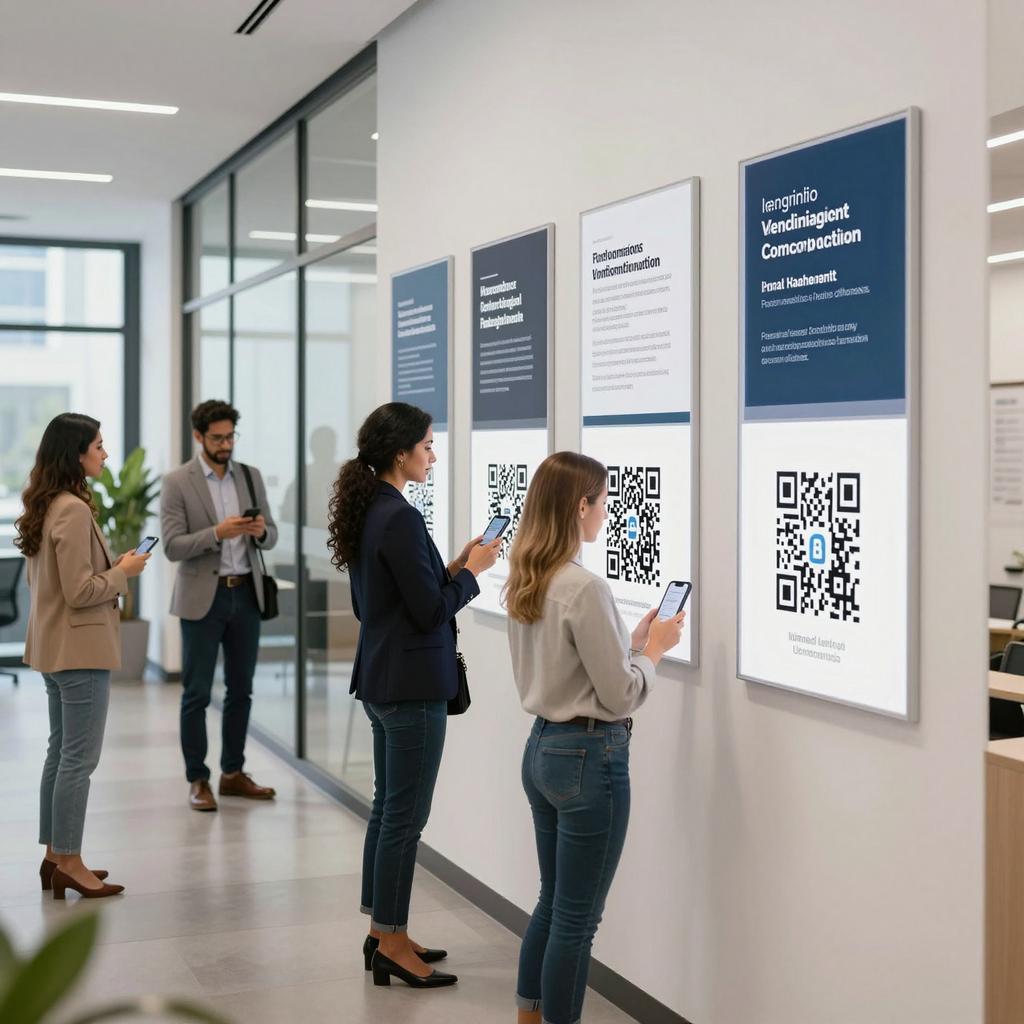
Experience design matters as much as tech. Place codes at natural decision points (desk, minibar, elevator landings), pair them with plain-language calls to action, and provide offline fallbacks (short URLs, in-room tablets). For accessibility, ensure readable contrast, ample size, and alternative access for guests with low vision; adopt clear language, multi-language support, and screen-reader-friendly pages. These basics lift adoption and prevent QR fatigue—crucial for sustaining momentum.
QR menus and digital concierge flows also contribute to ESG outcomes by reducing print waste and enabling instant updates without reprinting. Academic research, such as this study on sustainable QR code menus, links contactless menus to lower environmental impact and higher guest satisfaction when well-executed. That sustainability story resonates with corporate travel buyers and increasingly informs procurement decisions—another channel where QR-enabled guest experience can differentiate a brand.
Metrics that matter
Track the full funnel: scan-through rate by placement, landing-page engagement, add-to-cart rate, order completion, tip distribution, and average order value. For local recommendations, measure map taps, partner click-outs, redemptions, and guest satisfaction by segment. Tie performance to stay attributes (length of stay, purpose of travel) and test targeted offers accordingly. A/B test menu photography, copy, and bundle pricing; use time thresholds (e.g., 10 minutes of browsing with no action) to trigger gentle nudges. When your QR flows feed clean data back into CRM, marketing can segment with precision and attribute real ROI to these modern marketing strategies.
Bottom line: QR codes in business are no longer novelty tech—they are durable infrastructure for service, commerce, and storytelling. For room service, they compress the path from intent to order; for local recommendations, they transform static brochures into living guides that sell the destination and strengthen partnerships. Invest in a dynamic platform, design for accessibility, and measure relentlessly. Do that, and QR codes become a quiet powerhouse in your digital transformation toolkit—delivering happier guests, stronger margins, and a brand that feels current without feeling complicated.