The Future of Dining: Smart QR Menus and Loyalty Programs
Why QR Menus Became the New Default
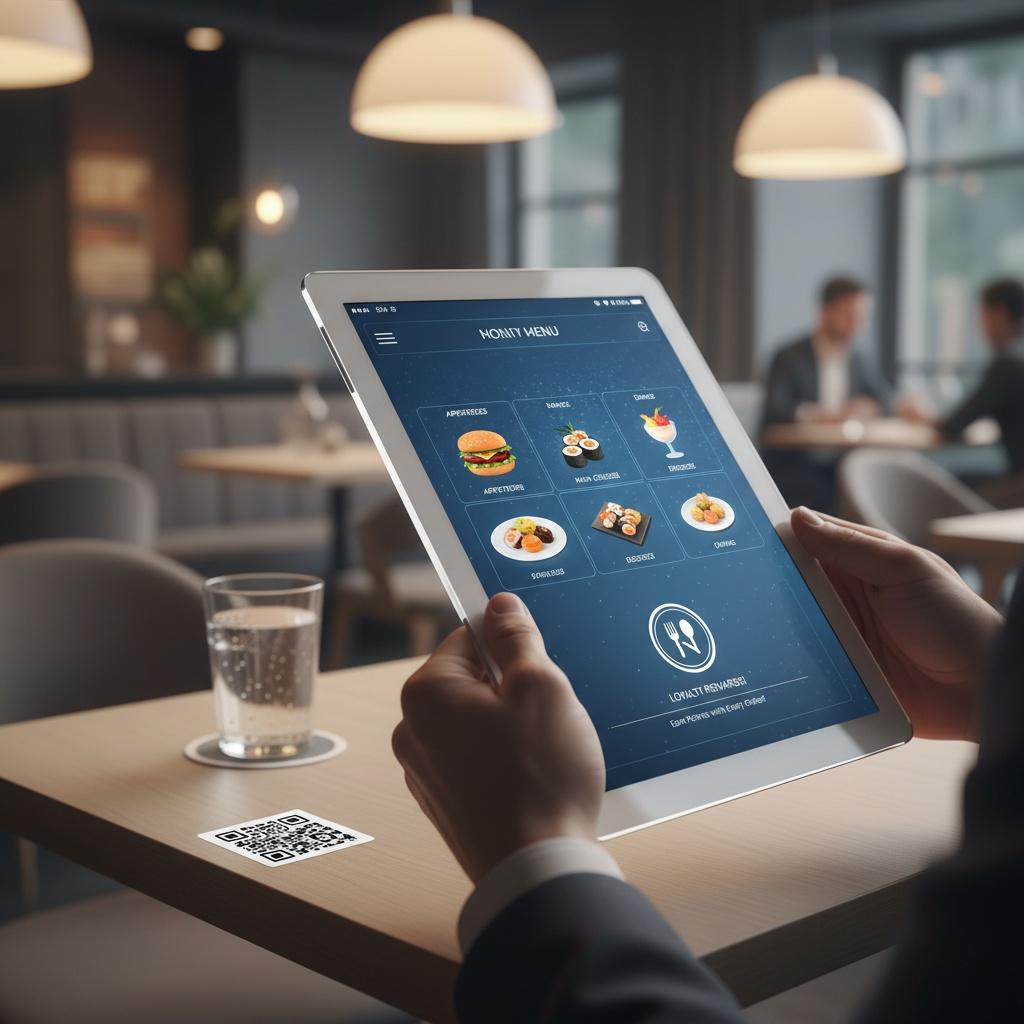
The modern dining experience is being rebuilt around smart QR menus and tightly integrated loyalty programs, transforming QR codes in business from a stopgap into a long-term growth engine. Beyond contactless convenience, operators now treat QR menus as digital transformation tools that reduce reprint costs, accelerate table turns, and open a direct channel to customer data. As industry coverage shows in how QR code menus have become an essential tool for restaurants, these digital menus are the front door to streamlined ordering, payments, and data-driven service.
From contactless to connected experiences
Smart QR menus do more than display dishes; they personalize the journey. Operators can rotate specials in real time, 86 items instantly, surface allergy-safe recommendations, and offer rich visuals or translations that increase confidence to order. Crucially, QR menus connect to POS and inventory, enabling precision upsells and cross-sells. Industry reporting on how smart menu QR codes meet evolving hospitality demands highlights how these experiences boost throughput while keeping teams focused on hospitality.
Security and trust by design
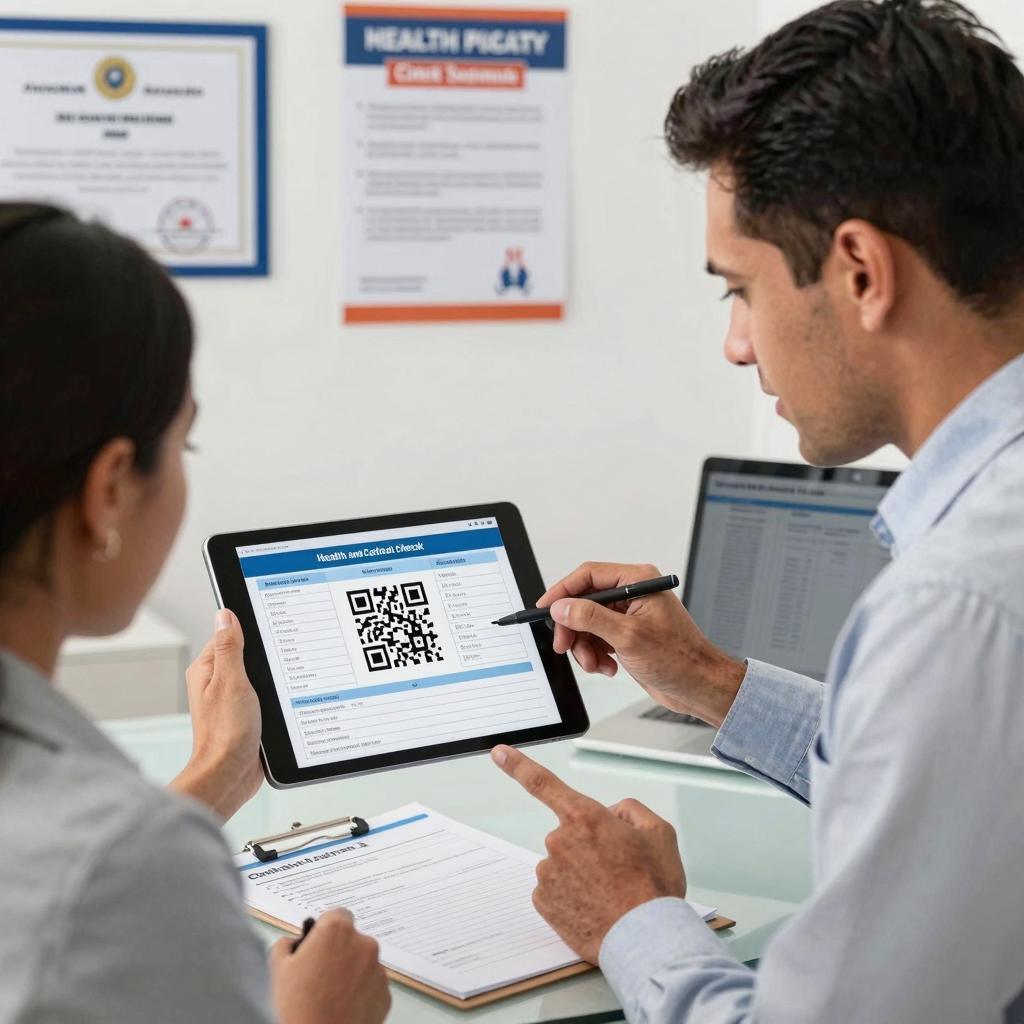
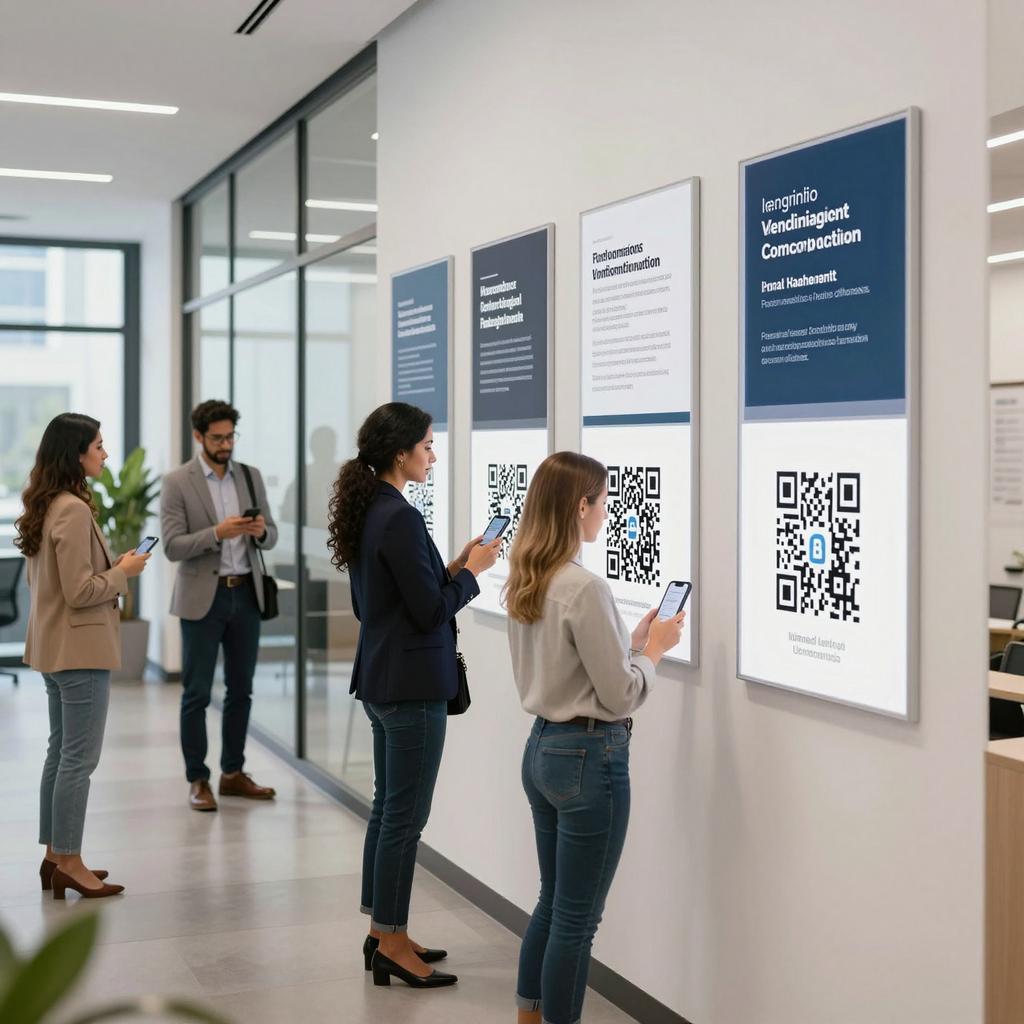
With QR codes everywhere, diners are more discerning about where scans lead. Restaurants need branded domains, HTTPS, and clear visual cues to prevent phishing confusion—plus accessible designs, readable font scales, and offline fallbacks. Short URLs should be controlled, not generic, and scans should route to context-aware pages (dine-in versus pickup) without collecting unnecessary data. Trust is a feature: when guests feel safe, engagement rises and campaigns perform better, making QR codes in business both effective and credible.
Loyalty Programs 2.0: Data, Rewards, and Retention
The most valuable payoff comes when QR menus and loyalty work as one system. Scans that tie to a phone number or wallet pass allow restaurants to build first-party profiles, attribute purchases to individuals, and deliver targeted offers without over-discounting. According to McKinsey’s restaurant revenue growth techniques, operators that use data to refine assortments and personalize promotions outperform peers—precisely what a QR-first, loyalty-aware stack enables.
Personalization that diners actually value
Effective programs blend utility with delight: free upgrades for frequent buyers, early access to limited items, or spend-based tiers that make status meaningful. When paired with contextual prompts at the table—like recommended sides or a loyalty-only dessert—these modern marketing strategies raise average check without feeling pushy. Coverage of tech innovation on the menu underscores how integrated ordering, payments, and rewards turn one-time guests into repeat regulars.
Making it pay off for operators
Profitability depends on disciplined design: set goals (attach rate, revisit frequency, and revenue per cover), cap discounts with contribution margins in mind, and use A/B tests to tune offers by segment. Track lifetime value to acquisition cost by channel; push first-party sign-ups rather than renting audience from delivery marketplaces. With smart QR menus as the entry point, loyalty can lift check size by tailoring add-ons, reduce churn with timely reactivation offers, and free teams from manual promo management.
Implementation Playbook for Operators
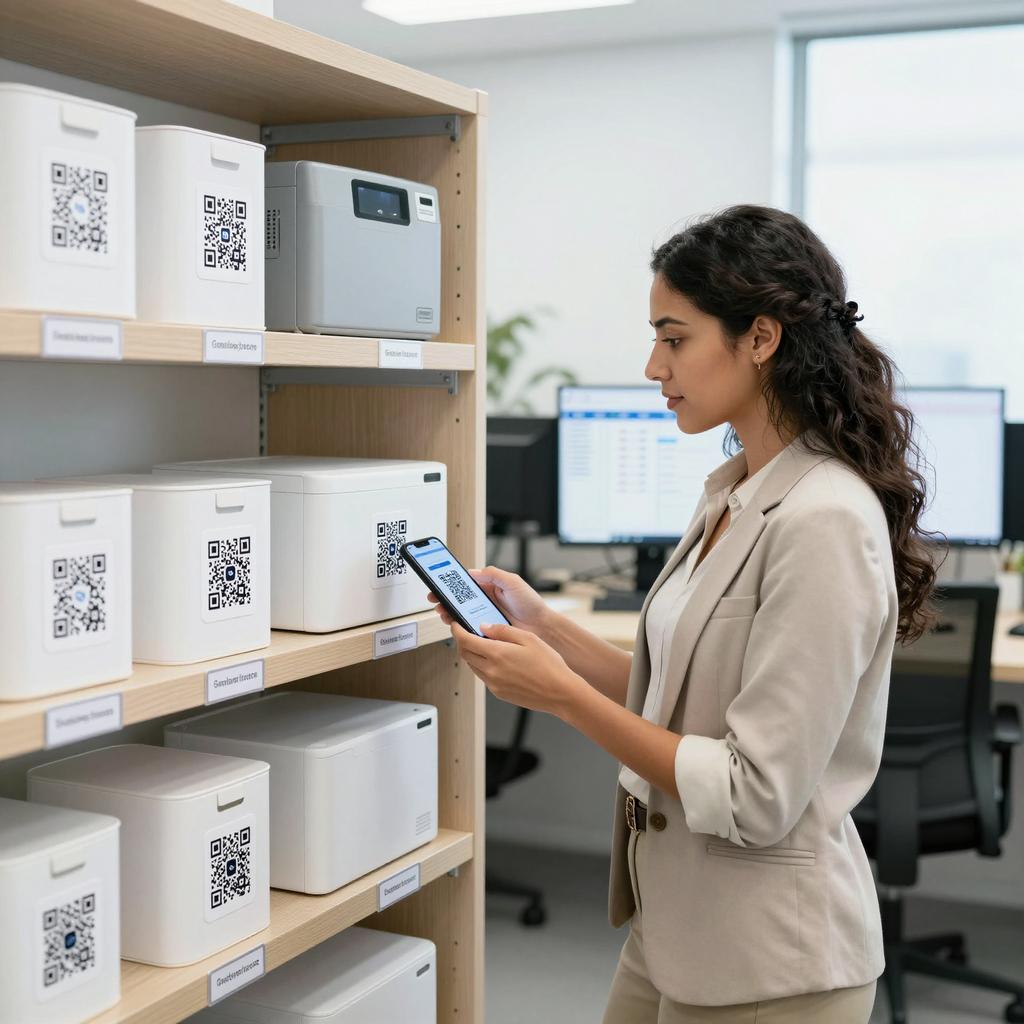
Start with a secure, brandable QR platform tied to your POS, payments, and loyalty system. Define data contracts (what’s captured and why), enable consent-based profiles, and deploy digital transformation tools like real-time menu CMS, inventory-aware upsells, and automated win-back journeys. Train staff to explain benefits in a sentence, use signage that clarifies scan outcomes, ensure ADA compliance, and maintain a printable fallback. Finally, run weekly experiments: test offer placement, image variations, and checkout flows to compound small wins.
The takeaway
When restaurants fuse smart QR menus with thoughtful loyalty design, they create a flywheel of convenience, personalization, and retention. The strategy is simple: earn trust, collect only the data you need, and return immediate value through relevant rewards. Operators that treat QR menus as a dynamic storefront—and loyalty as the engine of modern marketing strategies—will convert casual diners into loyal advocates while improving margins and resilience in a fast-changing market.