NFC + QR Hybrid Systems: The Best of Both Worlds
There is a simple truth behind the most effective connected packaging and phygital journeys today: consumers want choice and brands need resilience. Combining NFC and QR delivers both. A hybrid system lets customers tap or scan, meeting them where they are while giving businesses stronger attribution, better coverage, and a futureproof layer for digital transformation tools and modern marketing strategies.
Why a hybrid approach beats either alone
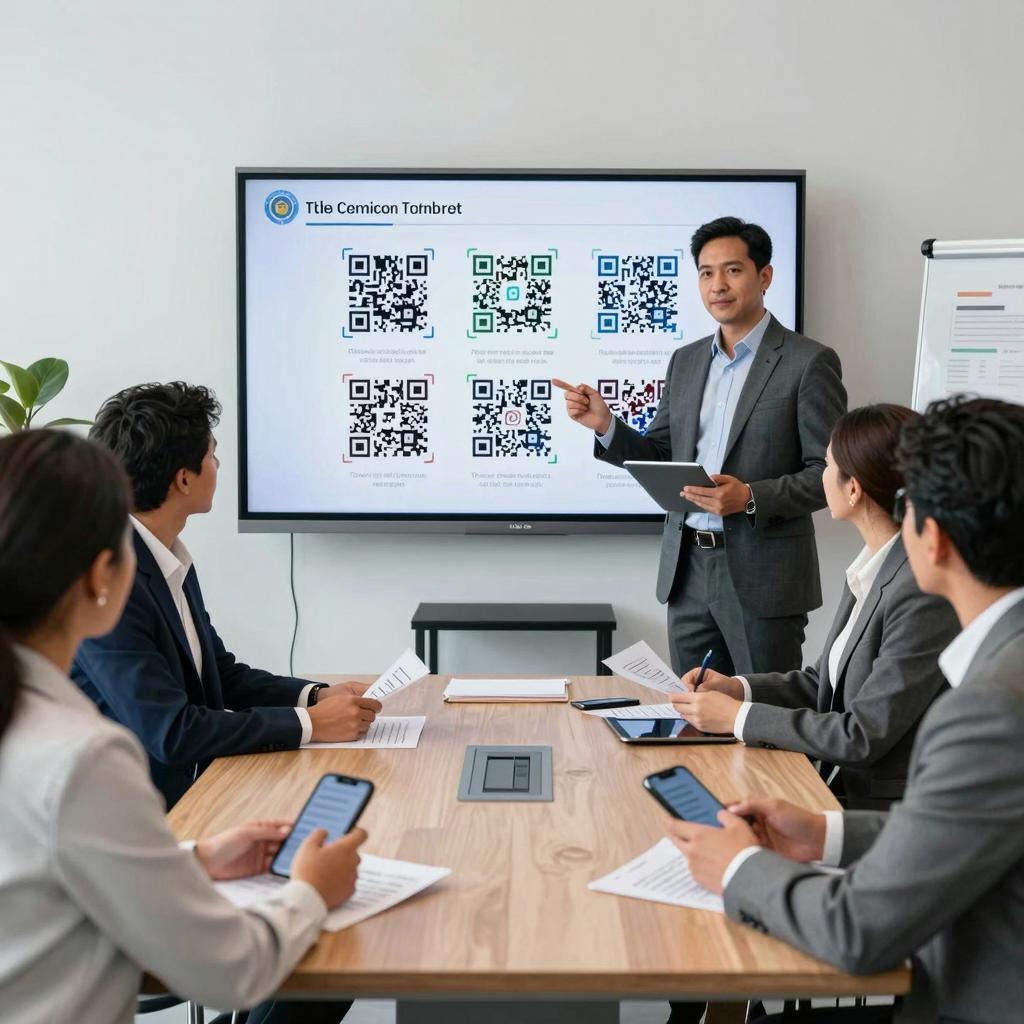
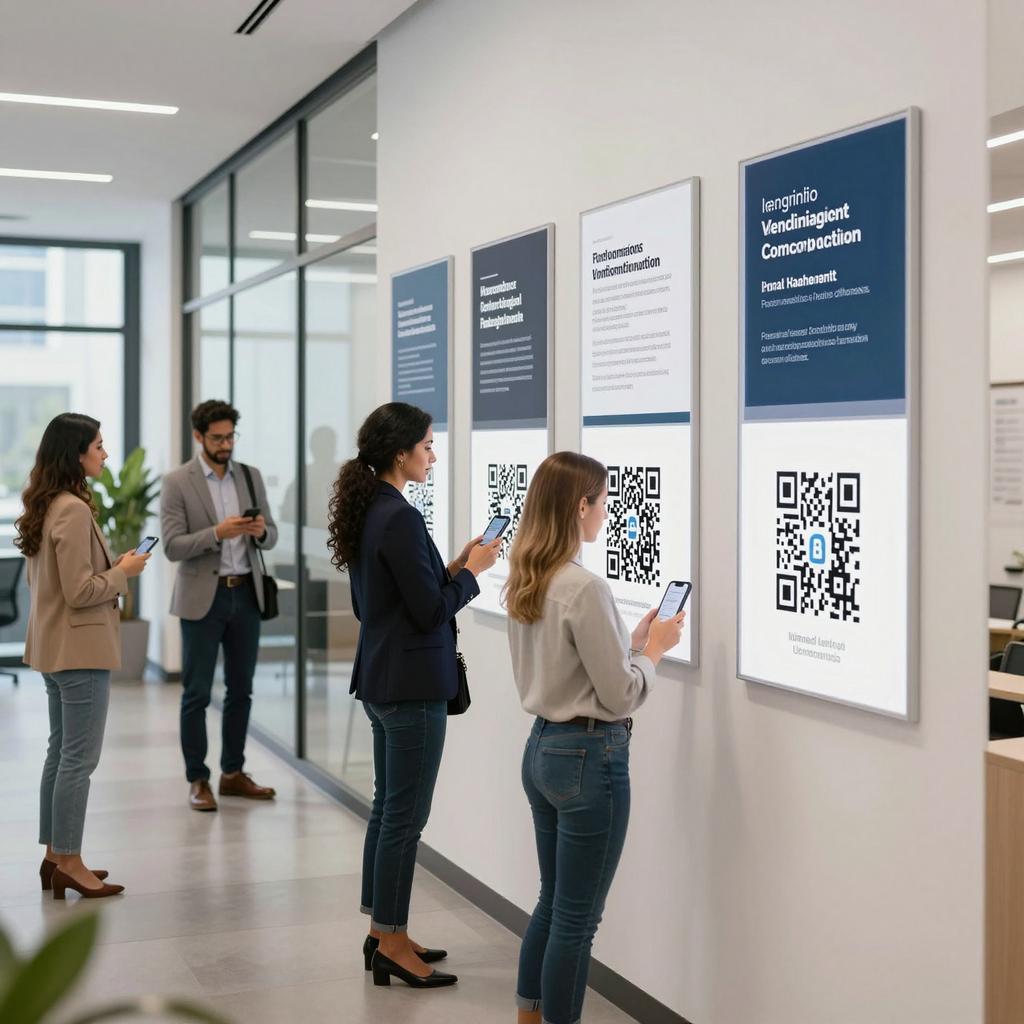
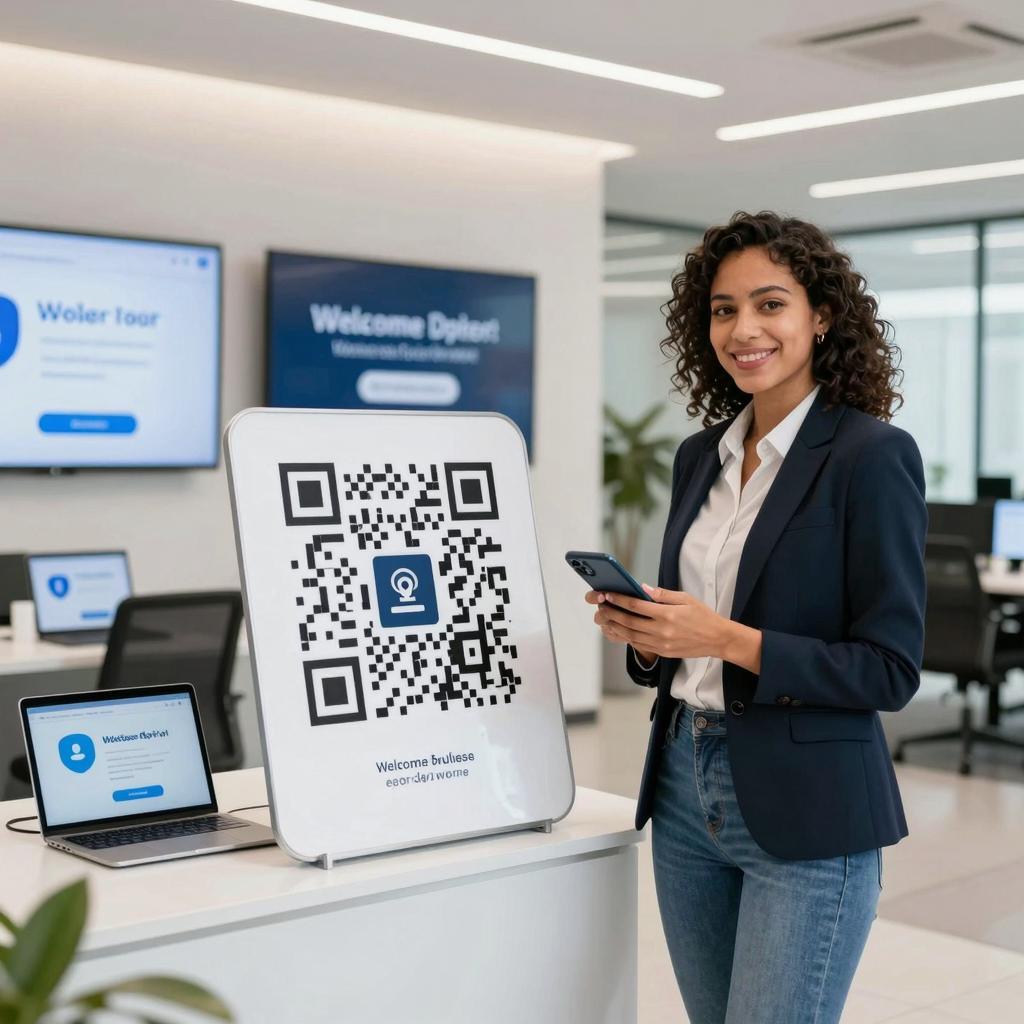
QR codes in business are ubiquitous because they are low cost and camera friendly, while NFC excels at premium, frictionless tap experiences. Together they close each other’s gaps: QR works at distance and with any camera, NFC works without framing or lighting and can trigger deeper app intents. The result is higher engagement, broader device compatibility, and continuity across retail, packaging, events, and service workflows.
What QR codes bring to the table
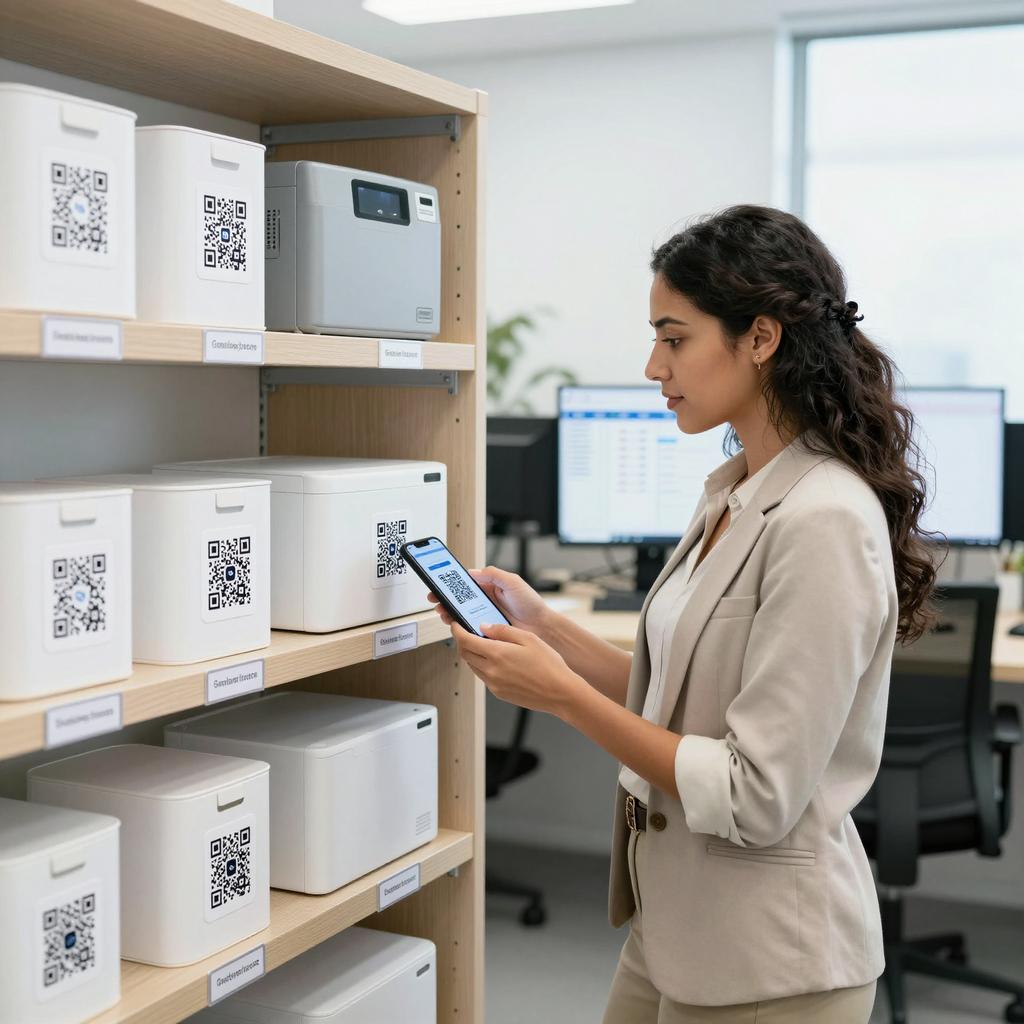
QR delivers instant scalability: print anywhere, from cartons to receipts to signage. It supports long or web-resolvable IDs, robust error correction, and trackable parameters for campaign analytics. For product identity, QR also aligns with globally recognized identifiers, enabling interoperable journeys that route buyers to localized content, support pages, and commerce paths without app dependencies or special hardware.
What NFC adds for premium journeys
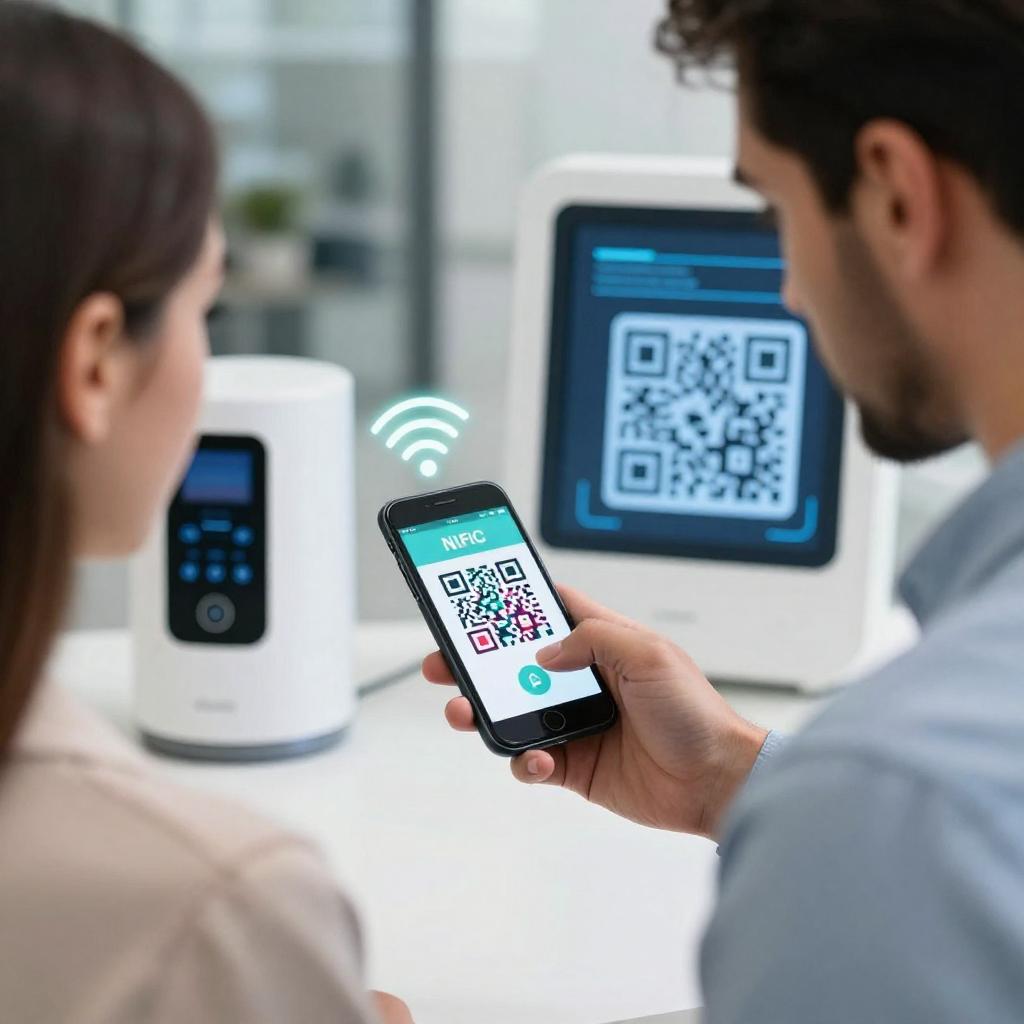
NFC makes the first touch effortless. A single tap can open an app, launch a deep link, or verify authenticity without camera friction. With standardized NDEF records, NFC tags can carry structured data, enable write-once personalization at the point of packaging, and support secure elements on advanced chipsets. For high-traffic venues and retail displays, tap-first flows reduce queue friction and lift completion rates for mobile wallets, loyalty, and service enrollment.
A practical architecture for NFC + QR
Design the label as a dual-resolver: the printed QR and the NFC tag both resolve to the same canonical URL pattern. The backend detects context (tap versus scan, device family, location, campaign parameters) and adapts the journey: web fallback for new users, app deep link for known customers, or a lightweight sign-in path. Centralized analytics attribute engagement by mechanism, creative, placement, and SKU, while consented profiles and clean rooms maintain privacy and channel integrity.
The standards that make it interoperable
Interoperability is the difference between a clever demo and a scalable program. NDEF defines how NFC payloads are structured, documented in the NFC Forum NDEF Technical Specification. For web-resolvable product identifiers, the GS1 Digital Link URI syntax ensures that QR or NFC tap can point to consistent, standards-based URLs across brands and regions. If you are planning multi-vendor hardware or packaging, the NFC Forum specifications library is a reliable foundation for device and tag compatibility.
Implementation checklist for teams
Start with a unified ID model and resolver, then encode both QR and NFC to the same canonical path. Choose NFC chipsets that match your risk profile and write-lock policy, define deep link behavior for iOS and Android, and pre-plan fallback for offline or app-not-installed states. Instrument UTMs and tap-versus-scan flags, align events to your data layer, and create creative variants to A/B test placement, size, and call to action. Finally, train operations teams on encoding, QA, and secure handling of tag keys where applicable.
Conclusion: tap when you can, scan when you must
NFC + QR hybrid systems turn physical moments into measurable, brand-positive outcomes. By offering a tap for speed and a scan for ubiquity, you maximize accessibility, futureproof campaigns against device changes, and give marketing and product teams a richer canvas for experimentation. For organizations pursuing digital transformation tools and modern marketing strategies, hybrid is not redundancy; it is resilience. Start with a small pilot across two or three touchpoints, tune the resolver logic, and scale what your customers choose most.